
The shoestring by-election: it cost just £35.68 to get elected and came in significantly under budget
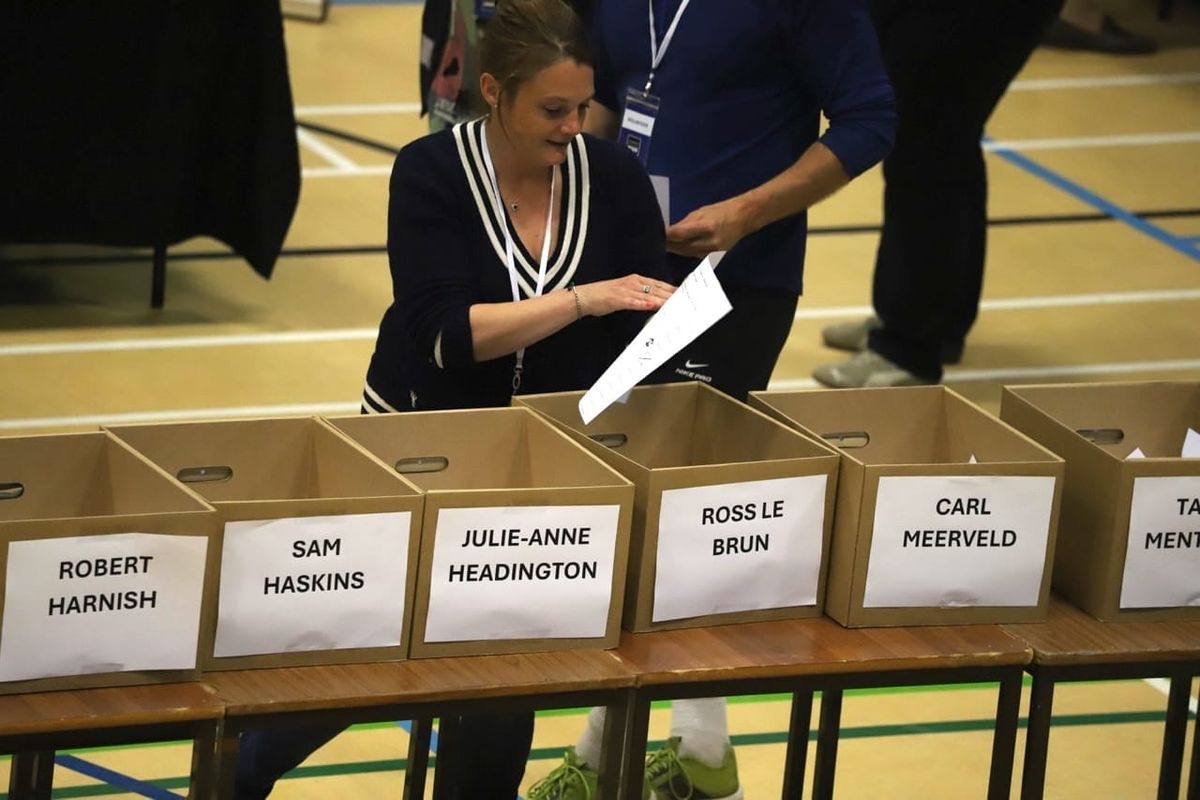
- Ross Le Brun won the 2026 Guernsey by-election spending just £35.68, the lowest among candidates
- The by-election cost £50,950.79 to run, well under the approved £75,000 budget and far below initial £200,000 estimates
- Julie-Anne Headington was the biggest spender at £2,488.48 but finished third with 634 votes compared to Le Brun's 953
- Turnout was just 17.3% with 4,643 ballots cast, a stark contrast to the 72% turnout in the June 2025 General Election
- The data reinforces a trend from the 2025 General Election showing high spending doesn't guarantee electoral success in Guernsey
Ahead of the 2026 by-election there was plenty of focus on costs and value.
This was partly fueled by political speculation beforehand that it would cost up to £200,000 to hold.
Eventually, the States Assembly and Constitution Committee proposed and got agreement for a £75,000 budget and has now confirmed it actually cost £50,950.79.
The by-election was won by Ross Le Brun, who has declared spending just £35.68 on his campaign, all on advertising.
The biggest spending candidate in the declarations that have been made so far was Forward Guernsey candidate Julie-Anne Headington.
She spent a total of £2,488.48 on her campaign, which included a £648.11 transfer to the party for its by-election spending.
She finished in third place with 634 votes to Deputy Le Brun’s 953.
Runner-up Carl Meerveld is yet to submit his campaign expenditure.
Candidates were able to spend up to £3,000.
Luke Graham who was 10th with 88 votes, has submitted a declaration for £0.
The spending data, although limited because of the nature of the race, shows some similarity with the data from the 2025 General Election, where our analysis showed you did not have to spend big to get elected.
 Nick Mann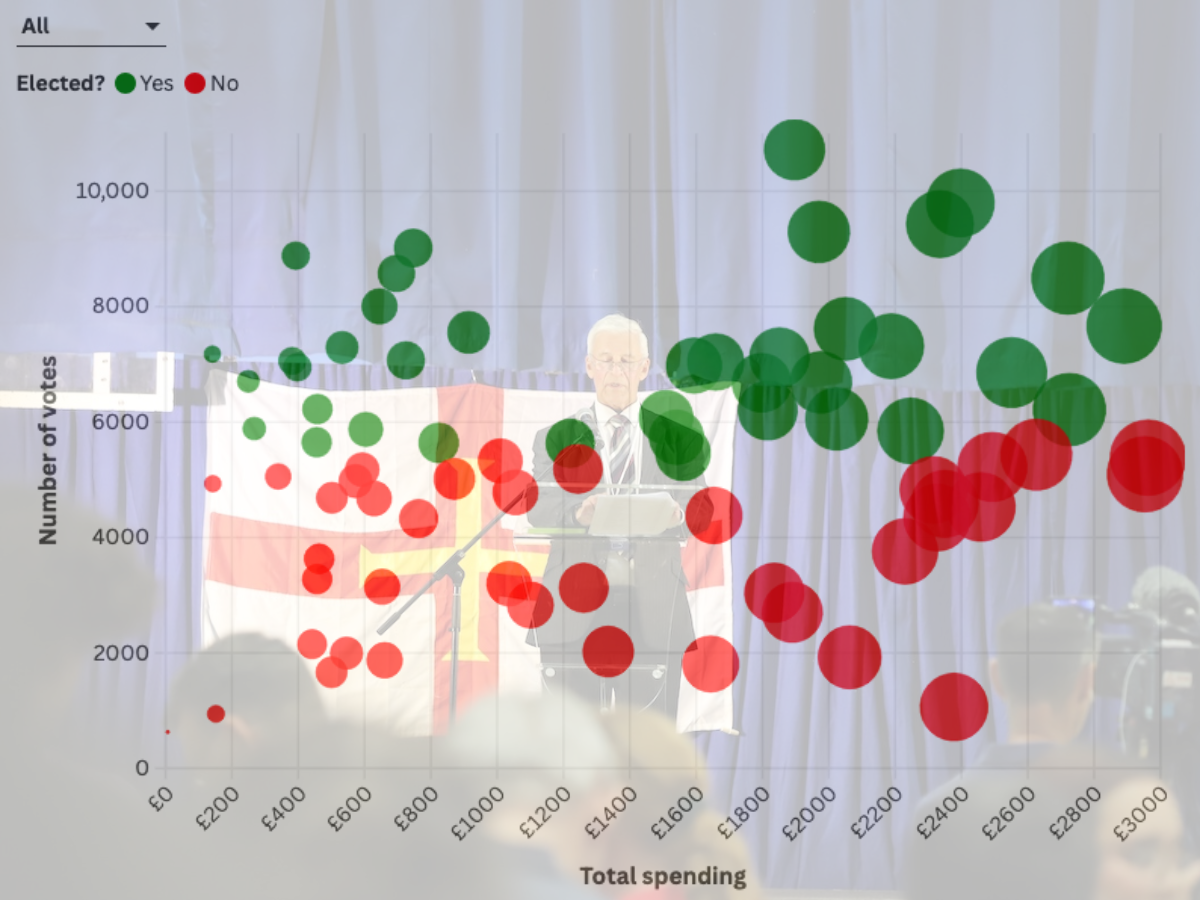
For instance, Deputy Andy Cameron polled in 15th place having spent £141 on his campaign and newcomer Lee Van Katwyk £381.60 to come in 18th.
In contrast, David Nussbaumer failed to get in after spending £2,962.09.
There were 4,643 ballots cast with 110 spoilt and six blank in the by-election, so turnout was just 17.3%.
In comparison, the General Election in June 2025 saw 19,686 ballots cast, which was a 72% turnout.
Election cost breakdown
Staffing £6,154.78 Electoral Roll (system support, electronic roll) £5,564 Postal voting (provision of postal voting and postage) £15,593.82 Polling stations (venue hire, ballot papers) £13,486.69 Count (secure transport and storage) £1,821.50 Advertising/campaign/events (promotion, website) £8,330 Miscellaneous £0
Total £50,950.79
Q&A
Q: How much did winning candidate Ross Le Brun spend on his campaign?
A: Ross Le Brun spent just £35.68 on his campaign, all on advertising, making it one of the lowest-spending winning campaigns in the recent electoral history.
Q: What was the actual cost of running the by-election compared to the budget?
A: The by-election cost £50,950.79 to run, which was well under the approved budget of £75,000 and significantly lower than initial estimates of up to £200,000.
Q: How did voter turnout in the by-election compare to the 2025 General Election?
A: The by-election had a turnout of just 17.3% with 4,643 ballots cast, compared to the June 2025 General Election which saw 72% turnout with 19,686 ballots cast.
Comments ()