
WATCH: We cannot afford to look away from the damage being done to children by the digital world, expert argues
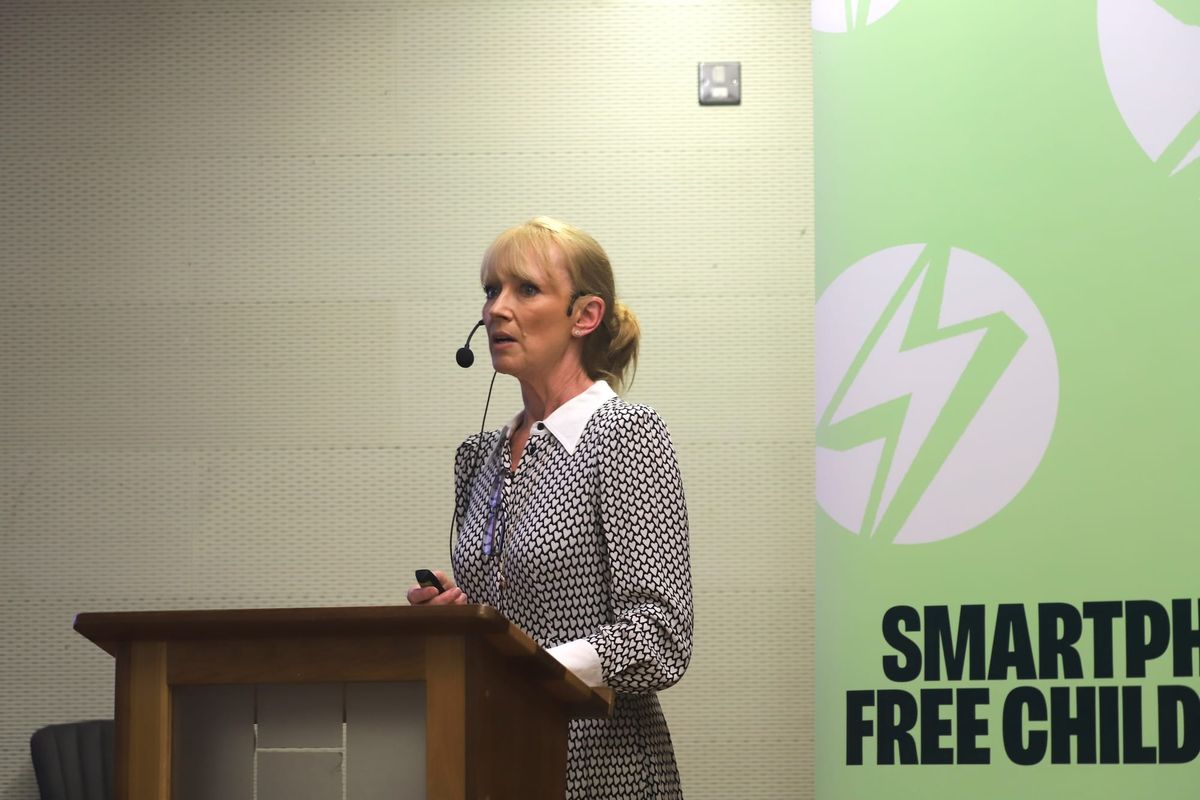
- Data protection expert Emma Martins warns that harmful online content actively targets children based on their profiles, with boys shown violent sexual content and girls exposed to material on dieting and self-harm.
- Martins highlights widespread problems including children's declining mental health, addiction to social media, AI-generated inappropriate content, and the use of children's voices and images without consent.
- Current approaches are fragmented, with broken messaging, legislation, business models and politics around digital safety, though no single solution will fix everything.
- Tech companies have shifted responsibility onto parents while designing products with algorithms—93% of Instagram content now comes from sources other than family and friends.
- The expert calls for collective action from government, media, parents and citizens to prioritize child safety, comparing it to aviation where safety is built into design rather than added as an afterthought.
Some of the most horrific content online does not need to be found by children, it is finding them.
Set up a profile as a boy and you are almost instantly shown violent sexual content. A girl will be shown material on diet and image, and graphic self-harm,
That has been shown by journalists and researchers setting up fake profiles, it is also the experience of Emma Martins, a data protection and ethics expert, who was talking about some of the stark dangers of the digital world at Unplugged, an event organised by Smartphone Free Childhood Guernsey.
That group is lobbying for a smartphone free, brickphone only environment in all Guernsey secondary schools up to Year 12.
“We know the voices of children are being taken and used," said Martins.
"We know that images of children are being taken and used. We know that children are reading less. We know they're less ready to start school.
“We know that they are turning to chat bots for friendship and advice. We know that their mental health is getting worse.
“We know that violence against teachers is increasing. We know that AI-generated, sexualized, and violent content is rampant and growing.
“We know that children are addicted to social media.
“We know that misogyny is rife. We know that racism is rife.
“We know that boys and men are weaponizing phones to take non-consensual photos and videos of women and girls.
“I could go on, and I could be here for quite some hours. And please do not think this is something we and our children are protected from, because we live on a lovely island, there are no borders for this stuff, and because of that, we cannot afford to look away, even if it's difficult.”
Something currently was broken with the messaging, legislation, business model and politics around the digital world, she said.
“I agree that banning children from social media is not going to solve the whole problem. I agree that banning phones from classrooms is not going to solve the whole problem. I agree that online safety legislation is not going to solve the whole problem, but we do not reject laws on murder, on theft, on drink driving, because they do not solve the whole problem.
“We have a problem, and goodness, I wish there was one thing, one single thing we could do to fix it easily.”
Laws can send a powerful message, but others things matter just as much. Children do not have the luxury of time, she said.
“If we can get those things aligned, our values, our expectations, our voices, our decisions, our laws. That's where the magic can be.”
Her hope here was that public pressure became so great that it was irresistible.
It was not a moral epiphany that changed X’s policy on nudification using its chatbot Grok, it was not a law or a fine, but it was the backlash by civil society, she said.
“If you think the issues are not relevant for this community and the children in it, you are wrong, but if you think there is nothing that you can do, you are also wrong.
“Just because we cannot fix the entire problem does not mean that we do not do everything within our own area of influence to do something.”
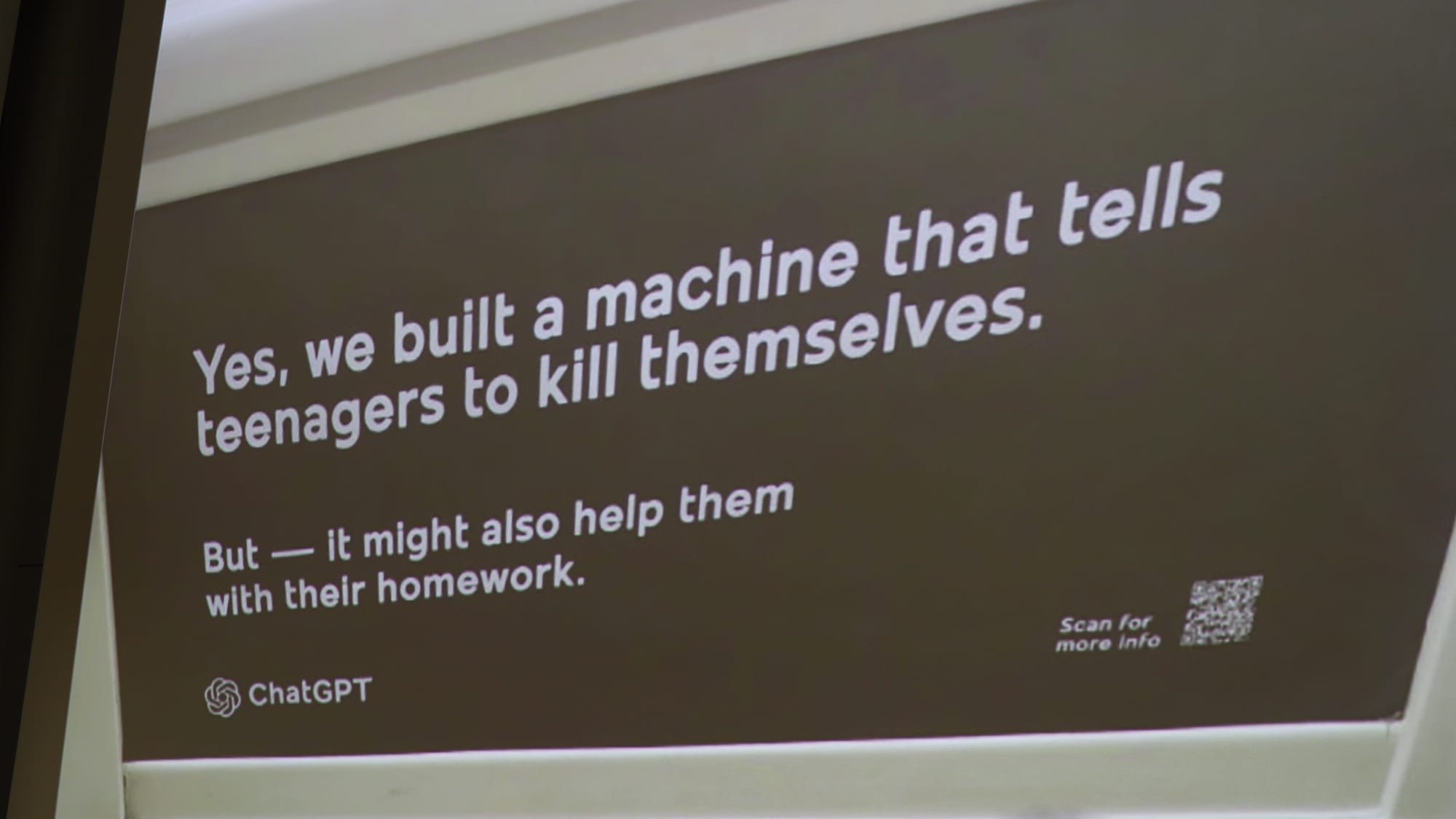
Sometimes it was a world largely hidden from the adult gaze.
A parent of a 13 year old who died when a Tik-Tok challenge went wrong said that until his death she had no idea that type of content was out there.
Finding out about it as a parent can be uncomfortable.
“Be prepared for that, but know that ignorance is much, much worse. I know that AI is adding a whole new dimension to this.
“The content that we and our children are absolutely immersed in is being created and delivered almost entirely by algorithms. Algorithmically driven consumption of information now makes up a huge percentage of content viewed. What percentage of Instagram content do you think is viewed from family and friends? It's only 7%. The very least we can do as parents, and must do, is be aware of that.”
It suited tech companies to make parents think the responsibility was all on them, but it was lazy and cruel, she said.
“If you are in government, or if you are a policy maker, what you do matters.
“Use your platform to understand what is going on. We have a social contract with you, our government with those we elect, that involves needing you to step in when we are not powerful enough to protect ourselves, and we are absolutely not powerful enough here, but we need honesty about the nature of the challenge, over promising about what legislation will deliver is at best unhelpful.”
There was a role for the media in being a source of good information.
“Real journalism has never been so important, and as citizens, we need to play our part too in supporting that journalism and the people doing it.”
Being a member of Smartphone Free Childhood Guernsey also mattered, she said.
“The children of today are going to be our police men and women, our doctors, our politicians, our leaders. What sort of people do you want them to become? What sort of world do we want for them and for ourselves?”
She later added: “Of course, we are small players in a very big game, but sometimes it's okay to accept that the only thing we can do is not stay silent, and being clear about where we stand and focused on our path really matters.”
It was not an issue about tech.
“It's about how we want to live our values, what we want for our lives, and the tech should be given the task of building, supporting, and enabling those things.” With air travel, we build what we have decided we want, and we know why we want it, and we build it to be safe.
“Safety is baked into the process. There is only a route to market when it is safe.
“At the minute, with tech, we pretty much have the opposite. The tech is built because it can be.”
It was time to push back against build fast and break things, the famous internal motto used by Facebook until 2014, she said.
“It's time for us to slow down and fix things, not least because the things being broken are us and our children.
“I would encourage a narrative and public discourse where we talk as much about what we want as about what we don't want, otherwise this whole thing becomes about bans, fines, enforcement.
“Let's also make it about happy childhoods, positive relationships, human connection, play, reading, care, compassion. Let's be clear about what we stand for, as much as what we stand against. None of us can change the world on our own, but we can absolutely be part of a movement that does.”
Q&A
Q: What happens when fake profiles are created for children online?
A: Journalists and researchers have found that fake profiles set up as boys are almost instantly shown violent sexual content, while profiles appearing as girls are shown material on diet, body image, and graphic self-harm.
Q: What percentage of Instagram content comes from family and friends?
A: Only 7% of Instagram content viewed comes from family and friends, with the remaining 93% being algorithmically driven content from other sources.
Q: What caused X (formerly Twitter) to change its policy on its Grok chatbot's nudification feature?
A: According to Emma Martins, it wasn't a moral epiphany, law, or fine that changed the policy, but rather backlash from civil society and public pressure.


Comments ()