
Updated hospital passport launched to improve care for anyone with a learning disability or autism
- Health & Social Care has launched an updated Hospital Passport to improve care for autistic people and those with learning disabilities in Guernsey
- The passport shares vital information about communication needs, health requirements, and personal preferences with hospital staff
- Developed by a working group including people with lived experience, family carers, and health professionals
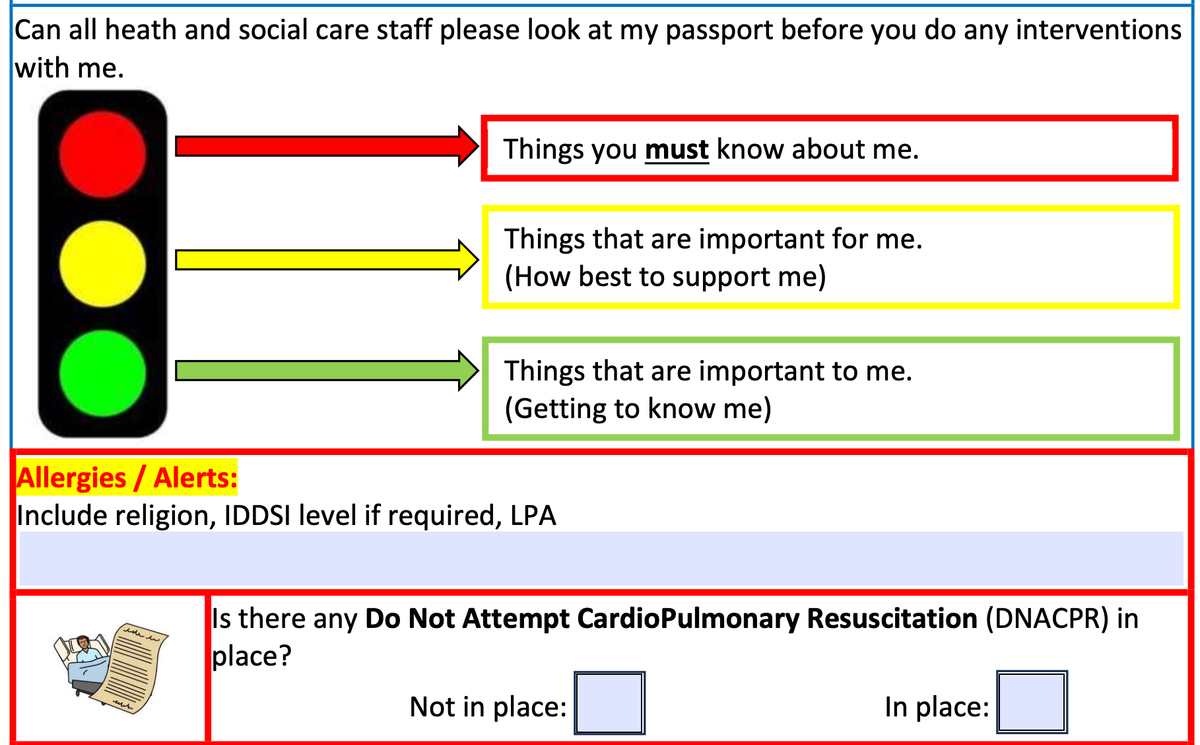
- Features a traffic light system (red, amber, green) to help staff quickly identify the most important information
- Should be taken to all hospital appointments and reviewed at least annually or when needs change
Health & Social Care has launched an updated Hospital Passport designed to improve hospital experiences for autistic people and anyone with a learning disability across the Bailiwick of Guernsey.
The passport is a personal document that shares vital information about how individuals communicate, their health needs, and what keeps them safe and calm during hospital visits. By bringing it to every hospital appointment or admission, it helps staff understand needs quickly and ensure effective, personalised care.
The updated version has been produced by a working group including individuals with lived experience, family carers, and professionals from across health and social care. Their combined insight has ensured the new passport is clearer, more inclusive, and better aligned with current best practice including the Capacity Law (2020).
The passport is especially important for people who may find it difficult to communicate or advocate for themselves during hospital appointments or stays.
Essential information included in the passport covers how the person communicates, sensory needs and reasonable adjustments, medication, allergies, and medical history, how they show pain, anxiety, or distress, eating, drinking, and swallowing needs, and legal information such as consent, capacity, Do Not Attempt Cardiopulmonary Resuscitation decisions, and Lasting Power of Attorney. It also includes personal preferences, routines, likes and dislikes.
To help staff access key information quickly, the passport uses a simple traffic light system.
Red indicates vital information with essential details that must be known for safe care.
Amber denotes important information with details that help staff understand how to support the person.
Green shows additional information with personal details that help staff get to know the individual.
The passport should be taken to any hospital appointment, planned admission, or emergency visit, and remain accessible to all healthcare professionals involved in an individual's care.
To remain accurate and useful, it should be reviewed at least once a year or whenever the person's needs change.
Deputy George Oswald, President of Health & Social Care, said: "Ensuring that anyone with a learning disability and autistic people receive safe, respectful, and person-centred care is a priority for Health & Social Care.
"The updated Hospital Passport is an important step forward. It gives individuals a stronger voice in their care and helps our staff understand what matters most to the person. I am grateful to everyone who contributed to this work, especially those with lived experience."
Shelley Taylor, Specialist Community Learning Disability Nurse, said: "This updated Hospital Passport reflects the real experiences of people with a learning disability and autistic individuals, their families, and carers.
"It clearly captures communication preferences, sensory needs, and reasonable adjustments. It provides practical support for hospital staff and reduces anxiety and improving the hospital experience for the individual.
"Collaboration with those with a lived experience has been key to getting this right, and we are proud to see a tool that truly represents the people it is designed to support."
Further information, including a guide on how to complete the passport, is available at gov.gg/hospitalpassport.
Q&A
Q: What is the Hospital Passport?
A: The Hospital Passport is a personal document that shares vital information about how someone communicates, their health needs, and what keeps them safe and calm during hospital visits. It is designed for autistic people and anyone with a learning disability.
Q: What information does the passport include?
A: The passport includes how the person communicates, sensory needs and reasonable adjustments, medication and allergies, how they show pain or distress, eating and drinking needs, legal information such as consent and capacity decisions, and personal preferences and routines.
Q: How does the traffic light system work?
A: The passport uses red for vital information that must be known for safe care, amber for important information that helps staff support the person, and green for additional personal details that help staff get to know the individual.



Comments ()