
Protected building owners given more flexibility for energy-efficient window replacements
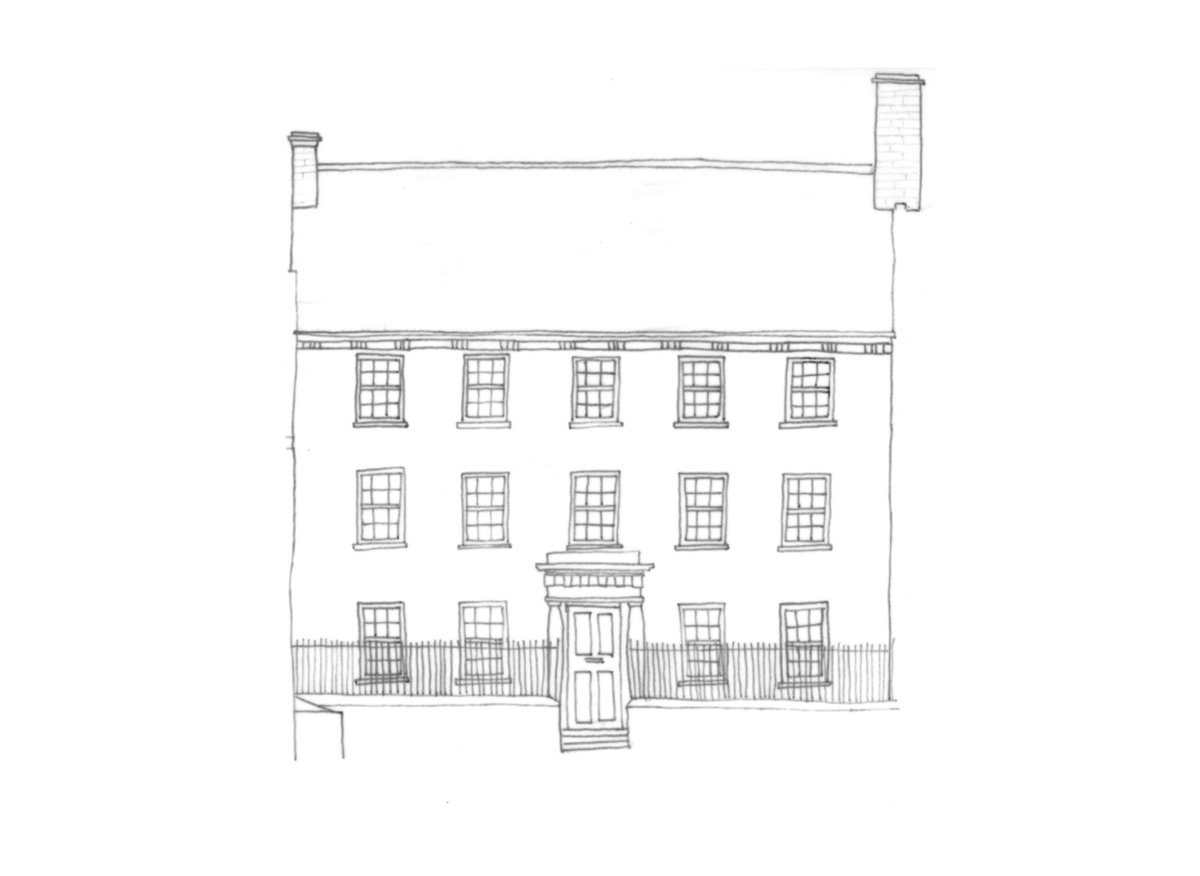
- Development and Planning Authority allows greater flexibility for replacing windows and doors in protected buildings with double-glazed timber alternatives
- Common historic window types such as six-over-six or one-over-one sash windows can be replaced on a like-for-like basis if they accurately replicate the original appearance
- Decorative, rare, ornate or intricately carved features of high heritage significance must be retained and repaired wherever possible
- Planning permission still required for all window and door replacements in protected buildings
- Property owners have welcomed the changes, with a "flurry" of applications
The Development and Planning Authority has introduced updated guidance allowing greater flexibility for owners of protected buildings to replace certain types of windows and doors with double-glazed timber alternatives.
Under the new rules, common historic window and door types — including simple six-over-six or one-over-one sash windows, and those with features such as curved heads — may now be replaced on a like-for-like basis with double-glazed wooden alternatives, provided they accurately replicate the original appearance.
The changes are designed to balance heritage conservation with the need for improved energy efficiency in protected properties across the island.
Windows and doors deemed to have high heritage significance, such as those that are decorative, rare, ornate, or intricately carved, must still be retained wherever possible. These elements are expected to be repaired or sensitively altered rather than replaced. Only where such features are genuinely beyond repair will removal be considered, and replacements must be precisely like-for-like.
To assist property owners in understanding which features qualify under different categories, the Authority has included photographs in the updated guidance, which is available at gov.gg/built_natural_historic_environment.
Planning permission remains a requirement for the replacement of all windows and doors in protected buildings to ensure their special interest is maintained. Section 6 of the guidance details the additional information that must accompany planning applications.
Deputy Neil Inder, President of the Development & Planning Authority, said: "Owning a protected building comes with the responsibility to look after what makes it special, but this should not be an unwanted burden. These changes will maintain Guernsey's heritage, while giving the owners the opportunity to improve the energy efficiency and quality of their homes."
He added: "Signalling this change has been welcomed by property owners and there has been a flurry of applications pre-empting these changes."
Deputy Inder also acknowledged the work of the Authority's conservation officers in developing the new guidance.
"I'm grateful to the conservation officers within the Authority who have assisted immensely to make this positive change," he said.
Q&A
Q: Do I still need planning permission to replace windows in a protected building?
A: Yes, planning permission is still required for the replacement of all windows and doors in protected buildings to ensure their special interest is maintained. Section 6 of the updated guidance sets out the additional information that must accompany applications.
Q: What types of windows can be replaced with double-glazed alternatives?
A: Common historic window and door types, such as simple six-over-six or one-over-one sash windows, and those with features like curved heads, may be replaced on a like-for-like basis with double-glazed wooden alternatives, provided they accurately replicate the original appearance.
Q: Can I replace ornate or decorative windows in my protected building?
A: Windows and doors of high heritage significance, including those that are decorative, rare, ornate, or intricately carved, should be retained wherever possible and repaired rather than replaced. Only where such features are genuinely beyond repair will removal be considered, and replacements must be precisely like-for-like.


Comments ()