
Primary school cycling rises as active travel holds steady in Guernsey
- Active travel at Guernsey and Alderney primary schools remained stable at 51%, with cycling increasing from 9% to 11% over the past year
- Secondary school active travel decreased slightly from 38% to 36%, though morning journeys rose from 34% to 35%
- Schools with walking buses and School Street schemes recorded notable increases, with Vale Primary up 12% and Castel Primary up 5%
- Car journeys to secondary schools dropped from 40% to 38%, suggesting fewer students are being driven directly to school gates
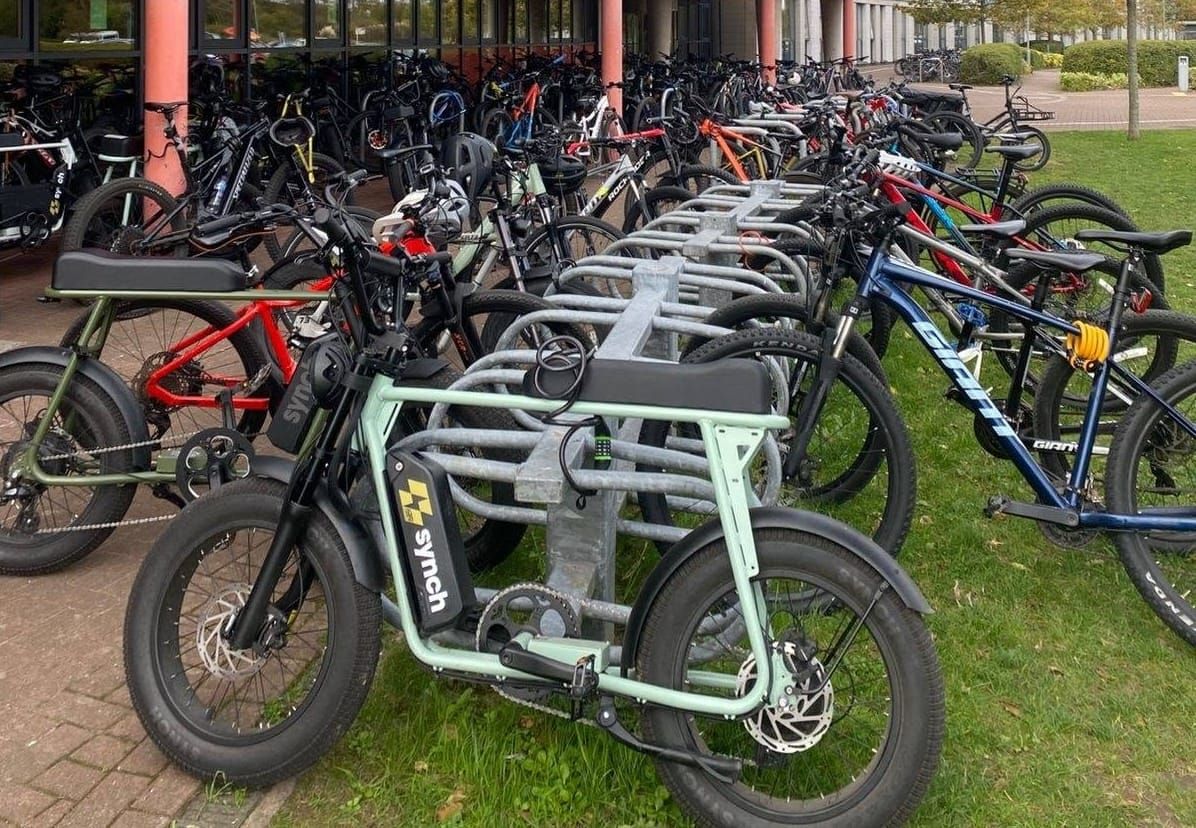
- E-bikes accounted for 24% of secondary school active travel journeys, nearly matching traditional bicycles at 26%
Active travel rates at primary schools in Guernsey and Alderney have remained stable at 51%, while cycling journeys have increased from 9% to 11% over the past year, according to the latest school travel audit.
The Health Improvement Commission's bi-annual survey, conducted in April and May 2026, found that secondary school active travel decreased slightly from 38% to 36% compared to May 2025, though morning journeys to secondary schools rose from 34% to 35%.
This year marked the first time primary and secondary schools were audited separately, with secondary schools and the Sixth Form Centre surveyed earlier to avoid exam leave periods.
Active travel is defined as walking, cycling, scooting and blended travel, where individuals complete part of their journey by motorised vehicle before switching to an active mode, sometimes called 'Park and Stride'.
Mainstream primary schools in Guernsey and Alderney collectively averaged 51% active travel. Morning rates remained constant at 48% since last year, while afternoon journeys held steady at 54%.
Despite wet and windy conditions during the audit days, with 20 May proving particularly damp and cold during the morning school run, active travel rates proved resilient. The increase in cycling journeys may suggest more parents are choosing to transport children by cargo bike regardless of weather conditions.
Family Bikeability sessions piloted throughout April 2026 may have encouraged more families to cycle to school. Parents and carers reported feeling more confident riding alongside their children on Guernsey's roads, helping to support this shift.
Schools that recently introduced initiatives to encourage walking, wheeling and cycling recorded notable increases in active travel.
Vale Primary and La Houguette Primary, both of which run weekly walking buses during spring and summer months, saw increases of 12% and 5% respectively compared to the October 2025 audit.
Castel Primary, which launched a pilot School Street scheme in April, recorded a 5% rise in active travel over the same period. Changes implemented by Traffic and Highway Services near the school, allowing cyclists to turn into the 'No Entry' school street, supported a 4% increase in cycling rates. The closure of La Ruette de la Generotte to motor vehicles has enabled a safer Park and Stride route from Saumarez Park, contributing to a 2% rise in blended travel.
"This demonstrates that when schools can introduce practical, sustainable initiatives that make active travel safer and more accessible, it can have a real impact on families, empowering them to make a healthier choice. The more attractive the active option becomes, the more likely it is that walking, wheeling and cycling will become the norm for children and their journeys to school," said Amy Woollaston, Active Travel Officer for The Health Improvement Commission.
Mainstream secondary schools in Guernsey and Alderney collectively averaged 36% active travel. Morning active travel rates have continued to rise steadily year on year, increasing from 34% in May 2025 to 35% in May 2026.
This suggests fewer students are being driven directly to school gates, supported by a continued reduction in car use. School journeys by car dropped from 40% in May 2025 to 38% in May 2026. Two secondary schools have been piloting the School Street initiative, which may have encouraged families to consider alternatives to driving in the mornings.
"This is very encouraging. The healthiest way to travel is to walk, wheel or cycle, but even taking the bus brings health benefits over single-car journeys because it reduces traffic and pollution around schools," commented Amy.
For the first time, this year's secondary school audit differentiated between pushbikes and e-bikes. Across all schools taking part, including the private colleges and the Sixth Form Centre, 24% of active travel journeys were made by e-bike. This figure almost matched traditional bicycles, which accounted for 26% of active travel reported.
"At this stage there is no trend to draw conclusions from, as this is the first year the question has been asked, but it is something worth monitoring. Data gathered by the Better Journeys Project already shows an increase in adults using e-bikes to commute to work. It could be that, as adults upgrade their bikes, older e-bikes may increasingly be passed on to teenagers, in much the same way mobile phones often are," noted Amy.
If teenagers are increasingly being given access to e-bikes, this could create more opportunities for young people to travel independently to all corners of the island without relying on lifts from parents and carers, helping more young people become more active while also reducing congestion at peak travel times.
The Health Improvement Commission for Guernsey and Alderney LBG was established in October 2018 as an element of the Committee for Health and Social Care's Partnership of Purpose. It is a non-profit organisation and registered charity that receives funding from the States of Guernsey under Service Level Agreements and raises funds from other charitable and private sector sources to deliver health improvement initiatives in the Bailiwick.
More information on active travel at schools is available at healthimprovement.gg/active travel schools.
Q&A
Q: What is active travel?
A: Active travel is defined as walking, cycling, scooting and blended travel, whereby someone might travel part of the journey by motorised vehicle and complete their journey by an active travel mode, sometimes referred to as 'Park and Stride'.
Q: Which schools saw the biggest increases in active travel?
A: Vale Primary and La Houguette Primary, both of which run weekly walking buses during spring and summer months, saw increases of 12% and 5% respectively compared to October 2025. Castel Primary, which launched a School Street scheme in April, recorded a 5% rise.
Q: How many secondary school active travel journeys were made by e-bike?
A: Across all schools taking part, including private colleges and the Sixth Form Centre, 24% of active travel journeys were made by e-bike, nearly matching traditional bicycles at 26%.

Comments ()