
Deputy calls for sovereign wealth fund to boost local investment and economic growth
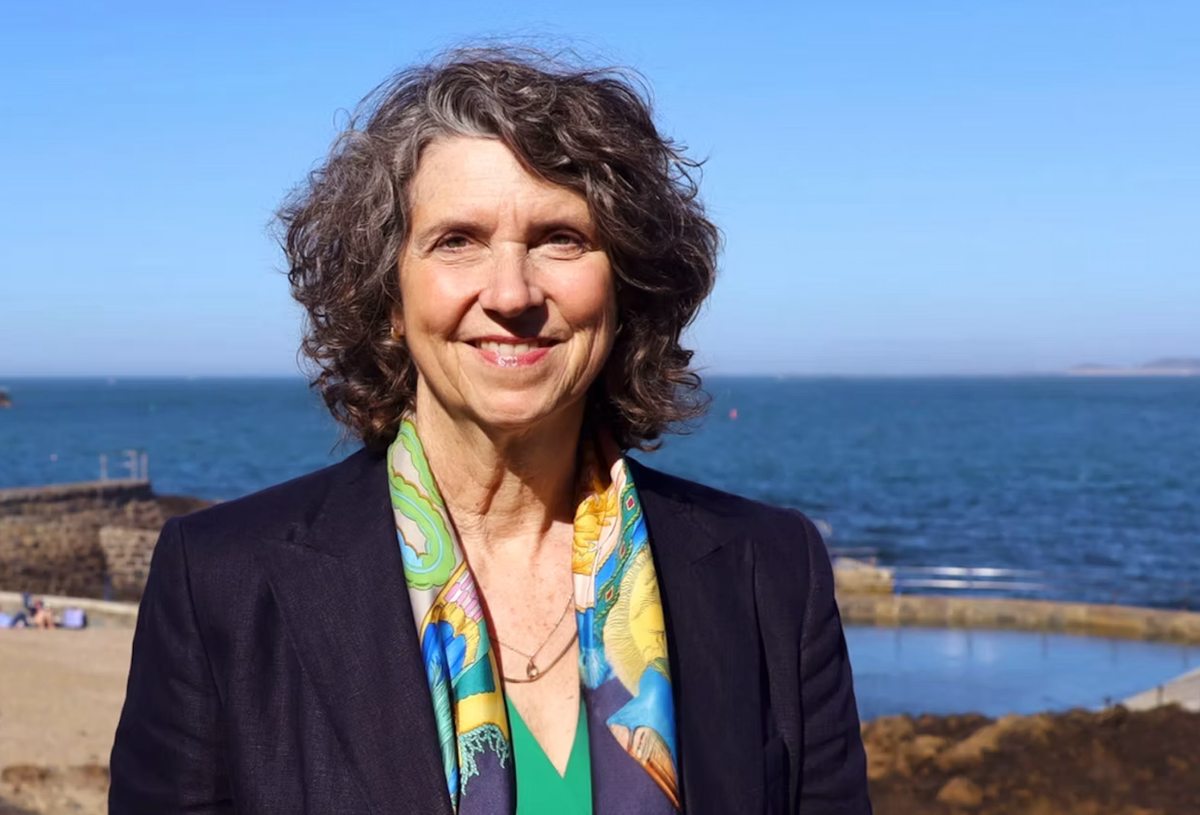
- Deputy Jennifer Strachan has called for Guernsey to establish a sovereign wealth fund to better manage financial assets and support local economic development
- Policy changes in 2022 reduced allocation to local fund managers from up to 20% to a minimum of 10%, cutting annual fee income to the local industry by approximately £1.15 million
- The deputy argues a sovereign wealth fund would provide increased clarity, improve risk-adjusted returns and significantly boost Guernsey's international financial credibility
- Investment performance has underperformed benchmarks by 5-6% cumulatively between 2023-2025, representing losses exceeding £200 million
- Deputy Strachan has asked Policy and Resources to commit to reviewing the asset management structure within six months, including higher allocations to local fund managers
Key terms
A deputy has called for Guernsey to establish a sovereign wealth fund to better manage the island's financial assets and support local economic development.
Deputy Jennifer Strachan, speaking at the States meeting on 23 June 2026 during debate on the island's accounts, argued that restructuring Guernsey's investable assets as a sovereign wealth fund would provide increased clarity, improve returns and crucially support the local economy.
The deputy criticised current investment policies, claiming they have cost the local fund management industry approximately £1.15 million in annual fee income since 2022, when policy changes reduced allocations to local fund managers.
"Currently, we send 95% of our investments off-island and do not seem to appreciate nor measure the impact it would have to invest more here. I would like to see this changed," Deputy Strachan said.
She explained that prior to 2022, the non-social security pool of assets, which amounted to £2 billion, supported local fund managers by allocating up to 20% of investments to selected managers with substantial presence in Guernsey. This meant approximately £400 million of States investments was managed locally, generating around £2 million in annual fees.
However, when the States Investment Board was established in 2022 and a US-based investment consultant was appointed, the policy changed to a minimum of 10% of non-pension assets with local managers "where suitable opportunities exist".
According to Deputy Strachan's analysis, this appears to have reduced the allocation to local managers to approximately £170 million, cutting annual fee income to around £850,000.
"This decision by the SIB represents a loss of approximately £1.15 million in fee income to the local economy. Yet the SIB and the Head of Resources have confirmed that there was no calculation of the economic multiplier effect of reducing this amount of local income," she said.
The deputy argued this loss has multiple impacts, including reduced income tax from salaries, loss of a valuable kitemark that successful fund managers could use to attract further investment, and reduced leverage when negotiating fees for underlying fund purchases.
She questioned why the policy change was made, noting that local fund managers continue to perform reasonably on a risk-adjusted basis over the medium and long term, invest in the same international equities and bonds as off-island managers, and often have head offices elsewhere contributing to investment strategy.
"Local fund managers, anecdotally, have said they have not been told of any reason for the reduction in their portfolio size and have been concerned at the interface with the offshore investment consultant, with evidence of opportunity losses incurred as a result," Deputy Strachan said.
She emphasised that increasing allocation to local fund managers would not create additional costs, as the SIB directors operate on a fixed fee and the investment consultant is paid based on assets under management.
Deputy Strachan outlined several advantages of establishing a sovereign wealth fund structure. She said it would provide increased clarity by viewing all cash, equity and bond holdings together with both realised and unrealised investment returns against correctly calculated liabilities.
"This would be a more holistic way of viewing our investible assets net of liabilities, and would better inform our decisions," she said.
She argued the structure would address concerns expressed by the Scrutiny Committee in their report on the accounts, clarifying for islanders what assets exist and what commitments are made against them.
The deputy said a sovereign wealth fund would improve risk-adjusted returns by focusing on net assets, ensuring long-term liabilities are appropriately managed and that key risks such as foreign exchange exposure are properly handled. She added that clear identification of such a fund would considerably increase Guernsey's international financial credibility.
Deputy Strachan also suggested the Guernsey Investment Fund should become fully independent to ensure value for money and allow more flexible response to local opportunities, criticising current involvement of the civil service, Policy and Resources Committee and SIB at granular level as blurring lines of responsibility.
She cited examples of rival international finance centres using sovereign wealth funds to support local initiatives. Luxembourg lends money to new fund managers for working capital, the Qatar Investment Authority supports venture capital funds, and Temasek in Singapore has seeded new investment platforms.
"Could our recently launched Fund Foundry better encourage new fund managers to locate here if we had a similar offer. Or if we commit to a wind farm, would some infrastructure investment from our own sovereign wealth fund help get it built?" she asked.
The deputy drew parallels with Norway, which held wealth derived from oil and gas fields for long-term investment, suggesting a similar structure would ensure gains from major projects like wind farms were explicitly used for Guernsey's benefit rather than absorbed in general government expenses.
Deputy Strachan also raised concerns about recent investment performance, noting that the States Investment Board Annual Reports show the island has repeatedly missed market and real return benchmarks.
"The disappointing results, given strong markets, should raise significant alarm bells as to how we are structuring and instructing our fund managers, because 2023, 2024 and 2025 underperformed the benchmark cumulatively by 5-6% or in plain numbers, well in excess of £200 million," she said.
She added: "It is essential for Guernsey to improve this situation, as we have lost much more money in recent investment underperformance than we have in the MyGov IT debacle."
The deputy declared she had no direct or indirect conflict of interest in any local fund manager via her company IAM Advisory or her husband, but confirmed a "passionate interest in our financial assets being managed well and made to work for the people of Guernsey".
She concluded by asking Deputy Parkinson to commit the Policy and Resources Committee to review the structure under which financial assets are managed, including analysing a sovereign wealth fund structure and committing a higher percentage to the local fund manager pool.
"This topic, on how the assets are to be structured and managed is at least as important as the debate over the tax structure," Deputy Strachan said, requesting the review be completed within six months and offering to assist with the project.
Q&A
Q: What is Deputy Strachan proposing?
A: Deputy Strachan is proposing that Guernsey establish a sovereign wealth fund to better manage the island's financial assets. She argues this would provide increased clarity, improve returns and support the local economy by increasing allocations to local fund managers.
Q: How much has the policy change cost local fund managers?
A: According to Deputy Strachan's analysis, the 2022 policy change that reduced allocations to local fund managers from up to 20% to a minimum of 10% has cost the local fund management industry approximately £1.15 million in annual fee income.
Q: What has been the recent investment performance?
A: Deputy Strachan stated that States investments have underperformed market benchmarks cumulatively by 5-6% between 2023 and 2025, representing losses well in excess of £200 million. She described this as more significant than losses from the MyGov IT project.


Comments ()