
Hospital modernisation phase two halted as costs soar to £273 million - £5.5m already spent developing plan
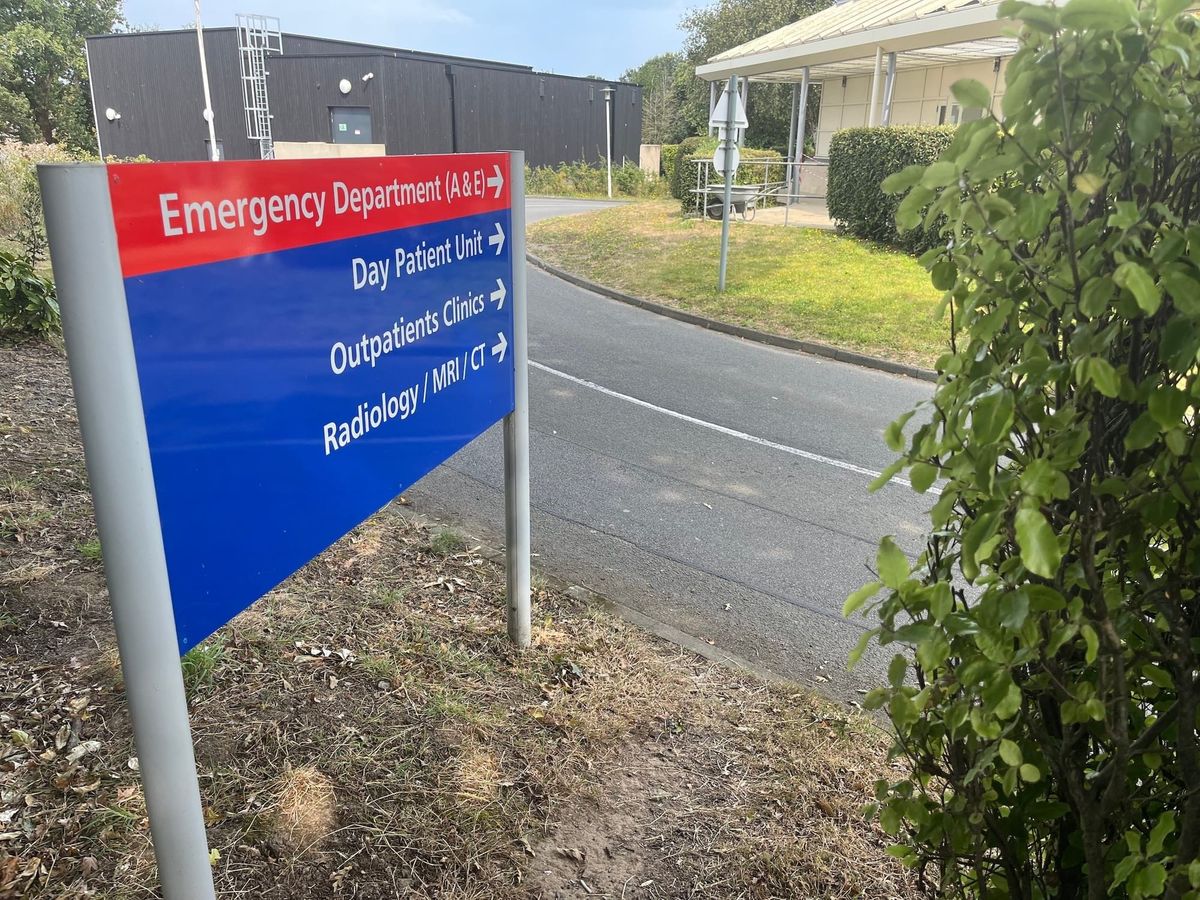
- Phase 2A of hospital modernisation scrapped after costs soar to £273 million, more than double the £120 million approved by the States in 2023
- Phase 1 Critical Care and Post Anaesthetic Care Units built but not in use due to fire safety issues, with total costs now forecast at £39.3 million
- Late and incomplete Electronic Patient Record programme transitioning to closure with approximately £22 million of £23.711 million budget spent, remaining projects transferred to Digital & Technology team
- Committee spent £5.5 million on Phase 2 development including design work and business cases before deciding project unaffordable
- Future approach will focus on smaller, targeted projects rather than large-scale programmes, with health system facing £5 million annual increase in underlying pressures
A major hospital modernisation project in Guernsey has been scrapped after costs escalated to £273 million - more than double the original budget.
Health & Social Care has announced that Phase 2A of the Our Hospital Modernisation Programme will not proceed, after concluding the project is "unaffordable and cannot be progressed further".
The committee has also provided updates on two other major capital projects: Phase 1 of the hospital modernisation and the Electronic Patient Record programme.
Work on Phase 2 has now stopped and will not proceed to a fully costed RIBA Stage 3 design. The States of Deliberation approved £120 million for the phase in October 2023. Following a value-engineering exercise, the previous committee advised in January 2025 that a revised Phase 2A could deliver approximately 80% of the original scheme's benefits for an estimated £130 million.
However, the latest cost estimate indicates a total projected cost of approximately £273 million — the full cost of completing the project through to delivery.
Direct expenditure on Phase 2 and Phase 2A currently totals approximately £5.5 million, with a further £0.4 million required to close out current work, bringing total expenditure to approximately £5.9 million.
Phase 2A focused on new-build hospital facilities to expand operating theatre and surgical capacity, provide modern maternity facilities and deliver supporting infrastructure designed to meet Guernsey's healthcare needs for decades to come.
The revised estimate has increased because of several factors that were said to be difficult to accurately account for in the initial design stages. Approximately 55% of the increase relates to projected inflation over the delivery period. The remaining increase arises largely from a more detailed understanding of the scope, complexity and risk profile of the scheme as the design work progressed.
Other factors include inflation between 2023 prices and anticipated project completion in 2030, more detailed assessment of the infrastructure works required to support the new facilities, a fuller understanding of enabling works needed before construction could begin, updated construction market assumptions and procurement costs, more comprehensive assessment and pricing of project risks and contingencies, and refinements to the design and technical requirements identified through the development process.
The direct expenditure comprised around £1.9 million on the original design development, £1.7 million on programme costs to develop the original Phase 2 Outline Business Case, £0.2 million on the value-engineering exercise that informed the Phase 2A and 2B approach, and £1.7 million on the development of revised designs and the drafting of the associated Outline Business Case for Phase 2A.
While the programme will not proceed in its present form, the committee does not consider this expenditure to have been wasted. The work completed has generated "valuable evidence" and analysis that will continue to inform future health and care infrastructure planning, including assessments of clinical demand, service capacity, estate constraints, infrastructure requirements, design options and project risks.
The committee said there is a clear link between this work and the Government Work Plan priority of developing a sustainable health and care system for the Bailiwick. Future decisions on hospital infrastructure will need to be considered alongside broader reforms aimed at developing a sustainable health and care system that can continue to meet the needs of the community over the long term.
Current projections indicate that continuing to provide services in the same way is financially unsustainable, with underlying pressures increasing by approximately £5 million per year.
Going forwards, the committee will consider options for a number of smaller, more targeted projects which will deliver better value for money while also addressing the increasing pressures in certain parts of health and social care.
Phase 1 of the Our Hospital Modernisation Programme will provide a new Critical Care Unit and a Post Anaesthetic Care Unit at the Princess Elizabeth Hospital. It has already delivered a new electricity substation and a new Electro-Biomedical Engineering workshop within the hospital.
The new clinical facilities have been built but have not yet been brought into use after fire stopping concerns were identified in 2024. An independent specialist survey found that significant remedial work was required, which has been carried out by the contractor at no additional cost to the States.
A number of additional pieces of work are also necessary and the committee has been allocated £3.05 million from Policy & Resources, which includes a £610,000 contingency, to complete the remaining additional works on the Critical Care and Post Anaesthetic Care Units.
The committee has directed that the remaining remedial and additional works are carried out expediently and carefully to bring the facilities into safe use as soon as possible and ensure any remaining issues are resolved.
Total expenditure on Phase 1 to July 2026 was £33.5 million within the envelope originally delegated to the work. Including forecast expenditure for the additional works and other ancillary costs, the total forecast is £39.3 million. A further £485,000 of costed risk remains in relation to unresolved non-fire-related defects, but this funding is not being requested at this stage as it is still being investigated.
On current planning assumptions, the additional works would start before the end of the year, and end in the middle of 2027 followed by a 13-week period to commission and bring the facilities into use. These remain planning assumptions and are dependent on funding, contracting and delivery.
The first phase of the Electronic Patient Record programme has delivered a significant step forward in terms of the way digital health records can be managed and utilised, the committee says.
It is working towards creating one electronic record for each patient. HSC's Acute, Community, Child Health, Learning Disability and Mental Health services are all included in the EPR programme. The roll out of the new systems earlier this year was a success, with no unplanned interruption to patient care.
While the programme missed its target completion date, most Phase 1 deliverables are complete with approximately £22 million spent out of the £23.711 million budget for EPR. £450,000 from the remaining programme contingency will fund immediate and longer term technical work, project management and specialist support for the new systems.
Not all of the originally scoped work within the EPR programme has been completed, however. Phase 2 of the EPR programme would have included the digital system for the critical care unit, the acute electronic prescribing system, and the Mosaic safeguarding system upgrade, among other pieces of work.
Rather than continue with these projects as part of the EPR programme, the committee has now agreed to transition the EPR programme towards closure, transferring the residual projects to the States' Digital & Technology team for them to carry out a rolling programme of improvement.
Each of the remaining projects will require their own business justification and funding approval, likely through routine minor capital.
Other more minor former Phase 2 items will be reviewed through the development of a wider Digital Health Strategy.
Deputy George Oswald, President of the Committee for Health & Social Care, said: "These are difficult updates, but it is important that the Committee is transparent with the community about how these capital programmes have developed since their inception. We recognised the problems with these programmes of work and foresaw the difficulties that would come with trying to push ahead regardless. Now, we have made what I consider to be the entirely appropriate decision to stop. We still must recognise the need for investment in the HSC estate because of increasing demands, demographic changes, and a range of other factors, and we must use what resources we have to make changes, however these changes must be commensurate with the needs of the island and delivered cost effectively. If we had continued on the path these programmes were on, this would not have been the case."
He added: "While some positive milestones have been reached through this work, as a Committee we recognised they had not delivered as originally promised and we are committed to being open about the problems that have emerged, the money already spent and the further decisions required. Financial responsibility means being prepared to stop, reshape or separately justify work when the evidence shows that the original route is no longer affordable or deliverable. It also means finding a way to deliver the improvements our health and care services greatly need to ensure that the Bailiwick's system of Health & Social Care is fit for the demands of the future."
Regarding Phase 2 of the Our Hospital Modernisation Programme specifically, Deputy Oswald said the committee recognises that continuing the programme in its current form is unaffordable and that it would not be responsible to continue investing in the development of a proposal that cannot realistically be delivered.
He said: "Going forwards, as a committee we are intending to approach this type of work in a different way. We don't want to pursue 'big bang' programmes with a wide array of elements. Instead, we want to look strategically at where projects can have the greatest impact, agree a plan to develop a specific solution, and then deliver it, rather than taking on huge, sweeping changes which inevitably take years - or several political terms - to deliver. We hope that by taking this targeted approach, we will be able to address issues like the continuing need for additional theatre capacity and general investment in healthcare infrastructure in a much faster and more cost-effective way. Our task now is to identify a more affordable and realistic routes to achieving that within the resources available. Equally, we are looking forward to working with the HSC Digital Team on delivering smaller, more manageable IT projects which will have a tangible impact on the delivery of our health services."
Deputy Oswald said the committee is determined to ensure that the work undertaken to date informs the next stage of planning. "The information gathered through the design, engineering and business case process has significantly improved our understanding of future healthcare requirements, estate constraints, infrastructure needs and delivery risks. That knowledge will be critical in shaping whatever solution comes next."
Q&A
Q: Why was Phase 2A of the hospital modernisation cancelled?
A: The Committee for Health & Social Care concluded Phase 2A is unaffordable, with costs reaching approximately £273 million — more than double the £120 million approved by the States in October 2023. The committee decided it would not be responsible to continue investing in a proposal that cannot realistically be delivered.
Q: How much money has been spent on Phase 2 development?
A: Direct expenditure on Phase 2 and Phase 2A totals approximately £5.9 million, including around £1.9 million on original design development, £1.7 million on programme costs for the Outline Business Case, £0.2 million on value engineering, £1.7 million on revised designs and business case, and £0.4 million to close out current work.
Q: When will the new Critical Care Unit from Phase 1 open?
A: On current planning assumptions, additional works would start before the end of 2026 and end in mid-2027, followed by a 13-week commissioning period. However, these remain planning assumptions dependent on funding, contracting and delivery. The facilities were built but cannot be used due to fire safety issues identified in 2024.

Comments ()