
Guernsey's £26m ferry loan: interest payments decline and paper profits confirmed
- Guernsey States received £941,000 in loan interest from Condor VesselCo in 2025, down from £1.36m in 2024
- The outstanding loan balance stood at £22.667m as of December 31, 2025, with final repayment now scheduled for 2042
- States recorded £546,000 accounting surplus from its 50% ownership, but no actual cash dividends were paid out
- Collateral with fair value of £35.4m protects public investment if Condor VesselCo defaults on repayment obligations
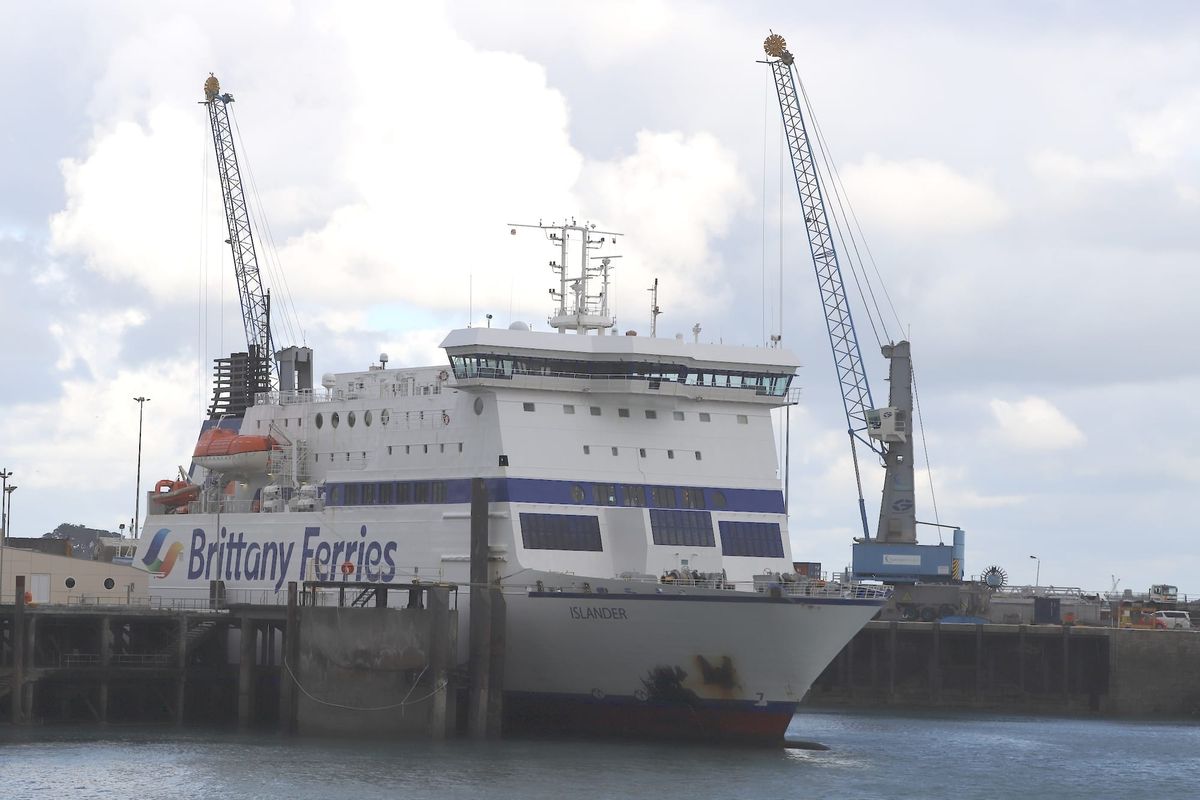
- The Islander ferry is currently leased to Brittany Ferries, Condor's parent company, as part of joint venture arrangement
The States Annual Accounts have provided an insight into the financial performance of its multi-million-pound investment in the Islander ferry.
In 2023, the States and Condor invested £3m. each in a joint venture to buy the boat, with the government also loaning £26m.
The outstanding balance of this loan stood at £22.667m as of 31 December 2025.
This money was provided to the joint venture, Condor VesselCo Limited, from the proceeds of the States’ 2014 Public Bond and is scheduled for final repayment in 2042 - seven years later than initially agreed after the previous Policy & Resources Committee changed the terms.
The Islander is currently leased to Brittany Ferries, which is Condor’s parent company.
Financial returns: cash vs. accounting surplus
The investment generated two distinct types of financial return for the taxpayer in 2025:
Actual cash income: The States received £941,000 in loan interest payments from Condor VesselCo during the year. This is a decrease from the £1.36m received in interest during 2024.
Accounting surplus: Through its 50% ownership of the company, the States recorded a £546,000 share of the company's operating surplus. However, the accounts clarify that this is an accounting entry under the "equity method"; no actual dividends or cash distributions were paid out by Condor to the States during 2025.
Protections in place
While the investment carries inherent risks, the accounts highlight safeguards in place to protect public money.
The States currently holds collateral against the debt with a fair value of £35.4 million.
This collateral can be enforced to satisfy the debt if Condor VesselCo fails to meet its contractual repayment obligations.
Furthermore, the States’ 50% share of the company’s total net assets is now valued at £3.7 million, up from £3.15 million the previous year.
The bigger picture
This investment is part of a broader strategy where the States uses its bond proceeds to provide "on-lending" to commercial and infrastructure projects.
Along with the Condor loan, the States manages similar arrangements with the Guernsey Housing Association (£69.4 million) and JamesCo 750 Limited (£5.9 million), which until earlier this year owned the fuel tankers - a confidential deal was announced in April to sell them.
In total, the States’ share of the surplus from its equity-accounted investments (of which Condor VesselCo is the primary component) rose to £547,000 in 2025, nearly doubling the £289,000 recorded in 2024.
Key terms
Q&A
Q: How much interest did Guernsey States receive from the Condor ferry loan in 2025?
A: The States received £941,000 in loan interest payments from Condor VesselCo during 2025, which represents a decrease from the £1.36 million received in 2024.
Q: What is the difference between the cash income and accounting surplus from the ferry investment?
A: The cash income of £941,000 represents actual interest payments received, while the £546,000 accounting surplus is a paper entry reflecting the States' 50% ownership share of the company's operating surplus. No actual dividends or cash distributions were paid out by Condor to the States during 2025.
Q: What protections are in place to safeguard the public investment in the ferry?
A: The States holds collateral against the debt with a fair value of £35.4 million, which can be enforced if Condor VesselCo fails to meet its contractual repayment obligations. Additionally, the States' 50% share of the company's net assets is valued at £3.7 million, up from £3.15 million the previous year.


Comments ()