
Guernsey Electricity reports £3.3m profit as interconnection emerges as top priority
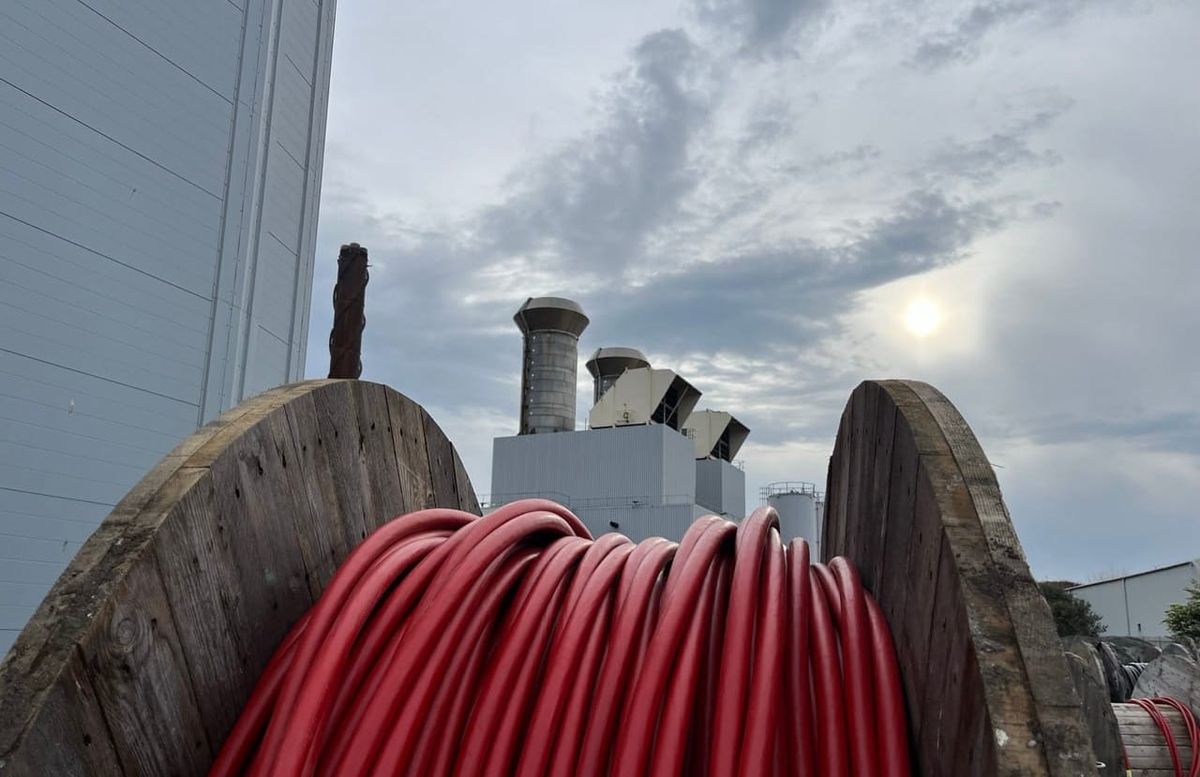
- Guernsey Electricity reports operating profit of £3.3 million and profit before tax of £1.43 million, with net debt reduced to £42.7 million
- Further interconnection identified as top strategic priority, with business case to be presented to States Trading Supervisory Board in 2026 and final investment decision expected in 2028
- 5 per cent revenue cap increase approved, effective July 2026, with average price per kilowatt hour rising to 22.02 pence from 19.85 pence
- Company marks 125th anniversary since first supplying electricity in 1900, with new chair Julian Critchlow warning next 25 years will see more change than previous 125
- Customer survey receives 3,617 responses showing cost as main concern, with tariff reform planned to link fixed costs to electrical demand rather than consumption
Key terms
Guernsey Electricity Limited has reported an operating profit of £3.3 million for 2025 as the company marks its 125th anniversary and identifies further interconnection as its top strategic priority.
The utility's profit before tax stood at £1.43 million, up from £799,000 in 2024, while revenue decreased to £80 million from £91.8 million. The 2024 figures covered a 15-month period, making direct comparison more complex. Net debt was reduced to £42.7 million from £46.2 million.
The company has secured approval from the States Trading Supervisory Board for a 5 per cent revenue cap increase, effective from July 2026. The average price per kilowatt hour sold rose to 22.02 pence from 19.85 pence in 2024.
CEO Alan Bates said: "The 2025 operational and financial results illustrate the limits of what we have by way of assets and therefore further strengthens the case for our strategic investments going forward. Our strategic planning has reinforced the need for greater momentum to obtain further interconnection, which will deliver affordability and decarbonisation, alongside other future value enhancing opportunities for consumers."
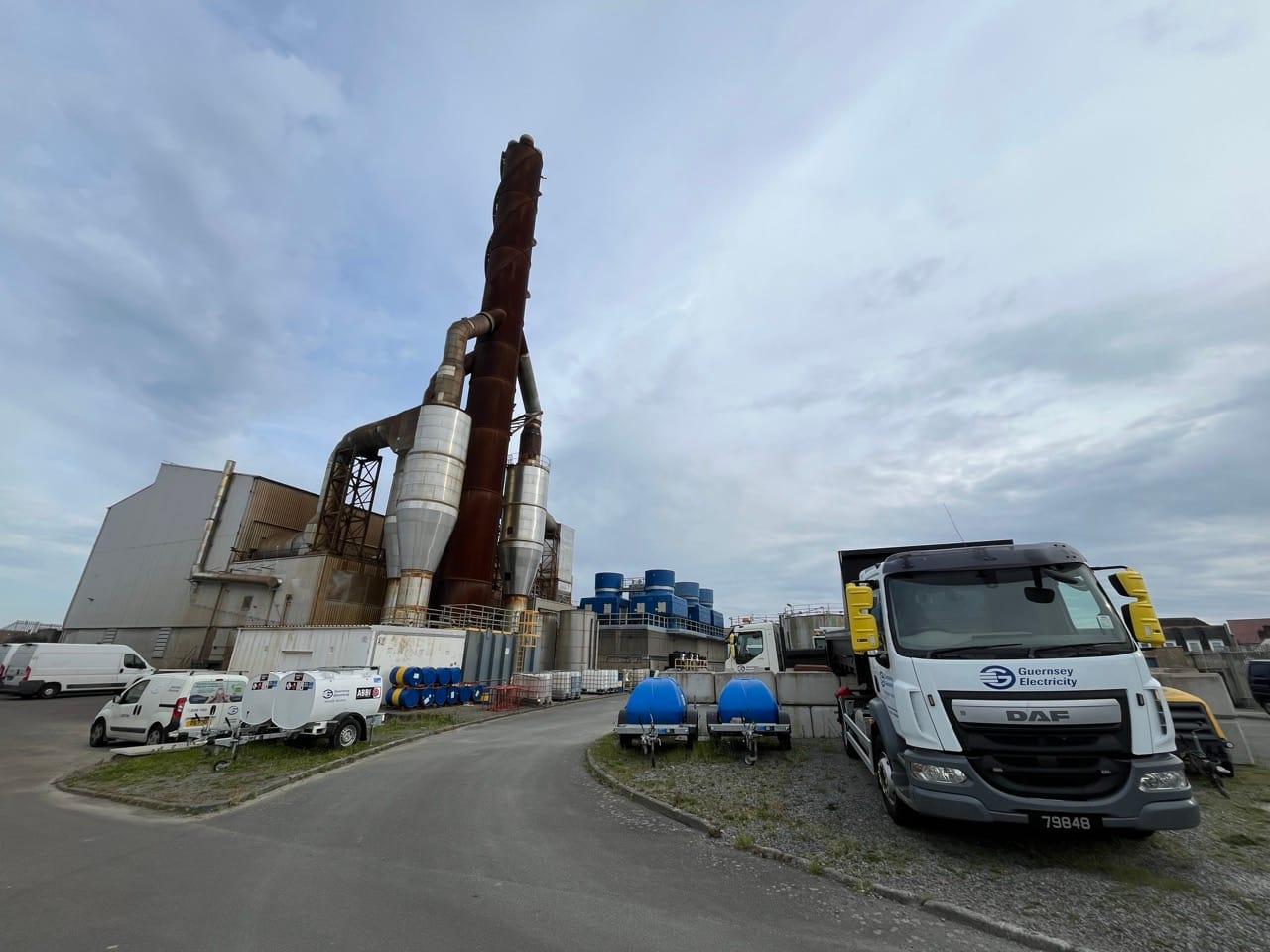
The company is considering two options for further interconnection: a direct connection to France or an additional connection through the existing Channel Islands Electricity Grid via Jersey. A business case will be presented to the States Trading Supervisory Board in 2026, with a final investment decision not expected until 2028.
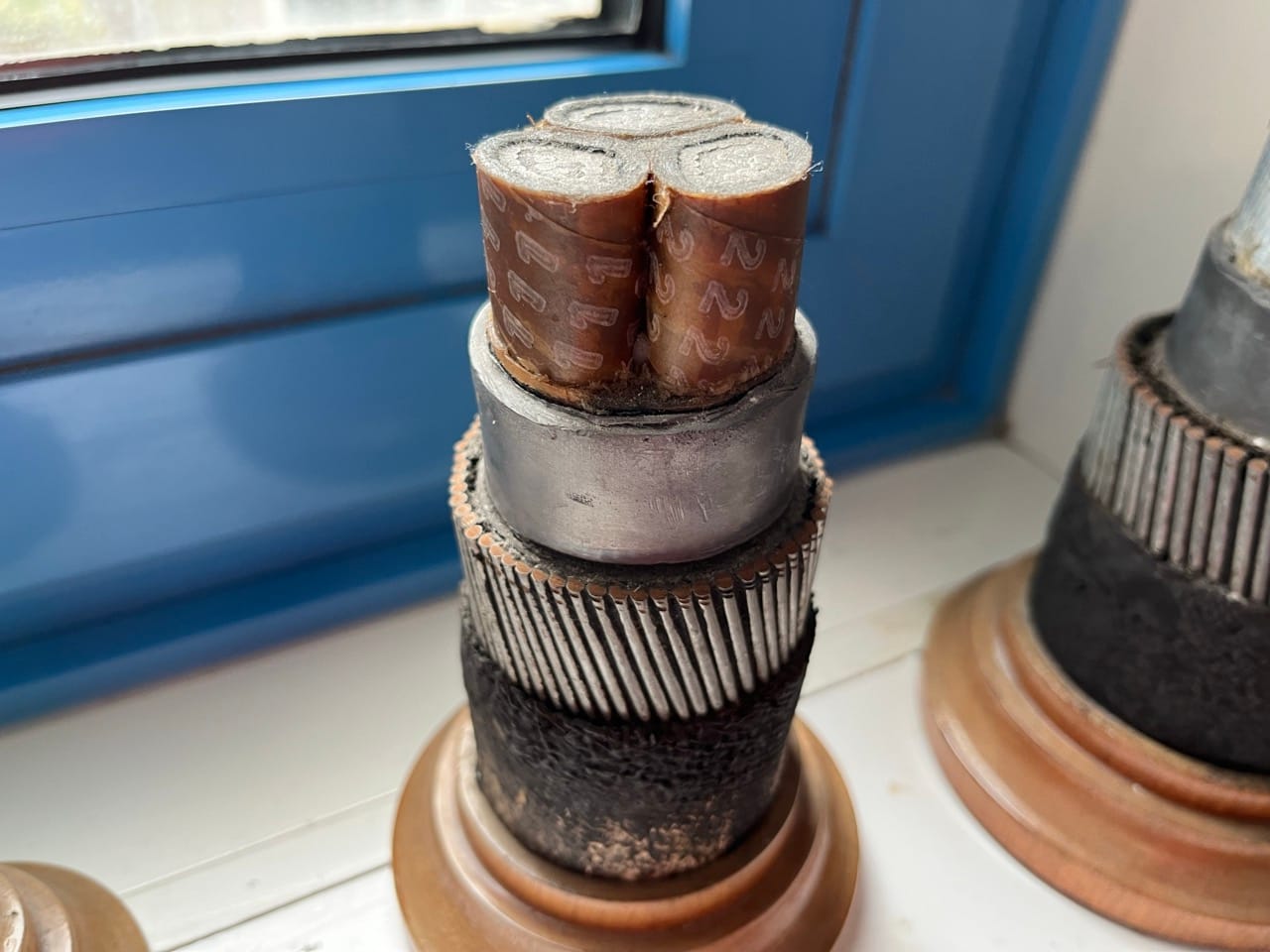
The Normandie 2 cable is planned for replacement before 2030, creating potential efficiency opportunities. Guernsey Electricity's modelling shows the preferred investment pathway would deliver average tariff increases below the inflation assumption over a 30-year period.
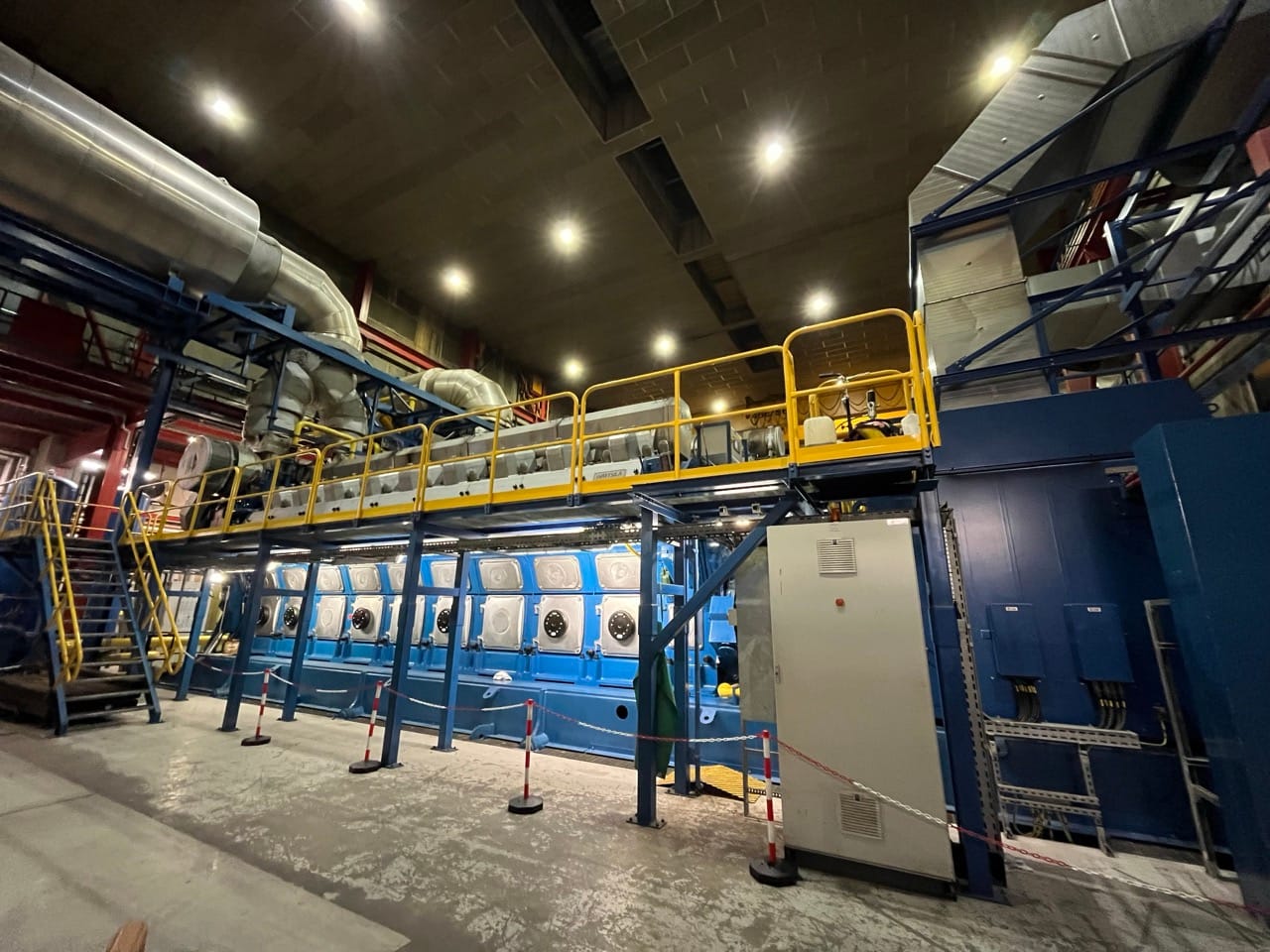
The company imported 91.8 per cent of its electricity in 2025, slightly up from 91 per cent the previous year. All imported electricity was certified as renewable. However, the carbon intensity of distributed electricity increased to 78 grams of CO2 per kilowatt hour from 62 grams, primarily due to a greater proportion of on-island generation at Vale Power Station. Total emissions rose to 36,019 tonnes of CO2 equivalent from 29,557 tonnes.
Guernsey Electricity maintained strong operational performance, with network availability of 99.995 per cent. Customer minutes lost stood at 27.49, marginally higher than 26.57 in 2024. The company recorded zero minutes lost due to generation or importation issues for the second consecutive year.
The utility served 29,923 customers, a slight decrease from 29,953 in 2024, and sold 346,970 megawatt hours of electricity.
Capital investment for the year totalled £10.1 million, down from £16 million in the 15-month period of 2024. Major projects included the board-approved refurbishment of Gas Turbine 4 with a significant control system upgrade, and the installation of additional cooling towers in C Station, adding 11 megawatts of standby capacity.
The company completed the Kings Road major infrastructure project during summer, integrating a new substation with the wider high voltage network. At Les Ozouets, over 750 metres of high and low voltage cables were replaced or enhanced.
Guernsey Electricity optimised the GJ1 interconnector to deliver up to 66 megawatts, an increase from the previous 60 megawatts. This pilot project increases low carbon electricity importation.
A commercial metering replacement project commenced in partnership with Landis+Gyr, with around 500 of the largest commercial customers set to receive advanced industrial metering solutions. The company plans to roll out next generation meters to the wider customer base, which will include a customer app for account and consumption information.
The company and the States Trading Supervisory Board launched a cost reflectivity workstream aimed at apportioning fixed and variable costs more fairly. About half of Guernsey Electricity's costs are variable and consumption-related, while the remainder are fixed costs associated with the grid and security of supply.
Future changes will link fixed costs to customer electrical demand measured in megawatts rather than just consumption in megawatt hours. A customer survey showed support for standing charge reform, and changes will be introduced gradually to allow customer adaptation.
The survey, conducted in September 2025, received 3,617 responses, representing 6.7 per cent of the adult population. Key findings showed cost as the main customer concern across all areas, while environmental concern dropped as a priority compared to cost. There was overwhelming support for a Guernsey Electricity app and significant support for standing charge reform.
The company held its second annual Powering Life for Less Show in September 2025 at St Pierre Park Hotel, with nearly 300 islanders attending. The event featured partnerships with local businesses and charities, and presentations on the Electricity Strategy, tariffs, home electrification and energy saving.
Guernsey Electricity has total credit facility limits of £78 million. This includes a £20 million HSBC Revolving Credit Facility with an option to increase to £35 million, of which £29.5 million was drawn. The facility expires in April 2028. The company also has a £15 million RBSI Revolving Credit Facility with nil drawn, a £15 million RBSI Term Loan with £5.8 million drawn, and a £13 million States of Guernsey Bond at 3.625 per cent fixed rate. Available funds to draw stood at £20.5 million.
The company is working with government on funding arrangements for strategic investments, modelling a combination of state and commercial lending options. Annual capital maintenance is now funded through earnings, while material infrastructure investments are funded through additional debt.
Over 4 megawatts of solar photovoltaic capacity has already been installed on the island. Community Solar PV produced 396 megawatt hours, down from 450 megawatt hours in 2024, but buy-back data shows island-wide solar production increased by more than 550 megawatt hours year-on-year.
Guernsey Electricity is developing an approach for offtake agreements for larger generators, with market arrangements being established to facilitate adoption. The government is working on legislative and regulatory changes, with a focus on balancing supply and demand initiatives for the net zero pathway.
The company employed 244.4 full-time equivalent staff, with a workforce that is 75 per cent male and 25 per cent female. The average age is 45 years and average length of service is 7.8 years. A 17 per cent gender pay gap exists, which the company attributes to specialist technical roles.
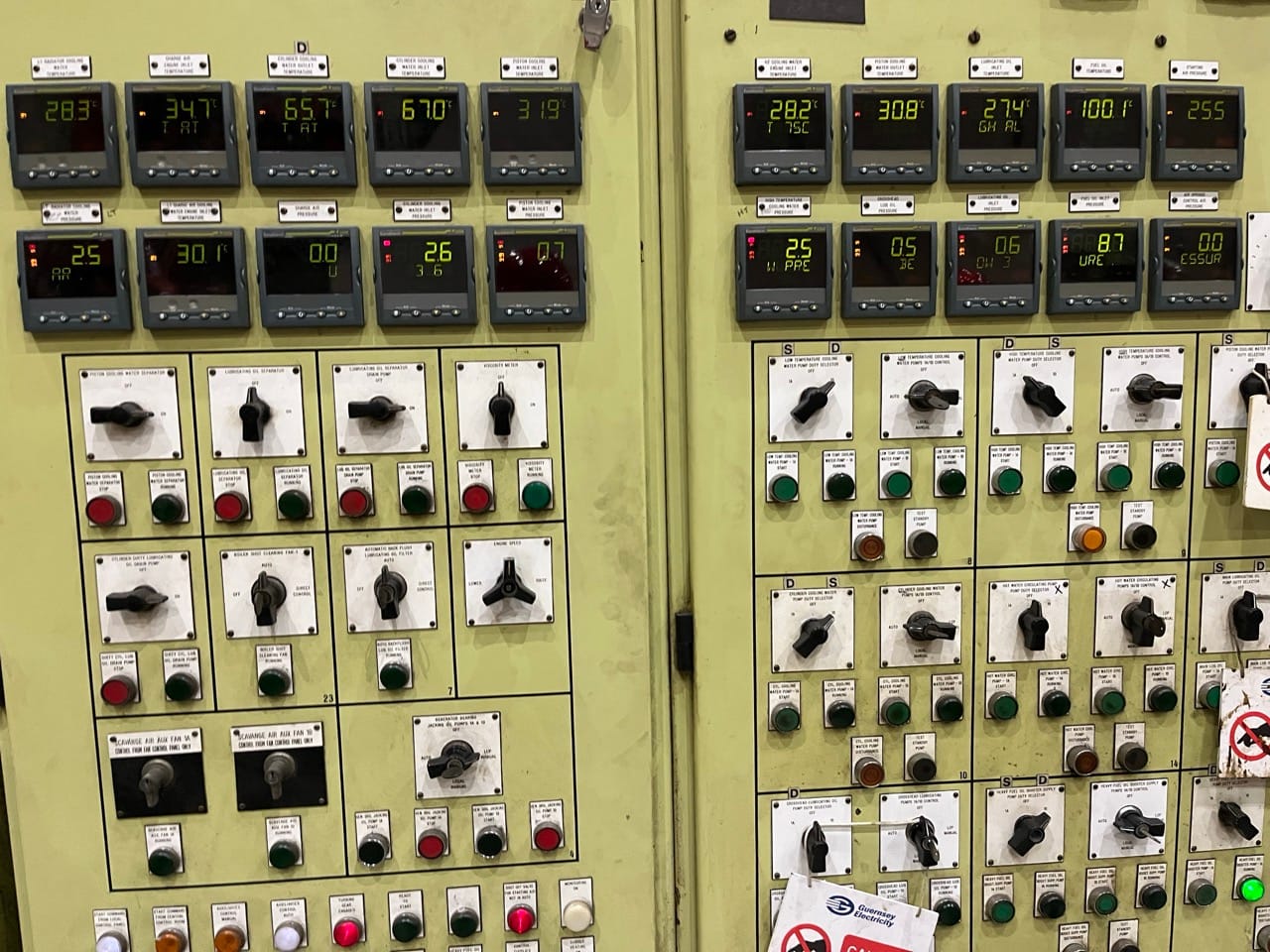
Guernsey Electricity has 19 apprentices across electrical, plumbing, jointing and substation maintenance. An electrical apprentice finished second in the Pan-Island Skills Competition. A new career marketing campaign attracted nearly 500 job alert subscribers.
To mark the 125th anniversary, staff contributed 125 hours of volunteering, including a beach clean at Bordeaux with Clean Earth Trust, planting 125 trees with Guernsey Trees for Life, and foodbank support at Guernsey Welfare Service.
The company's defined benefit pension scheme, which closed to new members from 1 October 2017, showed a surplus following its triennial valuation as at 31 December 2023. The employer contribution rate was reduced from 7.5 per cent to 1.5 per cent effective 1 January 2025. The FRS102 surplus stood at £12.06 million, restricted to £6.95 million in the balance sheet.
Julian Critchlow was appointed chair in August 2025, replacing Peter Shaefer who retired. The board comprises six non-executive directors and three executive directors.
Critchlow said: "The next 25 years will see more change than the previous 125 - and the decisions we take now on interconnection, investment and tariff reform will define the island's energy future for a generation."
Guernsey Electricity completed a comprehensive hydrographic survey of its four existing subsea interconnector cables using advanced technologies including multibeam bathymetry, sidescan sonar, magnetometry and sub-bottom profiling. The findings will guide future inspections and maintenance and support compliance with French concessions requirements.
The company identified key risks including grid stability with intermittent renewable generation requiring battery storage solutions, price and volume hedging complexity with variable renewable generation, and wholesale energy market volatility. The company said it saved customers over £70 million in 2022-2023 through effective hedging during the Ukraine war.
For 2026, priorities include presenting the interconnection business case to the States Trading Supervisory Board, progressing funding certainty with government, implementing tariff reform aligned with the cost reflectivity workstream, continuing digital transformation and smart meter rollout, and completing board succession planning for executive directors.
Q&A
Q: What was Guernsey Electricity's operating profit for 2025?
A: Guernsey Electricity reported an operating profit of £3.3 million for 2025, down from £3.6 million in 2024, though the 2024 figure covered a 15-month period.
Q: When will the approved tariff increase take effect?
A: The States Trading Supervisory Board approved a 5 per cent revenue cap increase that will be effective from July 2026.
Q: What are the two interconnection options being considered?
A: The company is considering either a direct connection to France or an additional connection through the existing Channel Islands Electricity Grid via Jersey, with a business case to be presented in 2026 and final investment decision not expected until 2028.
Comments ()