
Electricity prices rising from July
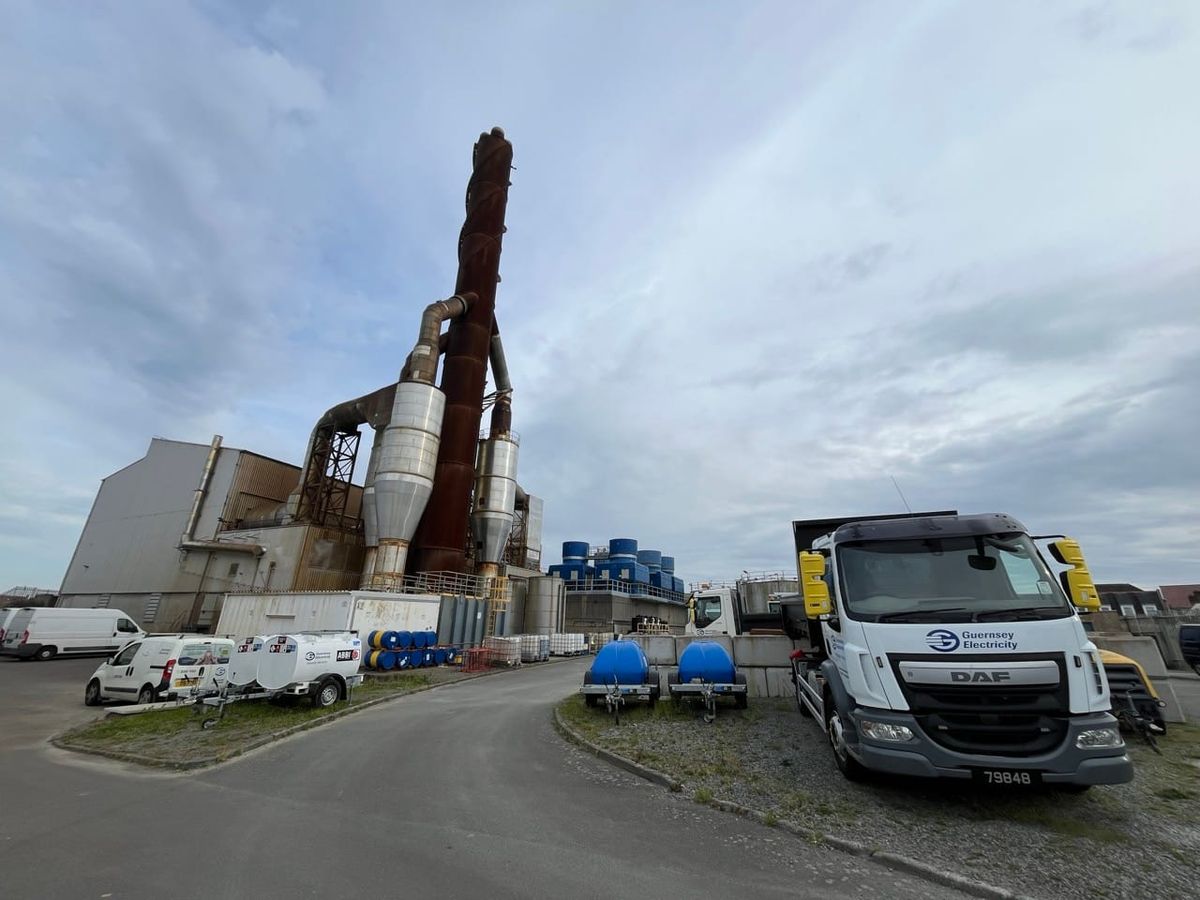
- States' Trading Supervisory Board approves 5% revenue increase for Guernsey Electricity from July
- Standing charges will rise 3% whilst unit charges increase between 5% and 7%, affecting high-usage households most
- Guernsey Electricity plans to invest more than £150 million by 2030 in infrastructure and network upgrades
- Investment includes replacing European grid cable and potentially installing new interconnector to reduce reliance on local generation
- Customers to benefit from £2 million efficiency savings by 2028 as STSB renews cost reduction targets
The States' Trading Supervisory Board has approved a 5% revenue increase for Guernsey Electricity, which will take effect from July.
The increase will be split between unit charges and standing charges, meaning the impact on individual customers will vary according to their electricity consumption.
Households with the lowest electricity usage will see the smallest bill increases, as standing charges will rise by 3% — below the retail price index. The majority of additional revenue will come from higher unit charges, which will increase by between 5% and 7%. This means households with higher energy consumption will face larger cost increases.
Under the STSB's zero dividend policy for Guernsey Electricity, any surplus generated by the company is reinvested in the island's electricity infrastructure for the long-term benefit of islanders.
As part of its 2026 tariff application, Guernsey Electricity outlined plans to invest more than £150 million between now and 2030. A third of this funding will be allocated to maintaining and upgrading existing network infrastructure. The company is also preparing for several major projects requiring significant investment
These projects include replacing one of the cables that provides the island's current connection to the European grid. Subject to States approval later this year, the company also plans to increase import capacity by installing a new interconnector. This will help meet future electricity demand with reduced reliance on local generation.
The investment programme will be funded through a combination of customer charges and borrowings, spreading the cost between current and future electricity customers.
Existing customers are expected to benefit from efficiency savings of £2 million by 2028, after the STSB renewed its target for cost reductions by the company as part of the tariff decision.
Guernsey Electricity had applied for a 6% increase. In its decision notice, the STSB said it acknowledged the current affordability pressures facing islanders. However, given the scale of investment required by the company, restricting tariff increases to RPI now risked much higher rises in future. A 5% increase struck the right balance.
The STSB said: 'If the projected level of capital investment is to be delivered, restricting tariff increases to RPI in the near term would likely result in materially larger increases, in excess of RPI, being required by 2029.'
The board added: 'The Board is satisfied that GEL's proposed capital investment programme supports the delivery of reliable and resilient electricity services, to meet the island's current and future needs.'
The STSB's full decision notice is available at www.gov.gg/GELtariffdecision.
Q&A
Q: How much will my electricity bill increase?
A: The impact varies by consumption. Standing charges will rise 3%, whilst unit charges increase between 5% and 7%. Households using less electricity will see smaller increases, whilst high-usage households will face larger rises.
Q: What will Guernsey Electricity spend the money on?
A: The company plans to invest more than £150 million by 2030. A third will maintain and upgrade existing infrastructure, with the remainder funding major projects including replacing a European grid cable and potentially installing a new interconnector.
Q: Why didn't the STSB restrict the increase to RPI?
A: The board said restricting increases to RPI now would likely result in materially larger increases, in excess of RPI, being required by 2029 given the scale of investment needed. The 5% increase strikes a balance between affordability and necessary infrastructure investment.


Comments ()