
Crown Pier marina facilities running on renewable heating oil
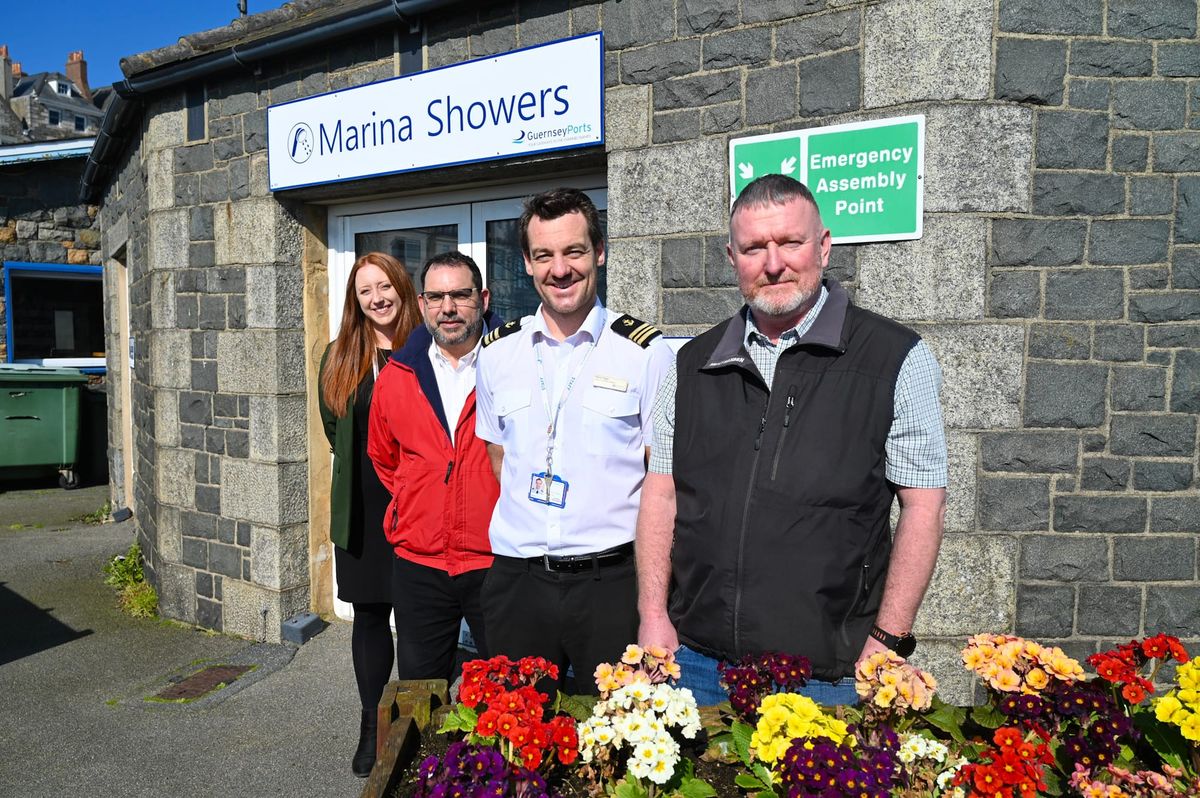
- Guernsey Ports has switched Crown Pier marina facilities to renewable heating oil since April 2026
- Hydrotreated Vegetable Oil (HVO) derived from used cooking oils now heats buildings and shower facilities for visiting boat crews
- The renewable fuel reduces carbon emissions by approximately 90 per cent compared to fossil fuels
- Three boilers were converted by Rubis to enable the switch to HVO
- Fossil fuels for heating, back-up generation and fleet vehicles account for approximately 50 per cent of Guernsey Ports' direct carbon emissions
Guernsey Ports has switched to renewable heating oil for its marina facilities on the Crown Pier in a move to reduce carbon emissions and improve environmental credentials.
Since April this year, the building and hot water for the shower facilities used by visiting boat crews have been heated by Hydrotreated Vegetable Oil (HVO) as an alternative to kerosene.
HVO is a renewable diesel fuel derived mostly from used cooking oils from the food industry. The biofuel reduces carbon emissions by approximately 90 per cent compared to fossil fuels and offers additional environmental benefits including being odourless with reduced carbon monoxide, particulate and NOx emissions, which will improve air quality in the immediate area.
Kieran Higgs, Head of Port Operations, said: "The switch to HVO this season is a clear step towards lowering emissions across our marina operations and showing our visiting customers that we are serious about improving our environmental credentials."
The transition to greener fuels across Guernsey Ports' business has been made possible with the support of Rubis, who converted the three boilers which service the visitor facilities.
Nick Crolla, Rubis, said: "We are delighted to be supporting Guernsey Ports on its journey towards achieving its sustainability ambitions. Renewable heating oil offers a simple, cost effective way to significantly reduce carbon emissions while making use of existing heating systems. Renewable fuels are a key part of the energy transition, providing an immediate and practical route to reduce emissions, using the systems and vehicles already in place."
The conversion of the Crown Pier facilities represents a significant step in addressing Guernsey Ports' carbon footprint. Approximately 50 per cent of the organisation's direct carbon emissions across both the harbour and airport are from the use of fossil fuels for heating, back-up generation and fleet vehicles.
Lisa Duggan, Head of Sustainability & CSR, Guernsey Ports, said: "The use of alternative low carbon fuels is key to reaching our sustainability ambitions. Approximately 50% of Guernsey Ports' direct carbon emissions across both the harbour and airport are from the use of fossil fuels for heating, back-up generation and fleet vehicles, therefore the conversion of these facilities to HVO is an important step in our journey to becoming a greener organisation. This is an exciting time for Guernsey Ports as we develop our Sustainability Strategy and implement initiatives to reduce our environmental impact."
Q&A
Q: What is HVO and where does it come from?
A: HVO stands for Hydrotreated Vegetable Oil, a renewable diesel fuel (biofuel) derived mostly from used cooking oils from the food industry.
Q: How much does HVO reduce carbon emissions compared to fossil fuels?
A: HVO reduces carbon emissions by approximately 90 per cent compared to fossil fuels.
Q: What proportion of Guernsey Ports' emissions come from fossil fuels?
A: Approximately 50 per cent of Guernsey Ports' direct carbon emissions across both the harbour and airport are from the use of fossil fuels for heating, back-up generation and fleet vehicles.


Comments ()