
States sell fuel tankers to fleet operator in confidential deal
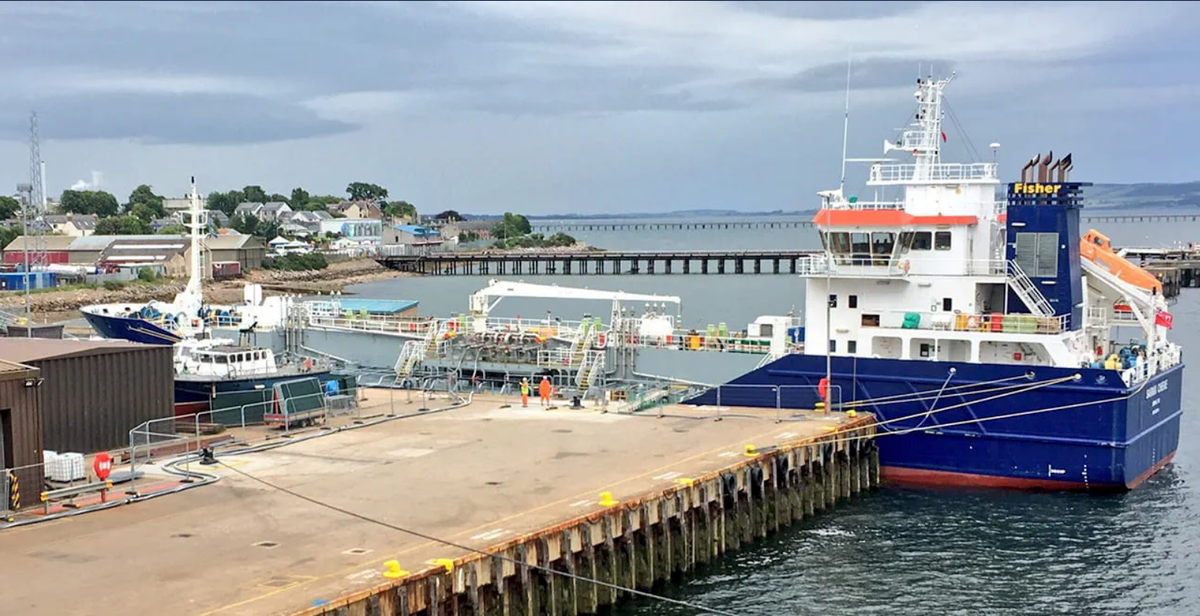
- States of Guernsey have sold fuel tankers Sarnia Cherie and Sarnia Liberty to James Fisher Everard in confidential deal
- Sale proceeds will enable full repayment of remaining loan from original 2008 purchase
- Vessels were bought to ensure fuel supply security when few NAABSA vessels existed worldwide
- Other suitable vessels now regularly deliver to Guernsey, removing need for States ownership
- JFE confirms intention to continue including Guernsey in vessels' trading operations
The States of Guernsey have sold their two fuel tankers to specialist fleet operator James Fisher Everard in a deal that will enable full repayment of the remaining loan from their original purchase.
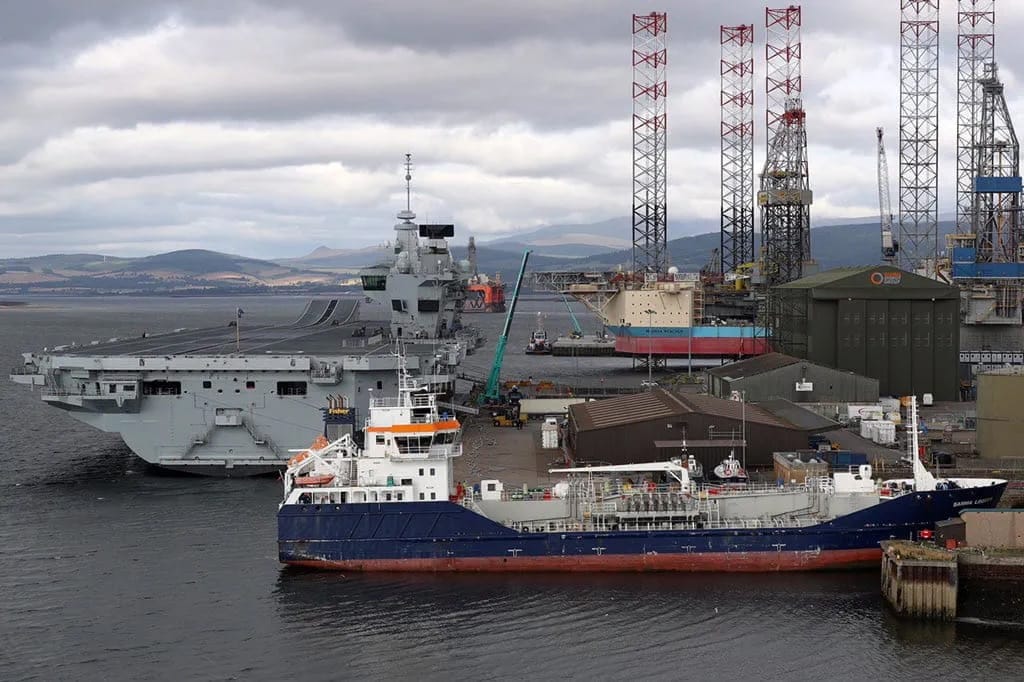
The Sarnia Cherie and Sarnia Liberty were acquired by JFE this month through negotiations with JamesCo 750, the States-owned holding company established for the vessels.
Whilst the financial terms remain confidential, States' Trading Supervisory Board President Deputy Mark Helyar confirmed the sale proceeds would cover the outstanding debt associated with their 2008 purchase.
By the end of 2024, the latest figure published, the amount remaining from the States loan to JamesCo was £6,746,000; down from £7,519,000 in 2023 and £8,265,000 in 2022.
The disposal avoids the need for further States investment as both vessels approach the end of their originally anticipated operating life in 2027 and 2028.
The tankers were purchased by the States in December 2008 for £15.2m to ensure security of fuel supplies to the island. Most bulk shipments of liquid hydrocarbons, including oil, petrol and diesel, are imported through St Sampson's Harbours, which dries out at low tide.
The harbour is therefore only accessible by vessels specially designed to rest on the seabed when required, known as 'not always afloat but safely aground' or NAABSA vessels.
Key terms
When acquired by the States, the Sarnia Cherie and Sarnia Liberty were among only a small number of operational NAABSA vessels worldwide. This led to concerns that the island's fuel supply could be at risk if the owner sold the ships to another operator for deployment elsewhere.
However, such concerns have since receded as other NAABSA vessels have entered the market and regularly deliver fuel to the island. These include Thun Blyth and Thun Britain operated by The Geos Group.
Despite ownership by JamesCo 750, the States were not the operator of the vessels. Instead, they were chartered to JFE, which operates a fleet of 16 tankers throughout Europe and the Caribbean. Local fuel importers would contract with JFE to arrange their bulk shipments.
JFE has confirmed it intends to continue including Guernsey in the trading operation of the vessels following the purchase.
The Sarnia Cherie was constructed in 2007 and the Sarnia Liberty in 2008. JamesCo 750 was established as a holding company wholly owned by the States, with responsibilities including negotiating bareboat charters, ensuring vessels meet International Maritime Organisation regulations and technical standards, and retaining valid classification certificates.
Deputy Helyar said: "The fuel tankers were acquired because of concerns about the availability of suitable commercial vessels that could discharge safely at St Sampson's Harbour. Since then, other vessels have entered the market and are regularly delivering to Guernsey. There is therefore no longer a case for owning fuel tankers to maintain our security of supply.
"On the back of a review commissioned by the Committee for the Environment & Infrastructure in the last term, and accepted by the previous Policy & Resources Committee, the STSB was instructed to dispose of the tankers. That sale has now been completed."
The States' Trading Supervisory Board acts as shareholder of JamesCo 750 on behalf of the States. Due to the niche nature of its activities, JamesCo 750 does not publish annual accounts to avoid disclosing commercially sensitive information to its charter operator.
Background and history
The States of Guernsey purchased two specialist NAABSA vessels, the Sarnia Cherie and Sarnia Liberty, in 2008 to ensure security of fuel supplies to the island amid concerns about the limited availability of commercial vessels capable of discharging safely at St Sampson's Harbour. St Sampson's unique drying-out berths require fuel tankers to sit on the harbour bottom during cargo discharge, necessitating vessels specifically designed and certified as 'not always afloat but safely aground' (NAABSA) vessels with strengthened hulls. The Sarnia Cherie was built in 2007 and the Sarnia Liberty in 2008, with both vessels initially chartered to James Fisher Everard for operations while remaining under States ownership through the holding company JamesCo 750. Over time, demand for hydrocarbon fuels began to decline and shipping patterns changed, with hydrocarbon fuels needed in smaller volumes. A comprehensive review of fuel supply options was conducted, examining various scenarios to ensure security of supply while meeting future declining volumes. This work formed part of the States Trading Supervisory Board's broader Ports Programme examining all import requirements. The vessels were approaching the end of their originally anticipated operating life by the late 2020s, leading to the recent decision to dispose of them rather than require further States investment.
Q&A
Q: Why did the States originally buy the fuel tankers?
A: The States bought the Sarnia Cherie and Sarnia Liberty in 2008 to ensure security of fuel supplies to the island. At the time, they were among only a small number of operational NAABSA vessels worldwide that could safely discharge at St Sampson's Harbour, which dries out at low tide.
Q: Will the sale affect fuel deliveries to Guernsey?
A: No, James Fisher Everard has confirmed it intends to continue including Guernsey in the trading operation of the vessels. JFE was already operating the tankers under charter from the States-owned holding company.
Q: How much did the States receive for the sale?
A: The financial terms of the sale are confidential, but Deputy Mark Helyar confirmed the proceeds would enable full repayment of the remaining loan associated with the tankers' original purchase in 2008.

Comments ()