
States launches survey on smartphone use in schools
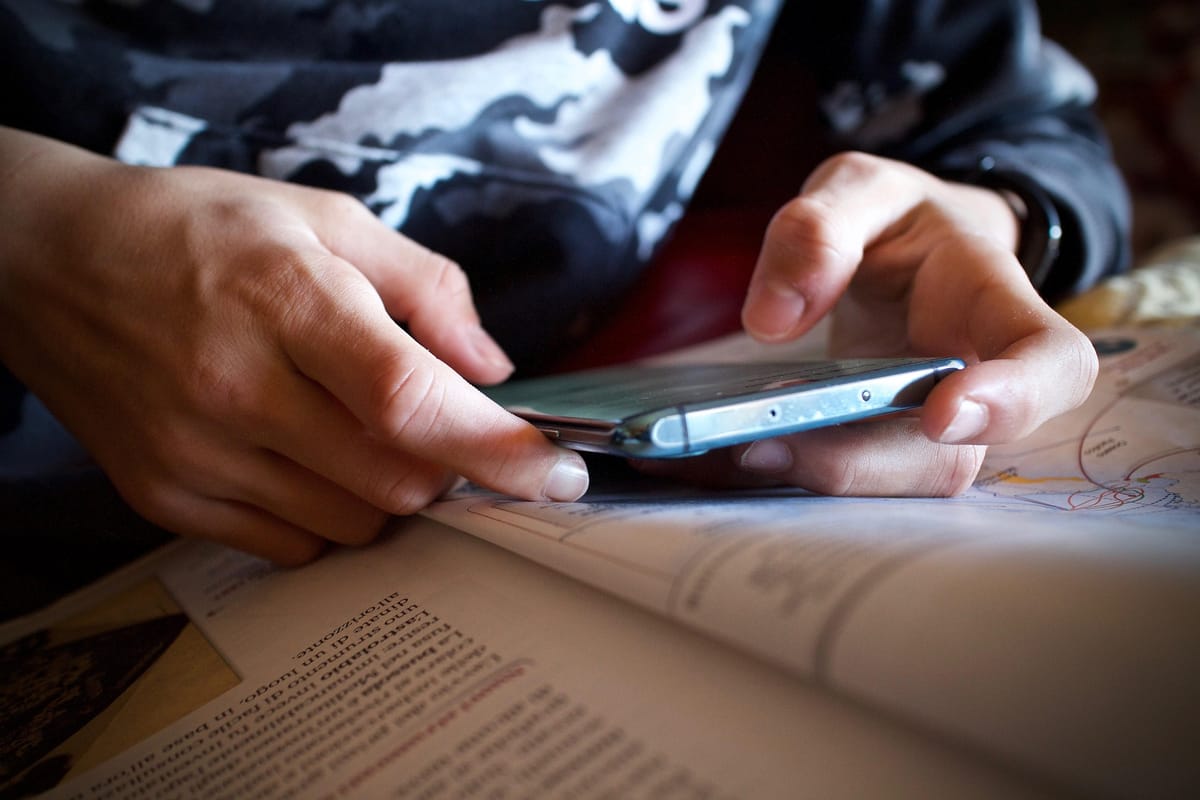
• Parents, students and school staff across Guernsey and Alderney invited to participate in smartphone usage survey
• Independent research team from University of West England Bristol will conduct study adapted from Bristol research
• Survey focuses on smartphone use by children under 16 and effects on school environment
• Findings will inform future education policies and school smartphone policies across the islands
• Research follows launch of 'Screens Away, Time to Play' campaign for parents of babies and toddlers
The States has launched a comprehensive survey examining smartphone use among children under 16, with particular focus on how devices affect the school environment across Guernsey and Alderney.
The research, commissioned by the States' Education and Public Health services, will be conducted by an independent team from the University of West England Bristol. The study is based on Bristol research that has been adapted for the island context.
All primary and secondary schools in Guernsey and Alderney will distribute the survey to parents, carers and staff through their usual communication channels. Students in Years 7-11 will also participate in the research.
The survey aims to understand current practices and identify areas requiring additional support or policy changes. Questions will examine views on existing school phone policies, students' smartphone habits and beliefs, and the role parents, carers and school staff can play in supporting responsible phone use among young people.
Three separate questionnaire versions will be distributed to ensure anonymous responses from students, school staff, and parents or carers. The overall findings will guide future education policies, support measures and decision-making on smartphone use in schools.
Rachel Sykes, Health, Personal Development and Partnerships Officer for Education, said: "Schools are already working hard to balance the benefits of technology with the need to create focused learning environments without smartphone distractions.
"Having an independent research team gather data for our jurisdiction will help to inform conversations about smartphone policies in our schools. For example, student, staff and parent data can be compared on identical questions and common themes to illustrate how students view their experiences locally, in comparison to their parents and school staff.
"The results will build a picture of sentiment across the islands from those who experience daily the benefits and the challenges that smartphones bring to children, and help us to continue to ensure we have appropriate policies in our schools."
Jenny Cataroche, Head of the Public Health Intelligence team, emphasised the importance of establishing local evidence on smartphone usage patterns. "Smartphones have quickly emerged as the dominant device that children use to go online and access or share digital content.
"It is important for us to have robust local evidence of how phones are used by children of different ages and how their experiences with their phones might be impacting their health.
"By listening to the experiences of students, parents and school staff, we can set a baseline of how things stand now, in 2026, to refer to in the future. We are delighted that all schools in the islands have agreed to be part of this survey and the more people that take part, the more reliable our data will be."
The survey follows the recent launch of the States Early Years Team's 'Screens Away, Time to Play' campaign, which provides advice and guidance on handheld devices for parents and carers of babies and toddlers.
The research comes amid increasing national and international discussion about young people's smartphone use.
What happens elsewhere?
1. France — Nationwide ban, strictly enforced France banned smartphones in schools for children up to age 15 in 2018, and by September 2024 had extended this to a general ban across all schools. The rationale has been consistent: reducing distraction and protecting mental health. France also trialled an "enforced digital pause" requiring students to hand in their phones on arrival — going further than simply keeping them in bags.
2. England — Guidance without legislation In England, the Department for Education issued non-statutory guidance on how schools should implement a mobile phone ban, leaving it to school leaders to decide on their own policies. The UK government has explicitly said it is not planning a statutory ban, preferring schools to retain autonomy while the Online Safety Act provides broader child protections online.
3. Finland — A late but significant convert Finland, which consistently ranks near the top of the PISA global education rankings, recently passed legislation only allowing phone use in class for healthcare or learning purposes. Its decision carries particular weight internationally precisely because of its education system's reputation — and signals growing consensus even among countries previously resistant to bans.
4. Brazil — A consultation-led approach Brazil's President approved a law banning phones throughout the school day in public and private schools, following extensive consultations with technology experts, psychologists, psychiatrists, teachers and politicians — and the move enjoys the backing of more than 80% of parents. The law also explicitly tasks schools with developing strategies to address mental health problems linked to device use.
5. Germany — Decentralised, school-by-school Germany has no nationwide mobile phone ban because experts were divided over whether phones should be banned in secondary schools, though they agreed on banning them in primary schools. Nevertheless, most German schools have prohibited mobile phone use except under a "bring your own device" concept for lessons. This reflects a broader philosophical tension between digital literacy education and restriction.


Comments ()