
Significant increase in active travel to school
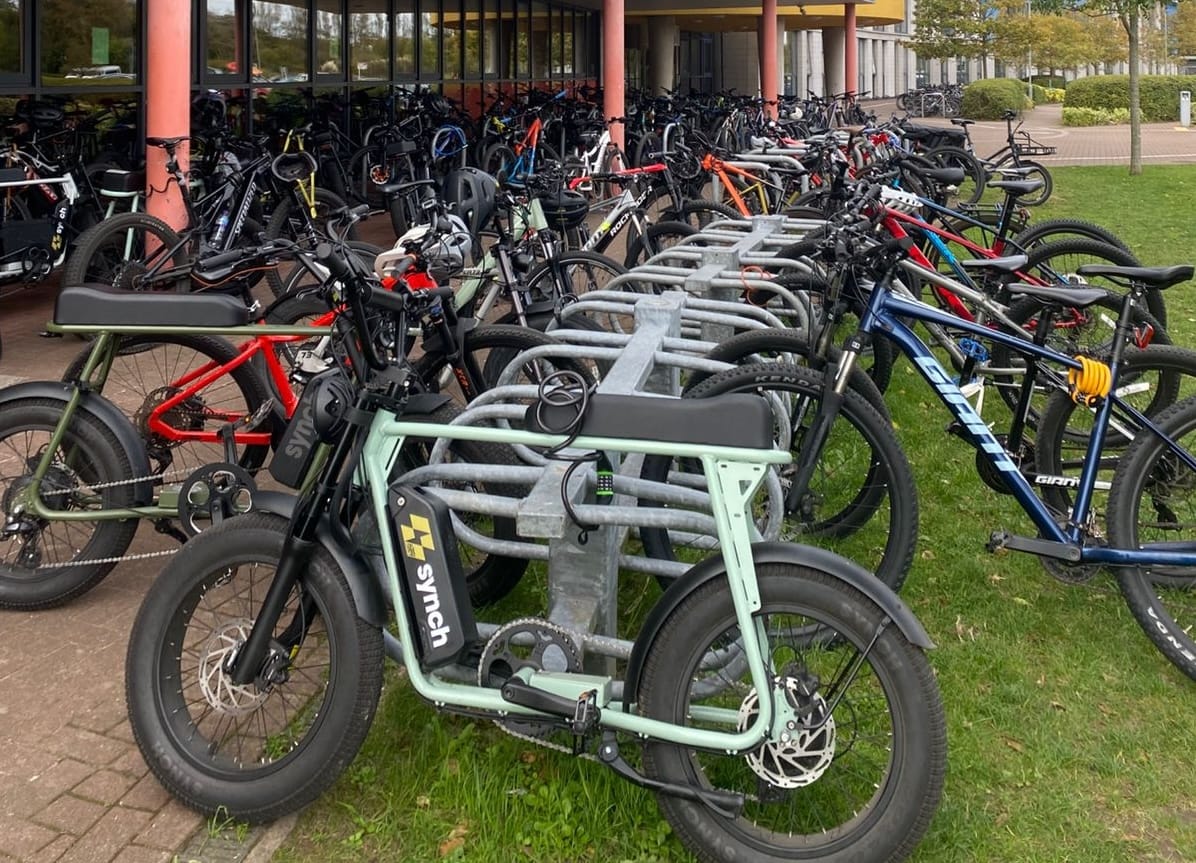
- Active travel to primary schools in Guernsey increased by 10 percentage points to 58% over 12 months.
- Secondary school active travel rose by 6 percentage points to 43%, with cycling increasing by 6%.
- Motorcycle usage among secondary students has decreased from 9% to 2%.
- The use of bicycles in secondary schools is now 19%.
- The Health Improvement Commission continues to promote active travel through various initiatives.
The Health Improvement Commission for Guernsey and Alderney has reported a notable increase in active travel to schools across the Bailiwick.
The data was confirmed by the School Active Travel Audit conducted in October.
The audit revealed that active travel to and from primary schools has grown by 10 percentage points over the past year, rising from 48% to 58%.
For secondary schools, active travel also saw a boost, increasing by 6 percentage points from 37% to 43%. In particular, cycling among secondary school students has risen by 6%.
The data indicates a drastic decline in motorcycle usage among secondary students. The use of motorcycles has decreased from 9% to just 2%.
In contrast, the popularity of bicycles has risen, with usage now at 19%, establishing a widening gap of 17 percentage points over motorcycle use compared to a mere 6 percentage point lead recorded 18 months ago.
Amy Woollaston, Active Travel Officer at the Health Improvement Commission, said: “It’s incredibly exciting to see active travel to and from Guernsey schools gaining real momentum. October 2025 marked a milestone, recording the highest combined levels of active travel across both primary and secondary schools since data collection began.”
Woollaston highlighted that recent collaborative efforts with secondary schools, including initiatives like St Sampsons’ School Street, have shown that lasting behavioural change is possible. Schools have reported consistent year-on-year increases in active travel.
 The Quarry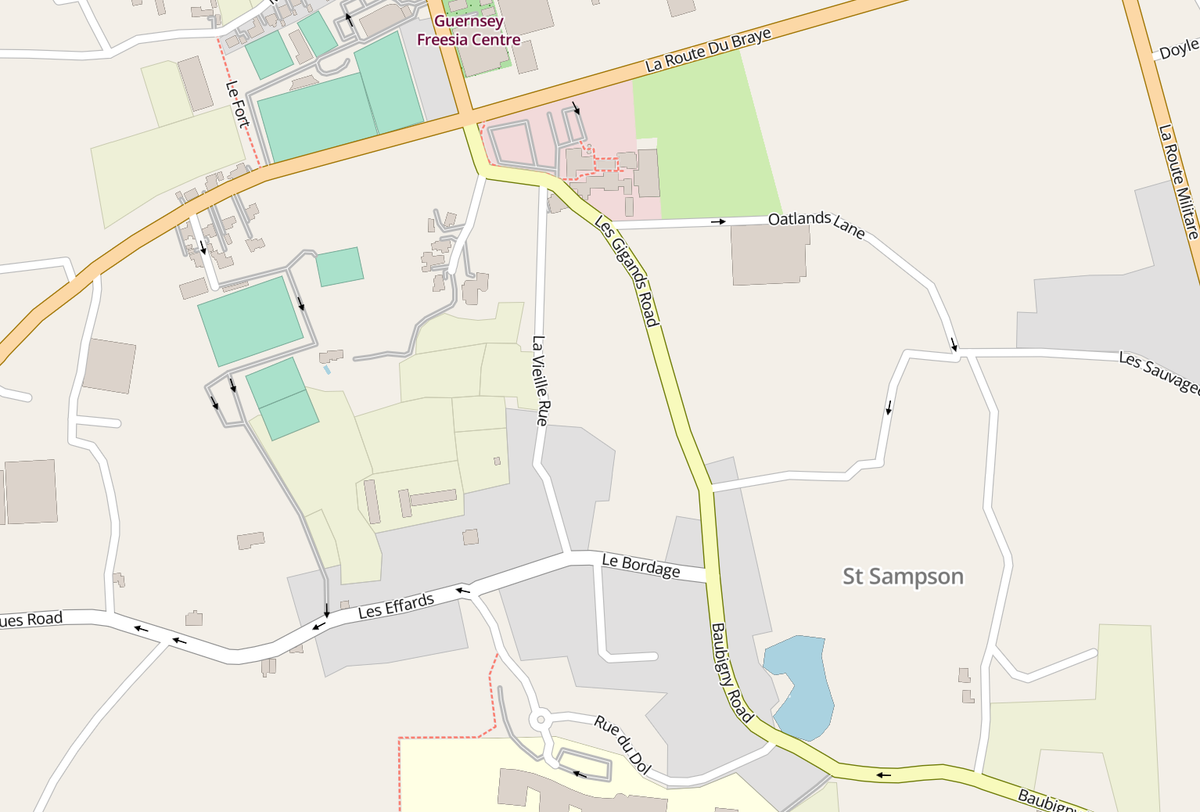
An encouraging trend observed is that as cycling gains traction among secondary school students, motorcycle usage continues to decline.
This shift may be influenced by the growing appeal of electrically assisted pedal cycles (E-bikes), which enhance accessibility and convenience for students.
The Commission acknowledged the need of maintaining momentum following Cycle to School Week.
Efforts are underway to assist more schools in their travel plans in collaboration with the Traffic and Highways team.
Additionally, the expansion of the 'Learn to Ride' after-school club aims to prepare students for Bikeability training.
This programme continues to offer effective, inclusive cycle training, with plans to extend focus on adult cycling skills, empowering families to cycle confidently together.
Woollaston added: “The upward trend in active travel is fantastic news - not just for student health, but also for the environment and for the success of strategies like the On-Island Integrated Transport Strategy.”
The Active Travel Audit was introduced by the Health Improvement Commission in 2020 and since 2022 has been conducted twice a year in May and October.
All schools ask children in each class how they travelled to and from school over two consecutive days.
Active Travel is defined as walking, cycling, scooting and blended travel, whereby someone might travel part of the journey by motorised vehicle and complete their journey by an active travel mode, sometimes referred to as ‘Park and Stride’.
Comments ()