
Scrutiny committee warns of 'material risks' in new major projects framework
- Scrutiny Management Committee warns of 'material risks' in proposed major projects framework despite welcoming structural improvements
- Committee unable to obtain complete records for Leale's Yard acquisition decision, calling this 'serious and material concern'
- Concerns raised about lack of financial transparency and risk of overextended pipeline with unrealistic delivery expectations
- Warning that revised framework could deliver 'procedural change alone' without addressing underlying governance weaknesses
- Committee criticises compressed consultation timetable and calls for stronger affordability discipline and accountability measures
The Scrutiny Management Committee has raised concerns about the States' proposed new approach to handling major projects, warning that material risks remain despite structural improvements.
In a detailed letter ahead of the forthcoming debate on Policy & Resources plans, committee president Deputy Andy Sloan highlighted issues including affordability discipline, transparency, delivery accountability, and project-level assurance.
The committee welcomed the proposed clearer, staged approach to project development and the establishment of a defined pipeline, calling it "a meaningful evolution" from previous arrangements. However, it warned that without addressing underlying issues, the revised framework risks delivering "procedural change alone" rather than genuine improvement.
"While the revised framework is welcome in structural terms, the Committee considers that a number of material issues remain either unresolved or insufficiently developed," the letter stated.
One key concern centres on affordability and prioritisation. The committee noted that affordability considerations are intended to be addressed primarily through the Medium-Term Financial Plan rather than as an explicit criterion at earlier project development stages.
"There is a risk that the Pipeline becomes overextended, with significant resource committed to the development of proposals that are unlikely to be deliverable within foreseeable fiscal constraints," the committee warned.
The letter also criticised a lack of financial transparency, observing that the Policy Letter "does not present a fully reconciled and transparent view of total project costs, funding sources, and the basis of estimates across the portfolio."
This leaves the Assembly with "a reduced and less complete understanding of the overall capital picture for which it remains ultimately responsible," according to the scrutiny committee.
Key terms
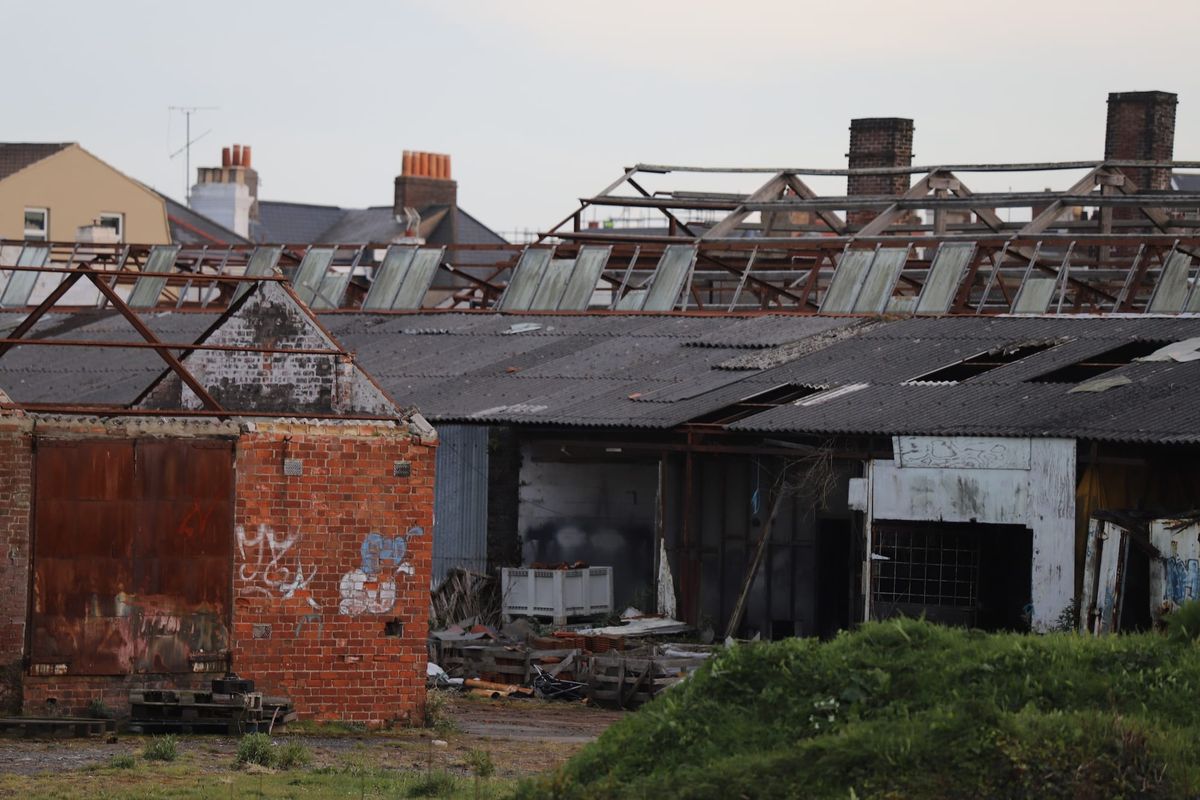
The committee highlighted particular concerns about the Leale's Yard development, which it has been examining as part of its ongoing review of the States Property Unit. Despite extensive engagement and repeated requests, the committee said it had been unable to obtain "a complete, coherent and auditable record" demonstrating the basis for the site acquisition decision.
"The Committee considers this to be a serious and material concern," the letter stated.
The scrutiny body noted that governance concerns it had previously raised about the Leale's Yard project, including issues with the proposed Political Oversight Group, "do not appear to have been substantively addressed."
"The absence of clearly evidenced business case development, structured options appraisal, quantified financial exposure and defined governance processes represents a significant departure from the standards expected for major public sector capital decisions," the committee wrote.
The letter warned that including the Leale's Yard project within the new portfolio framework risks "embedding within the new portfolio framework the very weaknesses that the revised approach is intended to address."
Broader concerns were raised about delivery capability and accountability. The committee noted limited evidence that underlying issues of delivery capacity and capability "have been fully resolved."
It also expressed concern about the absence of "a clearly defined single point of political and executive accountability for the delivery of the overall capital programme."
The new framework was described as materially rebalancing where control and discretion over the capital programme sit within the governance system, with "important implications for transparency, challenge, and accountability."
Regarding the scope of the pipeline, the committee warned that an extensive pipeline may "dilute focus and create unrealistic expectations regarding delivery." It called for a more explicitly prioritised pipeline aligned with realistic funding envelopes and delivery capacity.
The committee identified several essential conditions for success, including rigorous and transparent assurance of all portfolio projects against defined standards, sufficient structured information for proper Assembly scrutiny, and clear lines of accountability and decision-making authority.
"Absent these conditions, there remains a material risk that the revised portfolio arrangements will give the appearance of improved governance without, in practice, preventing the recurrence of the weaknesses that have characterised previous major project outcomes," the letter warned.
The committee also criticised the compressed timetable for consideration of the Policy Letter, warning against routine use of shortened consultation periods that risk "constraining proper consideration and reducing the level of scrutiny and challenge applied to matters of significant financial importance."
Despite the concerns raised, the committee described the Policy Letter as "a constructive and necessary step in reforming the States' approach to major capital projects" with potential to improve planning, transparency and strategic alignment.
However, it emphasised that effectiveness would ultimately depend on appropriate mechanisms to preserve transparency and Assembly oversight, clear financial discipline, robust prioritisation, strengthened delivery capability, and adherence to sound governance practices.
The committee welcomed the opportunity to scrutinise future proposals from the Policy & Resources Committee relating to project appraisal criteria, oversight arrangements, and reporting frameworks.
Q&A
Q: What are the main concerns raised by the Scrutiny Management Committee?
A: The committee identified material risks in affordability discipline, transparency, delivery accountability, and assurance at project level. It also raised specific concerns about the Leale's Yard project governance and warned that the framework could deliver procedural change alone without genuine improvement.
Q: What is the issue with the Leale's Yard development?
A: Despite extensive engagement and repeated requests, the Scrutiny Management Committee was unable to obtain a complete, coherent and auditable record demonstrating the basis for the site acquisition decision. The committee considers this a serious material concern and notes that previously raised governance issues appear unresolved.
Q: Does the committee support the new major projects framework?
A: The committee welcomes the structural improvements and describes the Policy Letter as 'a constructive and necessary step in reforming the States' approach to major capital projects.' However, it warns that effectiveness depends on addressing the material risks it has identified, particularly around transparency, accountability and governance practices.


Comments ()