
Reservoirs remain below average despite storm rainfall
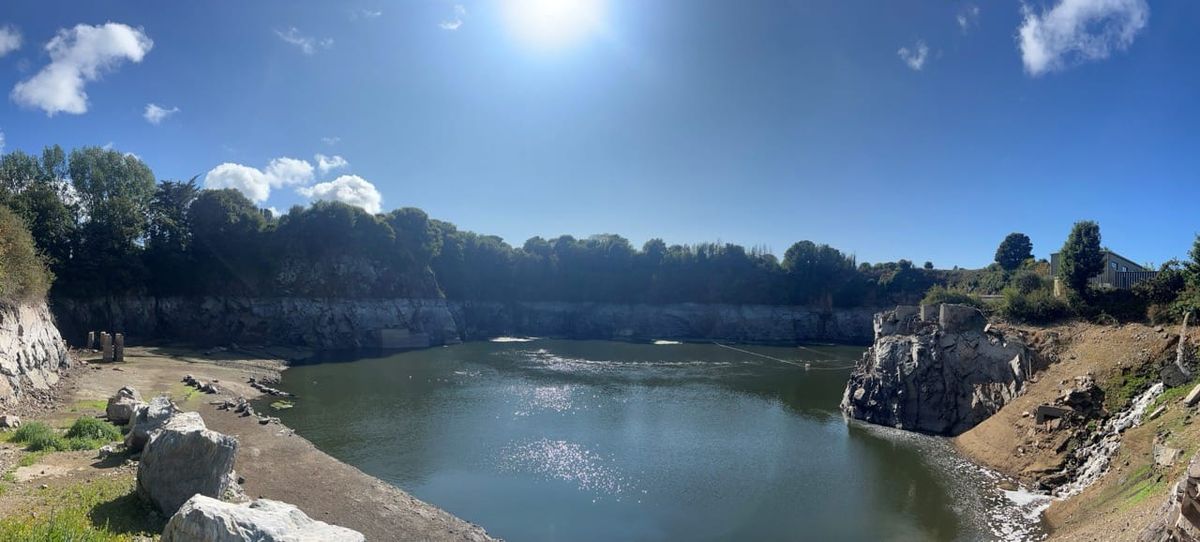
- Guernsey's reservoirs are 70% full, 10% below the decade average despite recent storm rainfall
- Storms Austen and Boelo added 100 million litres but levels dropped 50 million litres by 8th November
- Around 1.1 billion litres were drawn from storage between June and October
- Island avoided summer water restrictions whilst 30 million people in UK remain under restrictions
- Guernsey Water warns dry winter could strain supplies and make restrictions more likely next summer
Guernsey's reservoirs received a brief boost from recent storms but remain significantly below historical averages, prompting water officials to urge continued conservation efforts throughout the winter recharge period.
Storms Austen and Boelo delivered the first increase to reservoir levels since June, adding 100 million litres to storage. However, the improvement proved short-lived, with storage levels breaking even the following week before dropping by a further 50 million litres between 1st and 8th November.
Reservoirs currently stand at around 70% capacity, approximately 2% below levels recorded at the same time last year, 6% below the five-year average and 10% below the decade average. Between the beginning of June and the end of October, around 1.1 billion litres were drawn from storage.
Guernsey Water Operations Manager Jon Holt said: "The recent rain has been very welcome and has nudged our storage levels in the right direction. But a couple of wet days cannot do the whole job and downpours don't end droughts. Winter is our main recharge period, when we need sustained rainfall to replenish the water used during the summer."
The island managed to avoid water restrictions during an exceptionally warm summer, contrasting with the situation in the UK where around 30 million people remain subject to some form of water supply restriction.
However, Mr Holt warned that vigilance remains necessary as the winter recharge period begins. "Unless there is more sustained rain soon, that boost from the storms will have been used up by the end of November. A dry winter would place substantial strain on our supplies next summer and make restrictions more likely," he said.
Guernsey Water is encouraging residents to support its Every Drop Counts campaign during the winter months through several practical measures. These include checking homes and gardens for leaking taps, pipes and toilets, installing water butts where practical and affordable, and clearing leaves and debris from drains and gullies to help rainfall reach reservoirs.
These actions form part of a wider effort to build resilience as summers become hotter and drier, increasing demand at the same time as less water is available to collect.
The water company will also engage directly with local businesses during the winter, encouraging water audits and discussing practical preparations for periods when supplies may come under greater pressure.
Mr Holt added: "This is not about asking people to make drastic changes. It is about recognising that lots of small, sensible actions add up. We will continue to share regular updates throughout the winter."
Guernsey Water oversees more than 100 facilities across the island, ranging from pumping stations and water treatment works to sea outfalls, land and office buildings. The company provides potable water to over 25,000 homes and businesses and manages the collection and safe disposal of all the island's wastewater.
Q&A
Q: How full are Guernsey's reservoirs currently?
A: Reservoirs are currently around 70% full, which is approximately 2% below the same time last year, 6% below the five-year average and 10% below the decade average.
Q: How much water did the recent storms add to reservoirs?
A: Storms Austen and Boelo added 100 million litres to reservoirs, marking the first increase since June. However, 50 million litres were subsequently taken out between 1st and 8th November.
Q: What can residents do to support water conservation during winter?
A: Residents can check homes and gardens for leaking taps, pipes and toilets, install water butts where practical and affordable, and clear leaves and debris from drains and gullies to help rainfall reach reservoirs.

Comments ()