
Proposals announced for April by-election
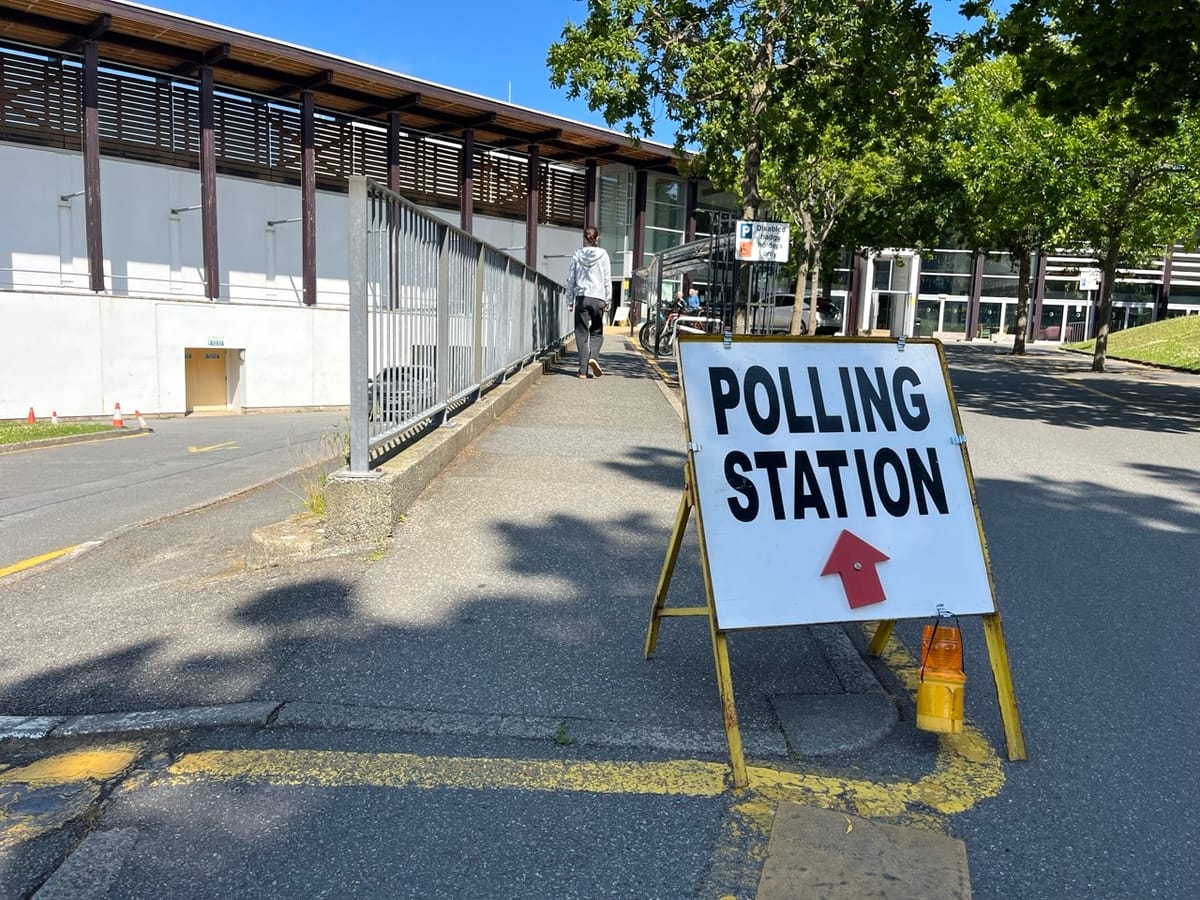
- A by-election will be held on 29th April, if States approves.
- The predicted cost is £75,000, aimed at minimising expenses.
- Proposals include closing the Electoral Roll on 25th April and a postal voting application deadline on 10th April.
- Beau Sejour will be the main polling station, with another two stations to be confirmed.
- A manifesto booklet for candidates will not be produced to save costs.
The States’ Assembly & Constitution Committee has proposed that a by-election is held on Wednesday 29th April.
A seat was left vacant after Jonathan Le Tocq was jailed for nine years.
SACC is seeking States approval for the proposed by-election date, polling places, limits on candidate expenditures, and arrangements for postal voting.
If approved, those registered for the previous General Election in June 2025 will remain on the Electoral Roll to be able to vote in this by-election.
Among SACC's proposals are:
- The by-election is set for 29th April 2026.
- The Electoral Roll will close on 25th April.
- Postal voting applications must be submitted by 10th April.
- Candidate expenditure limits will match those of the General Election - £3,000 for individuals.
- Beau Sejour will serve as the primary polling station, with two additional locations to be identified through discussions with local parishes.
- Candidates' manifestos will be published on a dedicated election website, while a printed manifesto booklet will not be distributed.
Deputy Sarah Hansmann Rouxel, President of SACC, said: “Our Committee has sought to develop proposals for the by-election that are efficient, proportionately and keep costs to a minimum while ensuring a fair process for candidates.”
She noted that this by-election will implement the island-wide voting system, providing voters with a familiar experience similar to the last two General Elections.
“The States will once more provide candidates with the opportunity to put their manifestos, videos and other details online via a dedicated election website, and the Committee anticipates that the local media will provide significant coverage, as they did in June last year.
“As such – and in line with our commitment to reduce costs wherever possible - the Committee concluded that it will not be necessary to produce and post a manifesto booklet to all households where someone is registered on the Electoral Roll.
“This represents a considerable saving. Candidates will of course be free to produce some printed copies of their manifesto to make available to any voters expressing a preference for a printed copy.”
The proposals are due to be debated by the States at the end of this month.


Comments ()