
Planning to “champion development in urban areas”
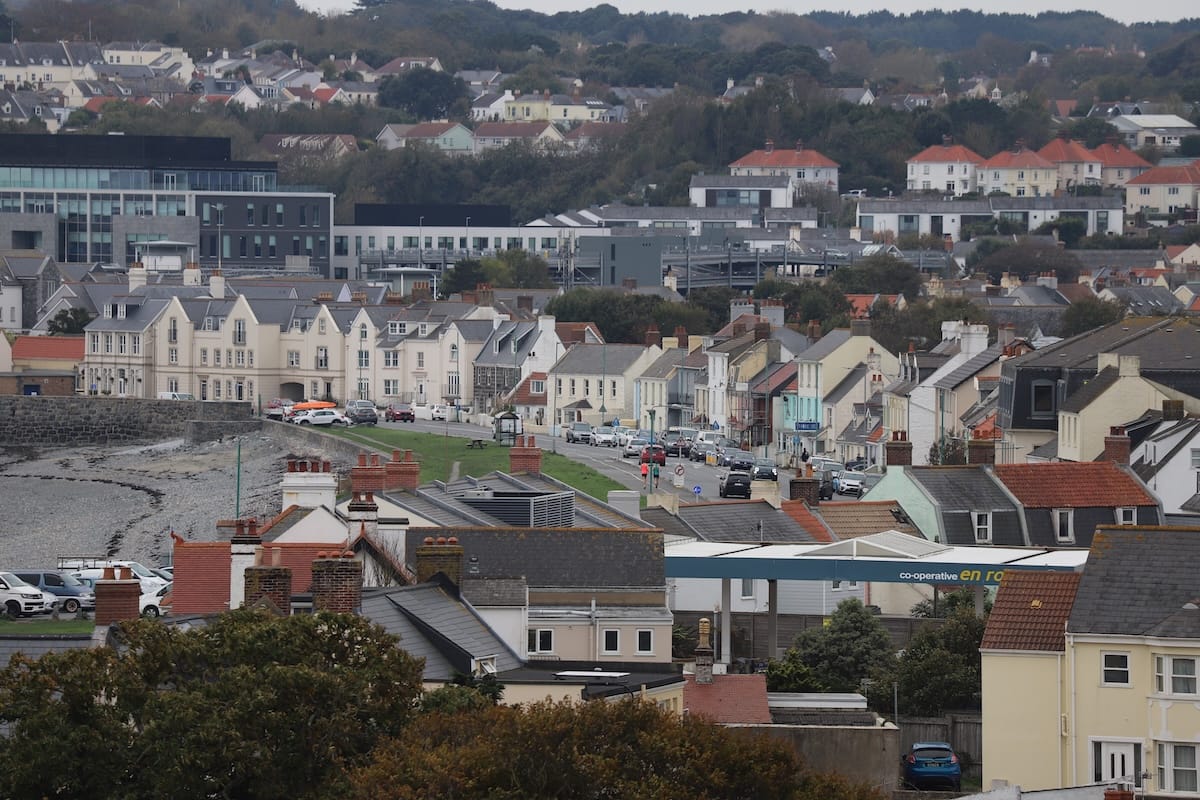
- Deputy Neil Inder has outlined his priorities as President of the Development & Planning Authority.
- The DPA will engage with various stakeholders, including political committees and environmental groups.
- Urban development will be favoured in existing areas to protect green spaces.
- Initiatives include relaxation of rules on annex use to address housing shortages.
- Fair treatment in planning applications is emphasised, with a focus on biodiversity and building energy efficiency.
Deputy Neil Inder, the new President of the Development & Planning Authority, has identified key priorities to improve urban development and ensure fairness in planning processes.
His focus is on greater engagement with political committees, environmental organisations, and developers to foster collaboration and address community concerns.
The DPA aims to champion urban development in established areas, thereby minimising the need for green field development - something already baked in to States planning policies.
Inder stated, "Guernsey needs to develop more homes, but I firmly believe that there are spaces in St Peter Port and other urban areas where development should be focused."
 The Quarry
He advocates for repurposing existing properties and making minor extensions that accommodate multi-generational living.
An important focus of Inder's approach is on ensuring equitable treatment for all individuals involved in planning applications.
He remarked that there’s a perception of unequal treatment depending on one’s identity or location, asserting, "If you put in a planning application, you need to know that it will be treated fairly."
Inder also highlighted the necessity to protect biodiversity and wildlife during development activities. He pointed out the DPA’s limitations in this area, indicating that "the DPA can only act with the powers that it has."
“The DPA is powerless to protect what we’re seeing in terms of pre-site clearance and ensuring new developments are seeing biodiversity net gain. We need to quickly meet with those who have an interest in this area and those with the powers to act to sort this out.”
The DPA is seeking to liaise with relevant parties to enhance environmental protections and ensure that new developments contribute positively to biodiversity.
In terms of maintaining the character of older buildings while allowing modern improvements, Inder expressed that solutions must be considered.
He suggested that allowing listed buildings to have "either single or triple glazed windows as a presumption of development" could enhance energy efficiency without compromising historical integrity.
The DPA is in the process of making policy adjustments to facilitate the use of dower units, which would provide more housing options. These developments will be consolidated in a forthcoming Policy Letter to be presented to the States.
"The Development and Planning Authority has a story to tell, and it’s an integral part of the economy."


Comments ()