
One in three young people uncertain about staying in Guernsey, major health report reveals
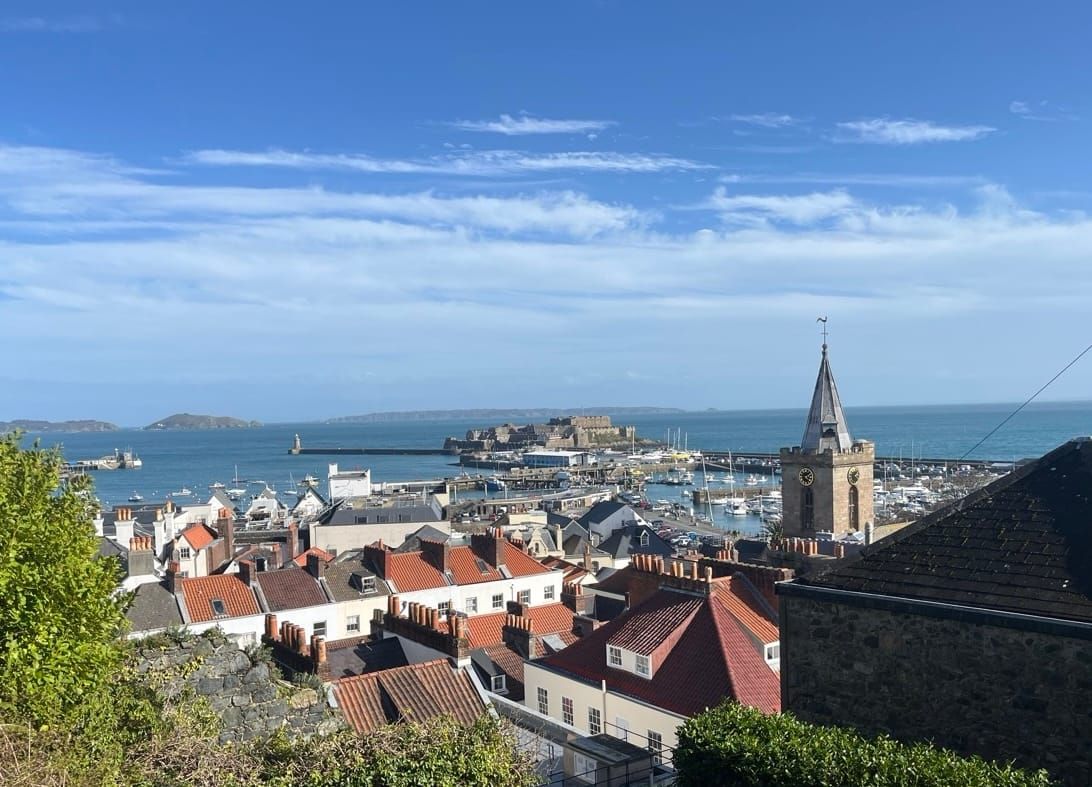
- 37% of young people aged 16-24 are unsure whether they will stay in Guernsey after education, with only 27% confident they will remain
- Road transport costs, lack of activities and education quality emerged as the top three current concerns among 200 young people surveyed
- 26.4% of 16-24 year-olds reported low mental wellbeing, more than double the all-age population rate, with no young women reporting high wellbeing
- Cost of living, housing affordability and off-island travel expenses ranked as the top three future concerns
- Guernsey's median age of 43 years and declining birth rates highlight demographic challenges, with deaths averaging 652 per year compared to 462 births
More than a third of young people in Guernsey are unsure whether they will remain on the island after completing their education, according to the latest Medical Officer of Health report.
The 118th annual report, which focuses on the experiences of 16 to 24-year-olds in the Bailiwick, found that 37 per cent of young people are uncertain about their future on the island, with 36 per cent confident they will leave and only 27 per cent sure they will stay.
Dr Nicola Brink MBE, Medical Officer of Health and Director of Public Health, warned that this significant uncertainty presents both a risk and an opportunity for Guernsey and Alderney.
"What, then are we asking of our politicians and senior leaders? We are asking them to listen, hear and act on the views of young people; to move beyond short-term solutions and take a long-term view that supports future generations; and to invest in prevention, opportunity and the wider determinants of health such as housing, education and employment," Dr Brink said. "Failure to prevent the preventable is not acceptable."
Approximately 200 young people participated in nine focus groups held in March 2026, providing insights into the current and future challenges of living in the Bailiwick.
The most frequently mentioned concern among participants was road transport, with fuel costs, bus prices, car insurance and driving test expenses all cited as significant financial burdens. Infrastructure issues including narrow roads and potholes, frequent road closures and dangerous drivers also featured prominently.
A lack of activities emerged as the second most pressing issue, with young people expressing frustration at having nothing to do, particularly during winter months. Participants said they wanted facilities such as bowling alleys, arcades, trampoline parks, water parks and indoor minigolf.
"Winter = snoozefest," one participant noted, whilst others complained that activities either do not exist or are very expensive.
Education ranked third among current concerns, with particular criticism directed at teacher quality and retention. One participant reported having "6+ physics teachers in GCSEs", which they said affected exam results due to temporary, non-subject-specific staff. Higher education issues, including universities not being funded and limited options, were also raised, alongside concerns about system instability and the physical disrepair of school buildings.
The cost of living, the expense of travelling off-island and housing costs were also identified as major challenges. When ranked by weighted responses, these issues scored 92, 87 and 76 respectively, with housing concerns predominantly focused on affordability.
Justice and crime issues, particularly sexual harassment and sexual crimes, emerged as a concern. Participants mentioned catcalling and safety concerns for women, with some expressing dissatisfaction with the justice system "not taking us seriously with calls". Lighting and nighttime safety, racism and online safety were also raised.
Healthcare costs featured prominently, with young people complaining that doctor prices are too high. Mental health support emerged as a particular area of concern, with participants highlighting the need for pastoral support and the lack of free or accessible mental health services. Communication between the NHS and the Medical Specialist Group for off-island care was also criticised.
The lack of job opportunities scored highly, with 62 points specifically attributed to limited options on the island. Some participants also expressed concern about artificial intelligence taking jobs.
Environmental issues included concerns about the cleanliness of public toilets, empty or abandoned hotels in the built environment, and plastic in the sea. Other worries included food costs and the lack of fast-food options, lack of youth voice, income inequality, the threat of GST and sport opportunities.
When asked to rank future concerns using pre-prepared cards, the cost of living in Guernsey being too high emerged as the top worry, followed by buying or renting somewhere to live being too expensive, and getting off the island being too expensive.
Concerns about there not being enough people working and paying taxes for the government to provide needed services, and the government not listening to the concerns of young people, rounded out the top five future worries. Climate change, getting a desired job, mental health and wellbeing, and digital threats were also ranked as significant future concerns.
The findings from the focus groups were supported by data from the Guernsey and Alderney Wellbeing Survey 2023, which revealed that 26.4 per cent of 16 to 24-year-olds reported low mental wellbeing, more than double the rate for the all-age population of 12.1 per cent.
Strikingly, among young women aged 16 to 24, there were no responses indicating high mental wellbeing. The survey also found that only 4.5 per cent of 16 to 24-year-olds agreed with the statement "I have a say in what government does", compared to 10.3 per cent overall, with females showing lower agreement than males.
The report highlights significant demographic challenges facing the Bailiwick. As of December 2023, Guernsey's population stood at 64,781 and Alderney's at 2,187. The median age in Guernsey is 43 years and in Alderney 56 years, compared to 40 years in England.
Birth trends show a declining pattern, with a three-year average of 462 births annually between 2022 and 2024, despite a stable number of women of reproductive age. Meanwhile, deaths have averaged 652 per year over the same period, with 2022 seeing 680 deaths, the highest figure in 18 years.
The report warns that "a demographic challenge looms: a shrinking younger population exists alongside increasing demand for health and social care from our older, larger cohorts. This reinforces the vital role of preventative programmes to protect and improve the health and wellbeing of islanders and the importance of retaining and supporting young people."
Despite the challenges identified, young people also expressed appreciation for Guernsey as a safe, close-knit environment with natural beauty, strong family and social connections, and low crime rates. Beaches and the natural environment were frequently cited as important positives.
The report notes that young people's uncertainty about their future "shows that there is time yet to influence their choices: targeted improvements in affordability, entertainment and engagement could encourage young people to stay or return."
The Public Health Services annual report, included as an appendix, revealed that 77 per cent of planned activities were completed in 2025, the same rate as in 2024, with 14 additional unplanned tasks also undertaken.
Major achievements during the year included completing a Joint Strategic Needs Assessment for Substance Use, expanding the Healthy Minds service for developmental trauma, strengthening screening programmes, enhancing vaccination and outbreak preparedness, and improving laboratory capability including testing for PFAS, known as "forever chemicals".
The cervical screening programme underwent a significant change in 2025, with the interval between tests extended from three years to five years for the 24.5 to 49 age group. This change was deemed safe due to the HPV testing method, which detects problems earlier. The World Health Organisation notes that almost all cervical cancer cases are associated with HPV infection, and it takes 10 to 15 years for cancer to develop after infection.
The breast screening programme achieved coverage of 78.5 per cent of eligible women, slightly below the 80 per cent target, but uptake reached 81.8 per cent, ahead of the target. The cancer detection rate per 1,000 women screened was in line with England.
The diabetic retinopathy eye screening programme added a new surveillance aspect in 2025, allowing people with certain retinopathy levels to be monitored by optometrists at regular intervals, removing the need for specialist waiting lists in many cases.
In newborn screening, a new condition was added to the blood spot screening programme in September 2025. Hereditary Tyrosinaemia type 1 brought the total number of rare conditions screened to ten.
The Healthy Minds service, which provides primary care mental health support for adults aged 18 and over with mild-to-moderate difficulties, was expanded in 2023 to include complex psychological trauma. The service developed a post-incident psychological support service and conducted research on group EMDR for birth trauma, with staff invited to present findings at the EMDR Association UK conference in March 2026.
The sexual and reproductive health service at the Orchard Centre achieved a significant milestone when a second nurse obtained the Faculty of Sexual and Reproductive Health diploma in 2025, meaning the service now has two qualified non-medical prescribers.
The States Analytical Laboratory installed new equipment for testing PFAS in water, with on-island testing due to start at the end of the year. The laboratory also continued its Tiger Mosquito surveillance programme between June and October, finding no evidence of the species in the Bailiwick. The Tiger Mosquito is a vector for Chikungunya, Zika and Dengue fever, and is spreading internationally due to climate change.
Public Health Nursing faced staffing challenges that necessitated prioritising the most vulnerable children, but successfully upgraded its clinical recording system and patient-facing rooms at Lukis House. New 18-month immunisation appointments are due to start in January 2026, including an earlier MMR booster plus chickenpox protection.
The school nursing service developed a three-tier vaping cessation pathway with Action for Children, including a self-help booklet, behaviour change support and nicotine replacement therapy. The school nurse was promoted to a Children in Care Nurse role, expanding support to care-experienced young people up to the age of 25.
The health visiting service experienced significant capacity issues due to retirements but recruited experienced UK health visitors and supported a staff nurse undertaking a postgraduate qualification, due to complete in August 2026.
The Quitline Stop Smoking Services made progress on opt-out referrals for hospital in-patients and reintroduced the prescription medication Varenicline in early 2025.
The Ramblers Wellbeing Walks programme runs 30-minute group walks each weekday at various venues, with 25 to 28 walks held monthly. Average attendance ranges from 10 to 17 participants per walk, with up to 30 at Saumarez Park.
Public Health is also contributing to wider strategic work, including smartphone and social media platform research for an island-wide digital strategy, a dementia framework focusing on 14 modifiable risk factors, palliative and end of life care strategy development, and reviewing approaches to infectious disease detection, prevention and treatment.
In 2025, formal mapping and gap analysis of the Bailiwick's compliance with the World Health Organisation's International Health Regulations treaty was completed with the Law Officers of the Crown.
The report acknowledges limitations in its methodology, noting that the focus groups are not statistically representative of all young people and may exclude non-engaged youth. However, consistency across groups and alignment with the Wellbeing Survey strengthens confidence in the relevance of the findings.
The report concludes that "Guernsey offers a high-quality environment for young people, but there is a clear and urgent need to ensure it remains affordable, inclusive and opportunity rich. Addressing structural barriers - particularly cost of living, housing and access to opportunities - while embedding young people's perspectives in policy development will be critical to securing a vibrant, healthy and sustainable future population."
Dr Brink challenged readers to consider what role they could play "whether in your professional or personal life, to building a better future for young people in our islands".
The report aligns with the Government Work Plan 2026-2029 priority on addressing the wider determinants of health and strengthening the focus on early years and families.
Q&A
Q: What percentage of young people are unsure about staying in Guernsey?
A: 37% of young people aged 16-24 are unsure whether they will remain in Guernsey after completing their education, with 27% confident they'll stay and 36% confident they'll leave.
Q: What are the top three current concerns for young people?
A: The top three concerns are road transport (particularly costs including fuel, bus prices and insurance), lack of activities (with young people wanting facilities like bowling alleys and trampoline parks), and education quality (especially teacher retention and higher education funding).
Q: How does mental wellbeing compare between young people and the general population?
A: 26.4% of 16-24 year-olds reported low mental wellbeing, more than double the all-age population rate of 12.1%. Among young women aged 16-24, there were no responses indicating high mental wellbeing.

Comments ()