
Marine biosecurity guide launched to combat invasive species threat
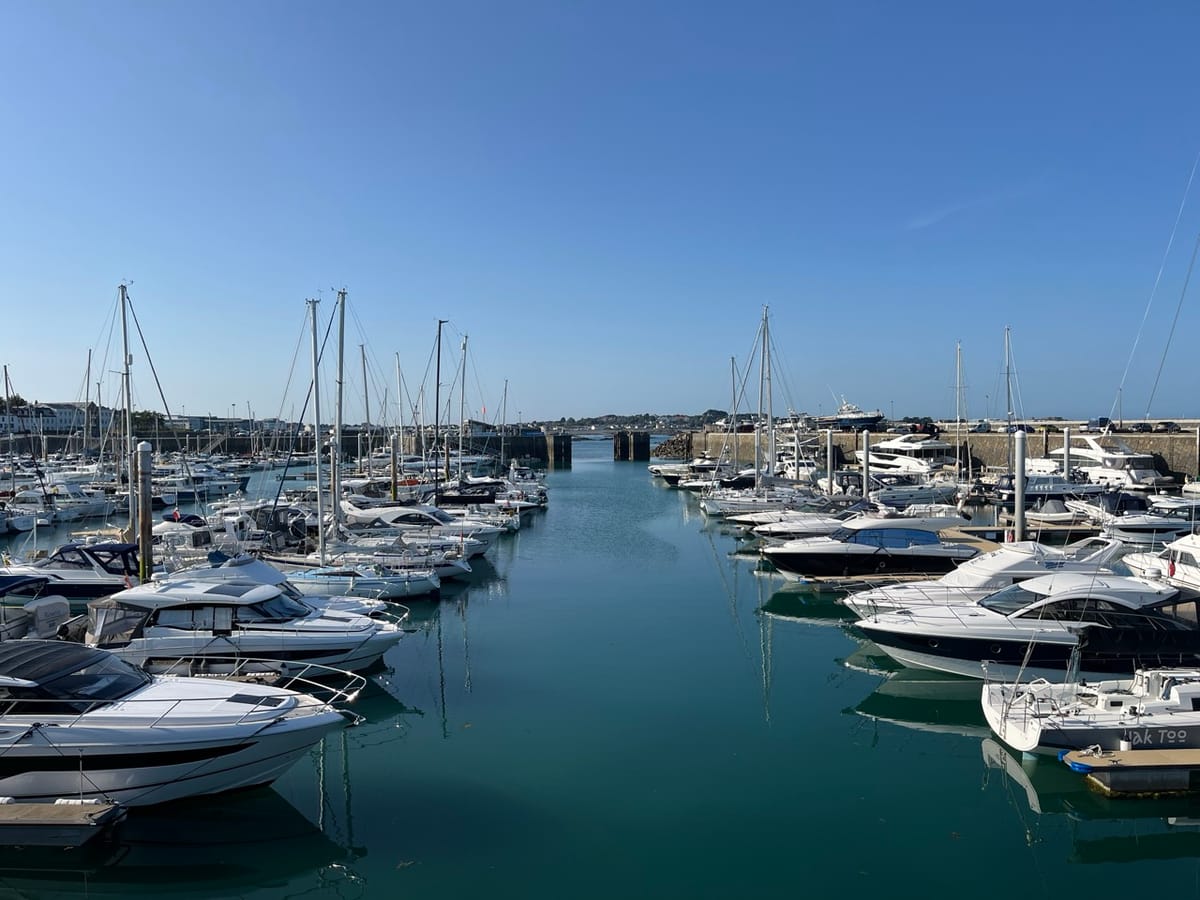
- New Marine Biosecurity Guide launched by ACLMS and Guernsey Ports to help prevent spread of invasive species in marine environment
- Guide promotes 'Check, Clean, Dry' approach for all marine users from swimmers to commercial fishermen
- Invasive species pose significant threat to biodiversity and could damage boats, harbours and limit fishing production
- Japanese wireweed already present in Guernsey waters, with hundreds more potentially invasive species on the horizon
- Key information available at gov.gg/marinebiosecurity with posters and leaflets to be distributed to businesses and recreational users
A new Marine Biosecurity Guide has been published to help islanders prevent the spread of invasive species, pests and disease in Guernsey's marine environment.
The guide, launched today by Agriculture, Countryside and Land Management Services and Guernsey Ports, was developed in collaboration with marine users to ensure advice is practical and easily implemented.
Invasive species pose one of the greatest threats to biodiversity globally and carry significant economic impacts. Locally, the consequences could include damage to boats, pontoons and harbour infrastructure, as well as limitations to fishing and seafood production.
Once established, invasive species are extremely difficult and costly to control, making simple preventative actions by everyday marine users one of the most effective ways to protect Guernsey's seas.
The guide provides practical, easy-to-follow guidance for recreational water users, helping people keep Guernsey's waters safe, accessible and enjoyable for everyone. It also includes advice for businesses operating in and around the sea, such as those involved in commercial fishing and shipping.
By taking a few simple steps, marine users can help protect Guernsey's beaches, harbours, wildlife and marine industries for the future.
What's the threat and what should be done?
The carpet sea squirt, which was detected in St Peter Port in 2024 and is being actively controlled, serves as a local example of the threat. This species, native to Japan, fouls infrastructure and equipment whilst smothering native species including protected seagrass and commercially important oysters.
Other species highlighted in the guide include the American slipper limpet, which is present in Guernsey and causing significant impacts in Jersey, and oyster herpesvirus, from which Guernsey currently remains free.
The guide identifies five main pathways through which marine invasive species can arrive: recreational boating, commercial shipping, coastal and offshore industry, recreational water use, and commercial fishing and aquaculture. Species can be transported as eggs, larvae, juveniles, adults or viable fragments, often surviving in damp environments for extended periods.
For recreational boaters, the guide recommends regular checking of boats for fouling on immersed surfaces, ensuring adequate antifouling treatment, and cleaning ropes and anchor equipment. Marina operators are advised to implement clean boat policies and provide biosecurity cleaning facilities.
Commercial shipping faces particular scrutiny, with recommendations including restrictions on ballast water discharge and hull fouling inspections. Port authorities are encouraged to carry out inspections on visiting vessels and restrict entry of heavily fouled ships.
The fishing and aquaculture sectors are advised to avoid using live bait from outside the Bailiwick and to quarantine stock before introduction to sites. Equipment should be regularly cleaned, preferably with freshwater, and unused materials removed from the water.
Coastal and offshore industries must ensure licensing conditions are met and conduct thorough risk assessments for their activities. This includes evaluating vessel movements, cleaning requirements and equipment transfer protocols.
While there is specific guidance for each group, one of the key messages for every marine user, from sea swimmer to commercial fisherman, is 'Check, Clean, Dry':
- Check your equipment, boat and clothing after leaving the water for animals, plants and other debris. Remove anything you find and leave it at the site. - Clean everything thoroughly as soon as you can, paying attention to areas that are damp or hard to access. Use specific cleaning stations, if available, and preferably hot water, if possible. - Dry everything for as long as possible before using it elsewhere - some invasive non-native species can survive over two weeks in damp conditions.
The guide also encourages people to report invasive non-native species that they might see when out and about.
Key information from the guide has been published at gov.gg/marinebiosecurity.
Posters will also be sent out to relevant businesses and leaflets made available to recreational boaters to help spread the message about protecting Guernsey's biodiversity. Advice to specific groups, which can be found in the guide, will be publicised over the coming weeks.
Julia Henney, Senior Natural Environment Officer, said: "There are many marine invasive species already in Guernsey's waters. Marine users may be only too familiar with Japanese wireweed, an invasive seaweed that tangles around swimmers, oars and paddles. But there are hundreds more potentially invasive species on the horizon which could cause significant environmental, social and economic impacts if they were to enter our waters. The guidance published today aims to promote best practice guidance for marine users to help prevent invasive species from entering and spreading around our marine environment – as once these species get here, they are almost always impossible to remove."
James Way, Harbour Master – Guernsey Ports, said: "We know from other jurisdictions the severe impact some invasive non-native species can have on both commercial fisheries and port infrastructure, and six figure sums could be incurred in removal costs to prevent operational disruption, should they become established in future years. As the risk is only going to increase as the sea temperatures rise, Guernsey Ports will develop Operational Procedures to prevent both establishment and spread, and continue to train our staff to identify and report invasive non-native species as they go about their duties.
"As the Harbours are likely to be invasive non-native species hotspots, we also have a duty of care to our Bailiwick to ensure we are doing what we can to reduce wider impacts, and we are pleased to be working with ACLMS to both create our own Biosecurity Plan, and spread the important 'Check, Clean, Dry' message to our customers and stakeholders."
Q&A
Q: What is the 'Check, Clean, Dry' approach?
A: Check your equipment for animals, plants and debris after leaving water and remove anything found; clean everything thoroughly with hot water if possible; dry everything for as long as possible before using elsewhere as some species can survive over two weeks in damp conditions.
Q: What damage could invasive species cause in Guernsey?
A: Invasive species could damage boats, pontoons and harbour infrastructure, as well as limit fishing and seafood production. Removal costs could reach six figure sums and cause operational disruption.
Q: Where can people find more information about marine biosecurity?
A: Key information is available at gov.gg/marinebiosecurity, with posters being sent to businesses and leaflets made available to recreational boaters over the coming weeks.


Comments ()