
Inspector recommends pursuing six extra affordable housing sites to address ‘material’ shortfall, but DPA does not want to go so far
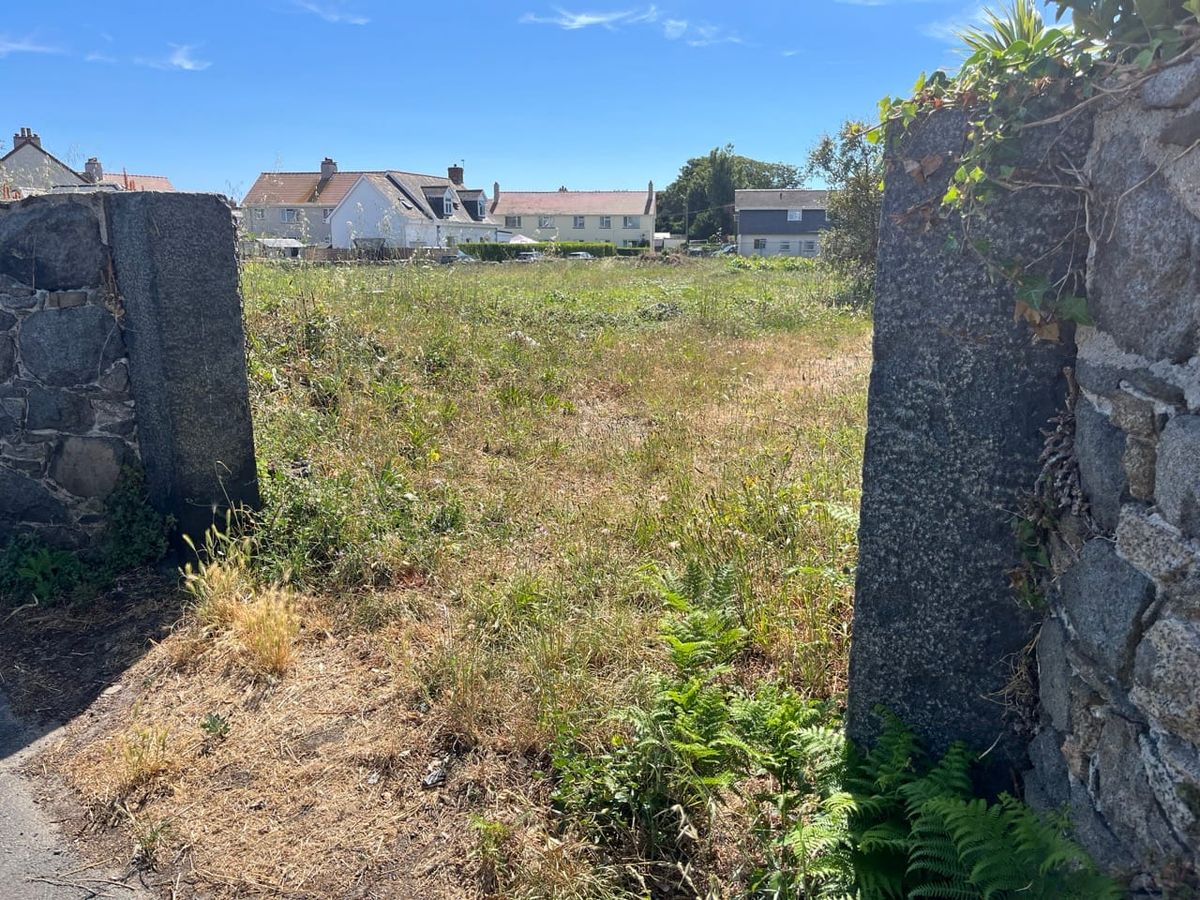
- Independent planning inspector identifies 'material shortfall' in affordable housing land with only 17-unit surplus over six years, compared to 706-unit surplus for private market housing
- Inspector Keith Holland recommends adding six new sites at Cobo, L'Islet, St Martin, Castel, and Forest to create 'buffer supply' for affordable housing development
- Development & Planning Authority accepts only two recommended sites (Springhurst House and Sandy Hook) while rejecting four others and inspector's advice to scrap Vazon local centre designation
- Guernsey delivered average of just 34 affordable units annually from 2015-2024, 'very significantly below' identified need, with large projects risking delays from contamination and infrastructure issues
- Inspector recommends lowering Policy GP11 threshold from 20 to five dwellings and establishing firm Benchmark Land Values to prevent developers using speculative land prices to avoid affordable housing obligations
An independent planning review has warned of a "material shortfall" in land being earmarked for affordable housing in Guernsey, leading to a recommendation that six new sites be added to the list for development.
The findings, published by Planning Inspector Keith Holland following a "focused review" of the Island Development Plan, suggest that the current draft strategy relies too heavily on a few large-scale projects, which risk being delayed by contamination or infrastructure hurdles.
While the Development & Planning Authority has moved to accept two of the additional recommended sites, it has rejected the remaining four and dismissed the Inspector's call to scrap a controversial new "local centre" at Vazon. The States will have the final say on the DPA’s recommendations.
A “nominal” surplus
In a detailed assessment of the island's housing needs, Mr Holland found that while there is a "convincing" surplus of land for private market housing, estimated at 706 units, the affordable housing sector is in a much more precarious position.
The Inspector noted that the current land supply for affordable housing shows a surplus of just 17 units over the next six years. He described this margin as "nominal," warning that it leaves no room for error if large sites, such as those at Saltpans, fail to deliver the anticipated number of dwellings.
Between 2015 and 2024, Guernsey delivered an average of only 34 affordable units per year, a figure the report describes as "very significantly below" the identified need.
The six additional sites
To create a "buffer supply," the Inspector identified six specific sites that he believes are available for development in the short term and should be added to DPA’s initial list of seven plots for affordable housing. These are:
Route de Carteret, Cobo: A former glasshouse site well-related to the local centre with good access.
Rear of Cranfield House, L’Islet: Despite a dispute over its biodiversity value, the Inspector concluded the land was "intensively managed, improved grassland" with negligible habitat merit.
Le Penage, St Martin: Reinstated after the owner, who previously wanted the land for private housing, agreed to an affordable housing designation.
Field at the rear of L’Aumone House, Castel: Located adjacent to a current development where infrastructure is already being provided.
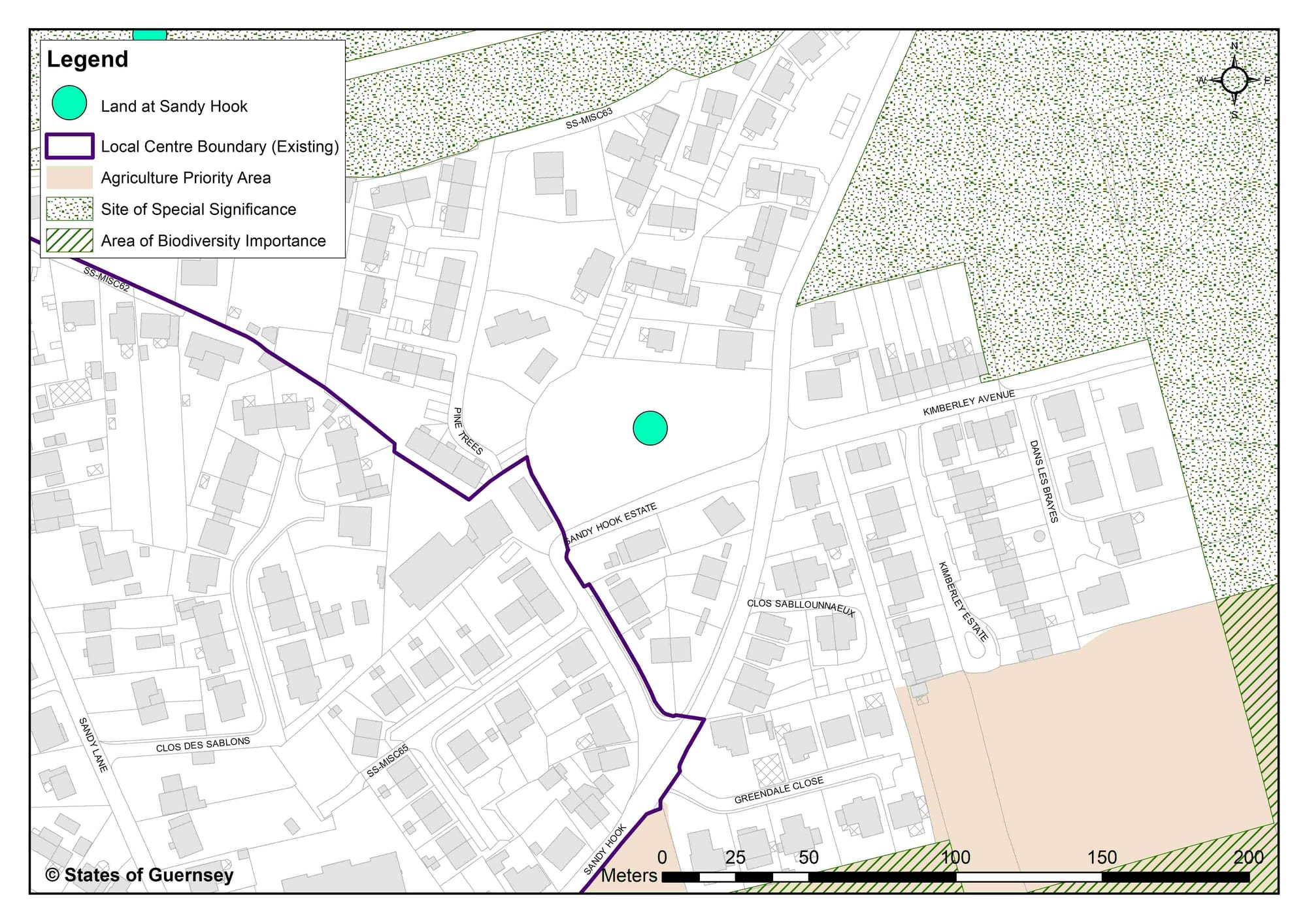
Sandy Hook, L’Islet: A site described as very well-related to existing residential areas, retail facilities, and public transport.
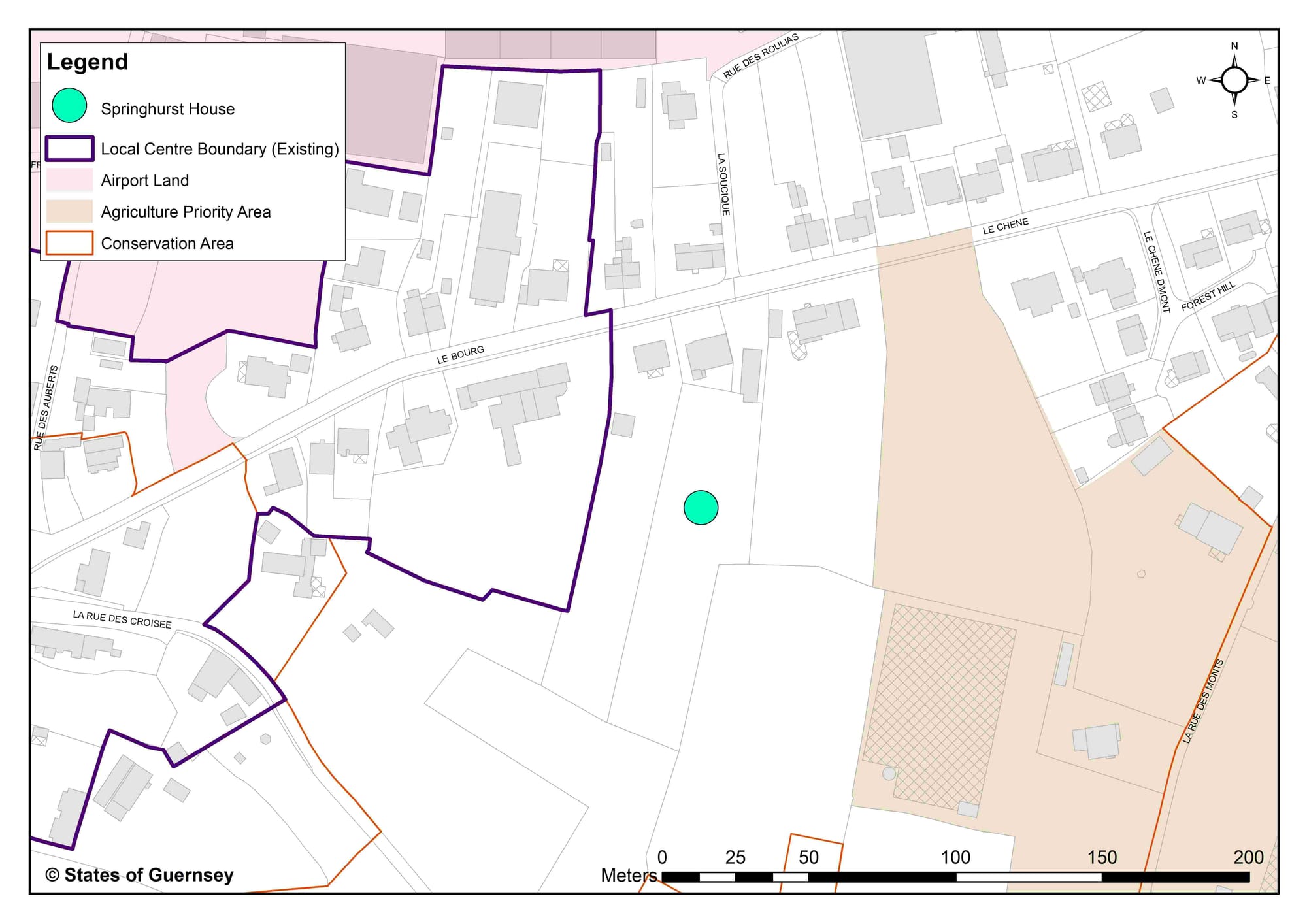
Springhurst House, Forest East: A mix of brownfield and greenfield land intended to help spread development more evenly to the western side of the island.
The DPA confirmed it would now propose adding Springhurst House and Sandy Hook to its list of sites. However, it has not included the other four recommended locations in its current policy letter.
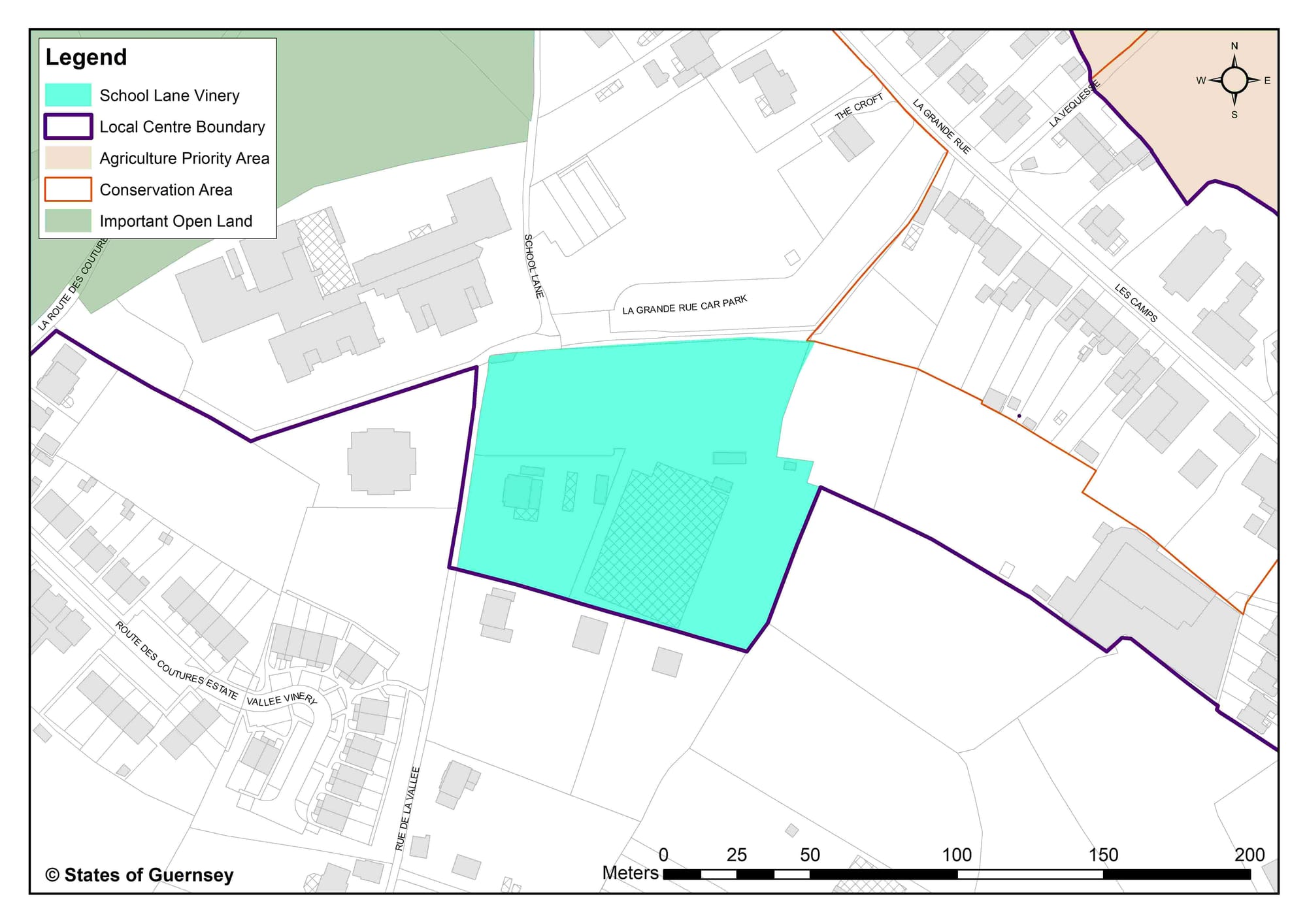
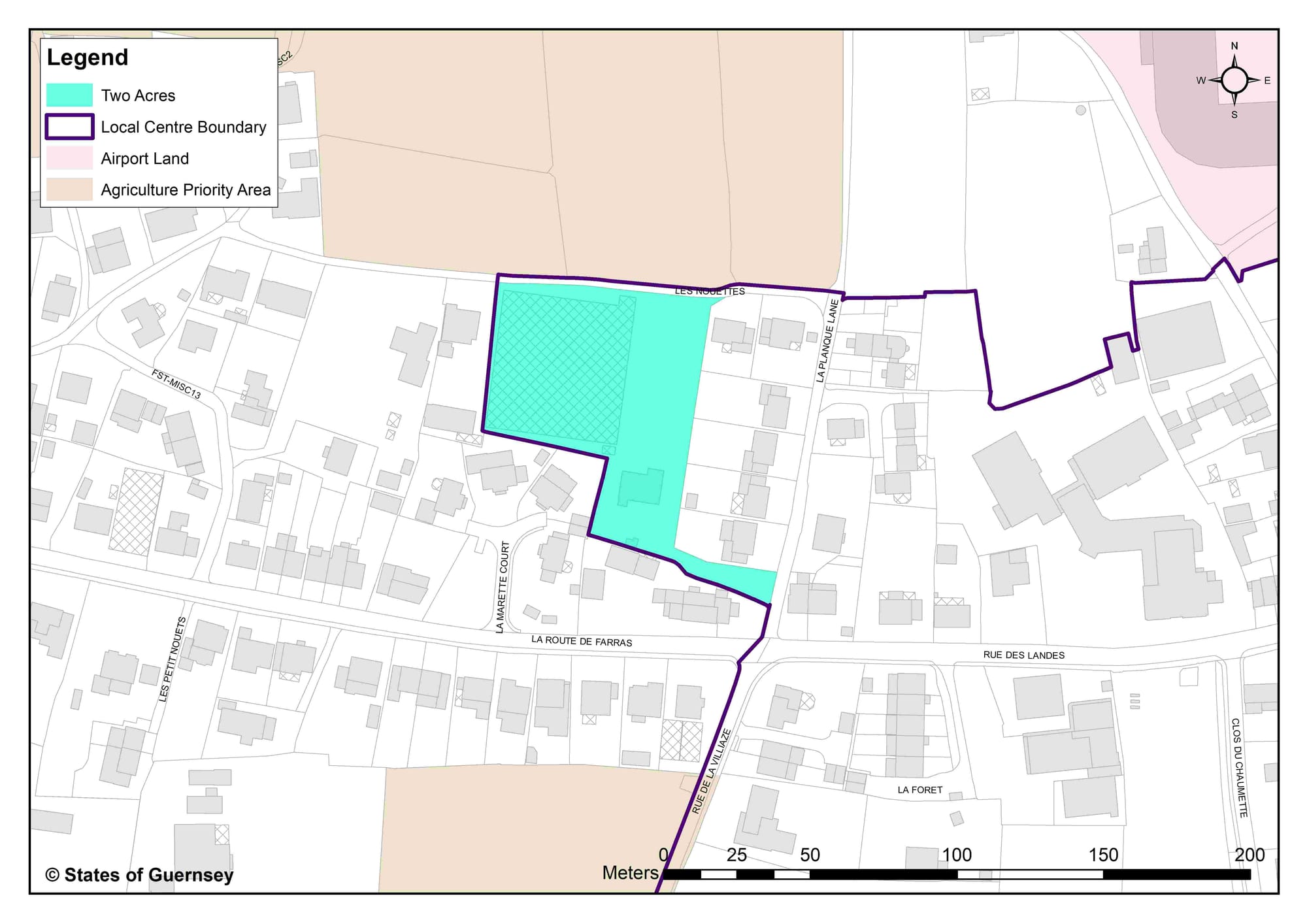
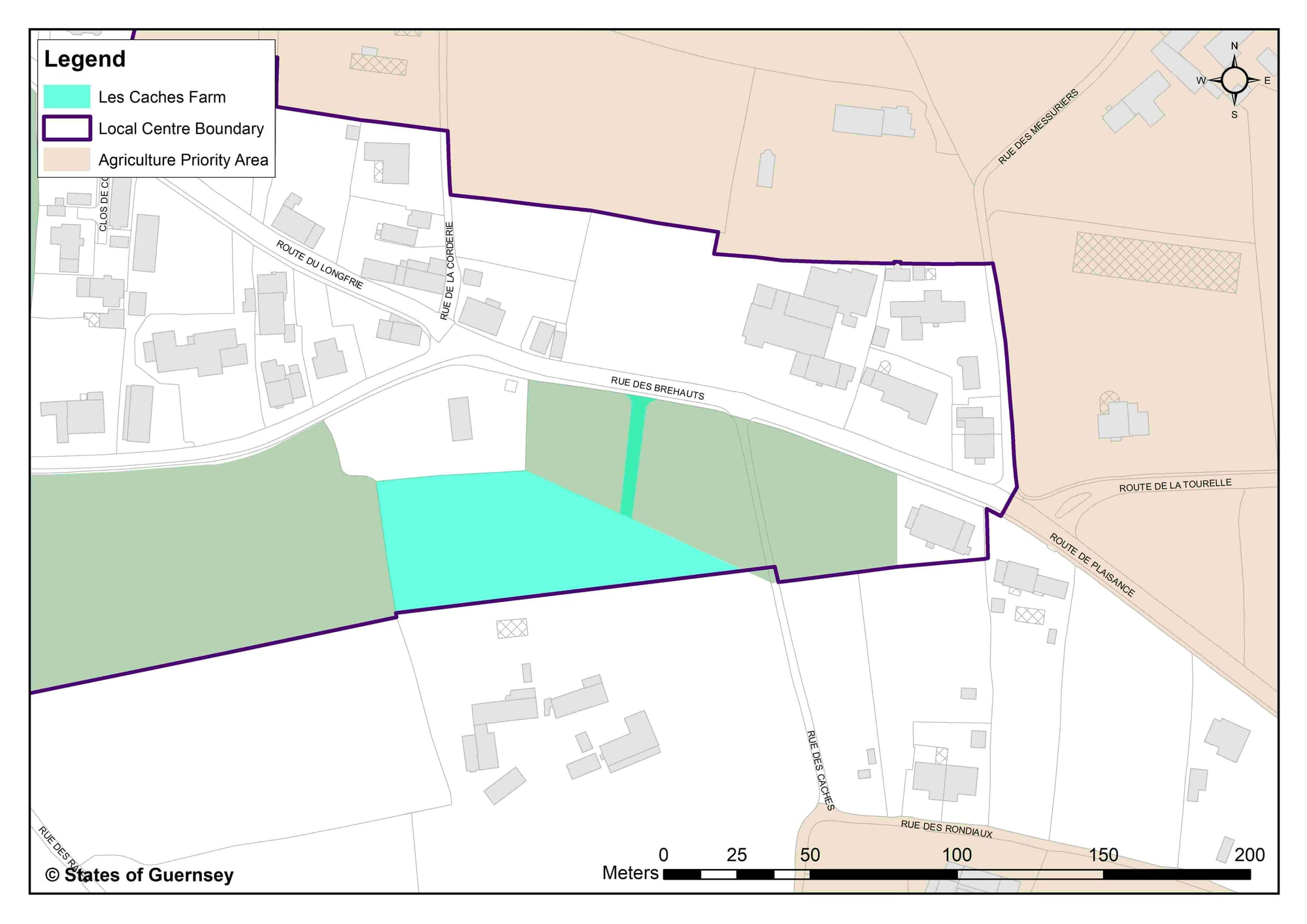
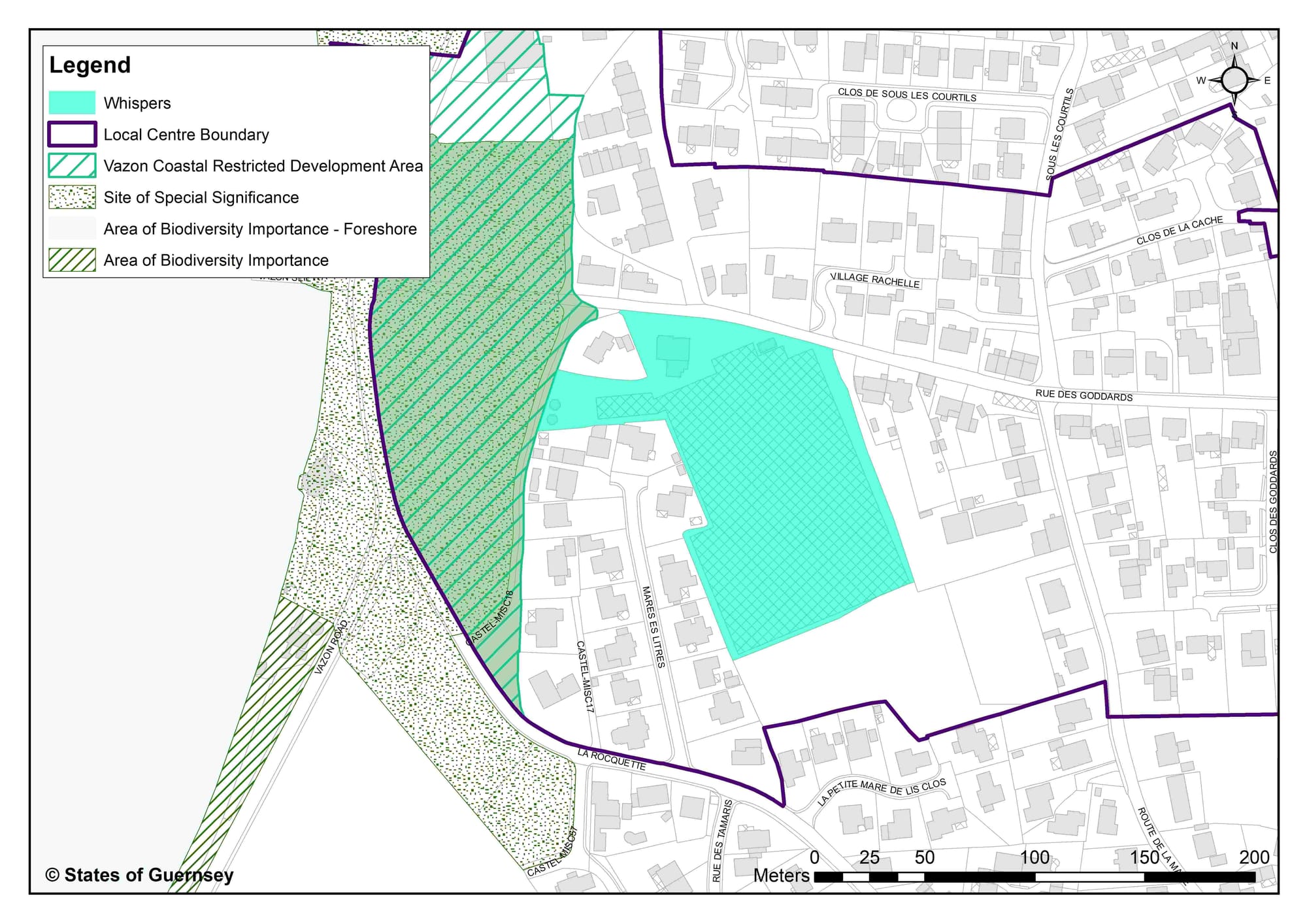
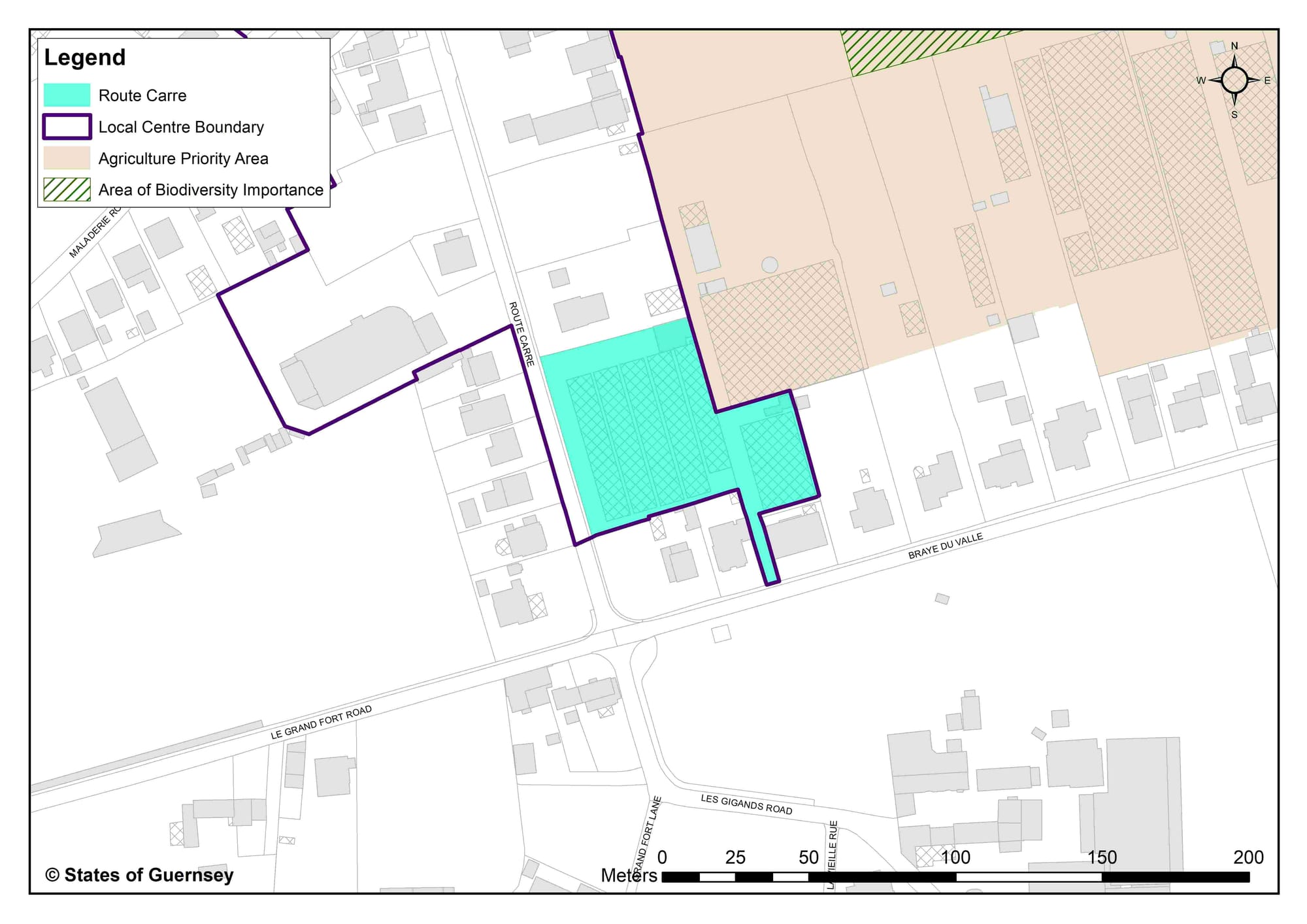
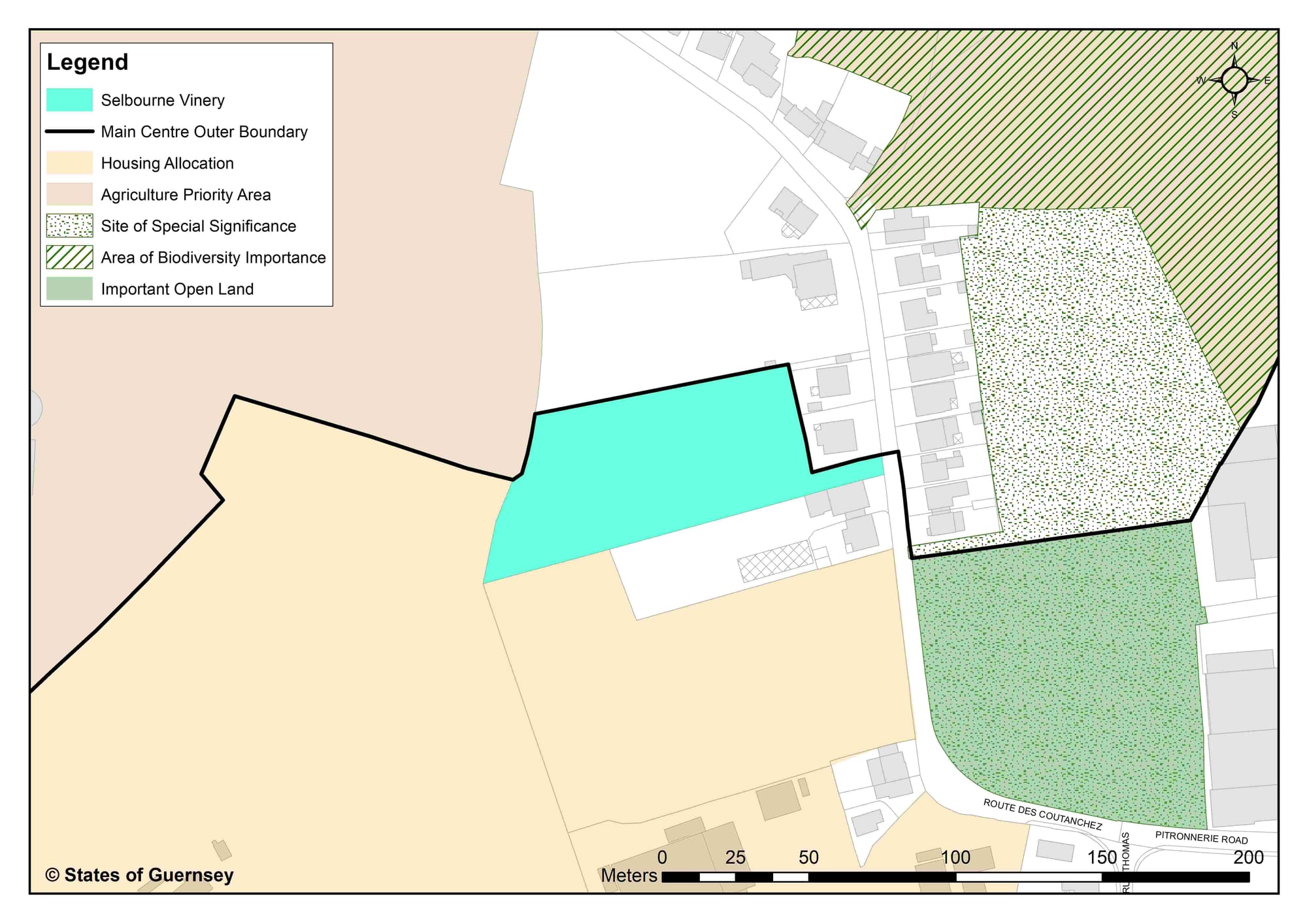
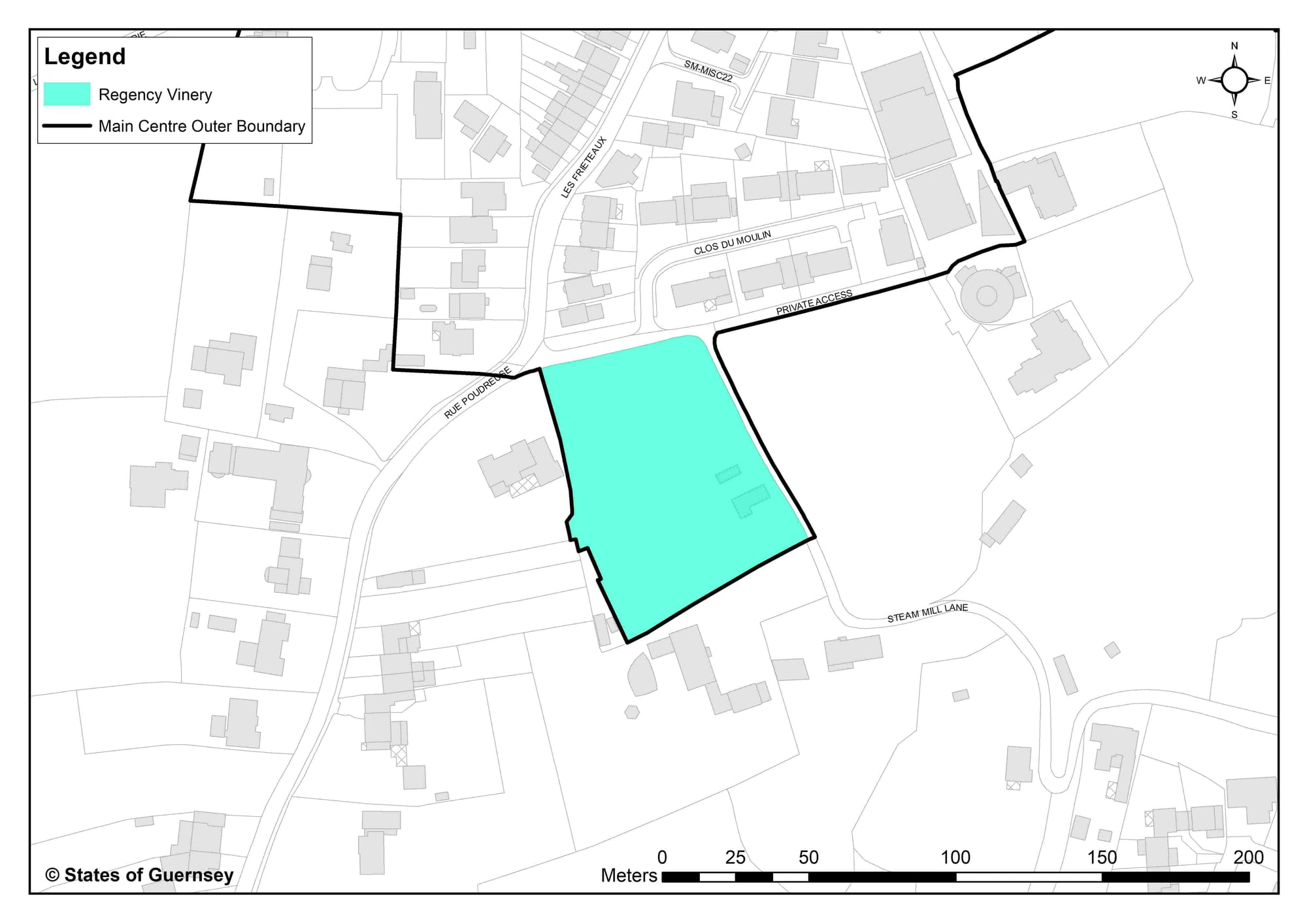
The original list was Selbourne Vinery: Located in the amended St Peter Port Main Centre Outer Area; Regency Vinery: also in the amended St Peter Port Main Centre Outer Area; School Lane Vinery: located in the amended St Martin Local Centre; Whispers (Whispers Vinery): Proposed for the new Vazon Local Centre; Les Caches Farm: In the amended St Peter’s Local Centre; Two Acres: In the amended Forest West Local Centre; Route Carré: In the amended L’Islet Local Centre.
Disagreement over Vazon
One of the most significant points of friction between the Inspector and the DPA concerns the future of Vazon.
Mr Holland recommended the complete removal of the proposal to designate Vazon as a new "local centre," alongside the deletion of the Whispers Vinery housing allocation.
The Inspector concluded that Vazon lacks an "identifiable core" and essential amenities, such as a school, pharmacy, or doctors' surgery. He also highlighted "reasonable" concerns from residents regarding tidal flooding and drainage, noting that no up-to-date flood risk assessment had been conducted for the area.
However, the DPA has rejected this advice, asserting that Vazon is "very recognisable as a place" and that drainage concerns are "not insurmountable". The authority intends to let the States of Deliberation make the final decision on Vazon's status.
Being a local centre opens the door to more development as the rules are less rigid.
Policy GP11 and the ‘backstop’ mechanism
The Inspector’s report addresses the long-standing challenges surrounding Policy GP11, a planning rule intended to secure affordable units within private developments when they top 20 or more houses.
In April 2024, the States effectively suspended the policy, setting the required proportion of affordable housing at 0% until at least 2029. Mr Holland concluded that the policy had largely failed because its 20-unit threshold was easy to circumvent; developers simply focused on smaller sites to avoid the requirement.
To prevent this continued avoidance, the Inspector recommended lowering the threshold to five dwellings. He argued that a modified GP11 should remain in the Island Development Plan as a "backstop" or "reserve" option, to be reactivated if the new strategy of specifically allocated affordable sites fails to deliver results. While the DPA has agreed to keep the policy as a contingency, it has rejected the recommendation to lower the threshold at this time, preferring to keep the requirement at 0% until a full plan review.
Understanding Benchmark Land Values
A significant portion of the report is dedicated to the impact of land prices on housing viability. Mr Holland argued that the success of the island's housing strategy depends on the consistent application of Benchmark Land Values (BLVs).
In practical terms, a BLV is a standard valuation used by planning authorities to determine what a piece of land is worth for development purposes.
The Inspector noted that many landowners currently "sit on" their property, waiting for high private-market prices rather than negotiating for affordable housing projects.
By establishing a BLV, the DPA can set a realistic price guide for developers to use during negotiations. This value is intended to provide a "competitive return" to a willing seller while ensuring the land remains affordable enough for a developer to build the required social housing.

Ending speculative justifications
The report calls for a robust approach to ensure that high land costs do not continue to stall affordable projects.
Mr Holland recommended that the DPA adopt a firm policy: the price a developer paid for land must never be used as a justification for failing to provide the required number of affordable units.
If a developer makes a speculative purchase at a price far above the BLV, the Inspector insists they should not be allowed to claim the project is "unviable" to reduce their affordable housing obligations.
He recommended reviewing and updating previous guidance, which had suggested values such as £70,000 to £90,000 per hectare for open land, to ensure these benchmarks are consistently applied in all future viability assessments.
This move is intended to signal to the industry that landowner expectations must align with planning policy, rather than policy being adjusted to meet high land prices.
Background to the review process
The Island Development Plan was originally adopted by the States of Guernsey in November 2016.
By law, the Development & Planning Authority is required to review the IDP at least once every ten years to determine if it needs to be amended or replaced.
Additionally, the Strategic Land Use Plan, the high-level document with which the IDP must be consistent, mandated an interim five-year review specifically regarding housing land supply policies.
Although this interim review was delayed by the COVID-19 pandemic, it was initiated to ensure enough land is provided for the island's housing and employment needs.
What has happened so far
In June 2024, Environment & Infrastructure appointed Keith Holland to conduct a statutory Planning Inquiry into the proposed changes. To ensure independence, the inquiry was administered by a separate team to provide a clear distinction between the Inspector and the DPA.
Public consultation: The review has undergone three distinct stages of public consultation: initial, extended initial, and further representations. This happened between June 2024 and September 2025. These stages allowed islanders and developers to submit hundreds of comments on the draft amendments.
The inquiry hearings: In January 2026, sessions were held at the St Pierre Park Hotel. These were conducted in a round table format, allowing the inspector to question participants and facilitate public discussion on controversial topics like affordable housing and the status of Vazon.
The 'soundness' test: The inspector’s primary objective was to determine if the DPA’s proposals were "sound". This meant checking if the plans were based on robust evidence, were the best options after considering alternatives, and were flexible enough to handle changing circumstances.
Reporting and DPA response: The inspector submitted his final report with 14 specific recommendations in April 2026. The DPA published this report on 6 July, along with its own response regarding which recommendations it would accept or reject
Q&A
Q: What is the current surplus of land for affordable housing in Guernsey?
A: The current land supply for affordable housing shows a surplus of just 17 units over the next six years. Inspector Keith Holland described this margin as 'nominal,' warning that it leaves no room for error if large sites fail to deliver anticipated dwellings. This contrasts sharply with a surplus of 706 units for private market housing.
Q: Why did Policy GP11 fail to deliver affordable housing?
A: Policy GP11 required private developments of 20 or more houses to include affordable units, but Inspector Holland concluded it largely failed because developers could easily circumvent the 20-unit threshold by simply focusing on smaller sites. The States suspended the policy in April 2024, setting the affordable housing requirement at 0% until at least 2029.
Q: What are Benchmark Land Values and why does the inspector consider them important?
A: Benchmark Land Values (BLVs) are standard valuations used by planning authorities to determine what land is worth for development purposes. The inspector argued that establishing BLVs is crucial to prevent landowners from holding out for high private-market prices and to stop developers from using speculative purchase prices as justification for reducing affordable housing obligations. Previous guidance suggested values of £70,000 to £90,000 per hectare for open land.

Comments ()