
How Guernsey's land is changing: from packing shed to home
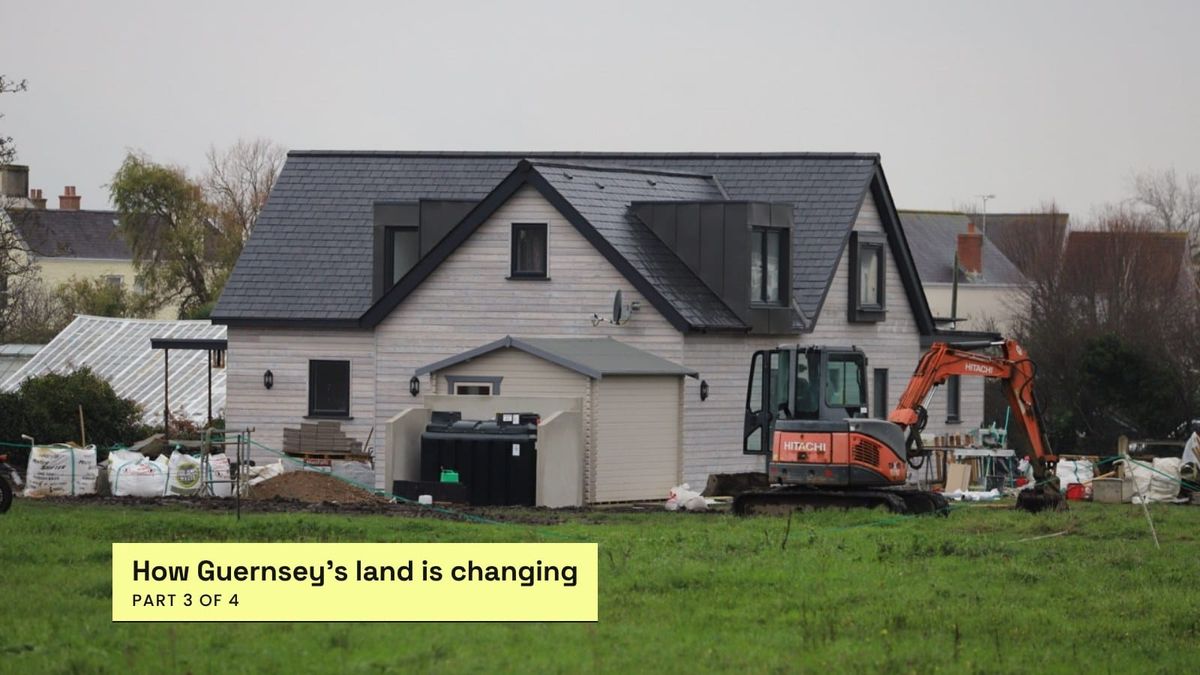
- Since 2015, 152 of 223 planning applications to convert packing sheds, barns and outbuildings into homes have been approved, creating 158 homes across 119 sites in Guernsey.
- The States has this week designated five former vinery sites for 182 affordable homes, representing a shift toward repurposing redundant horticultural land for housing.
- Applications increased after the 2016 Island Development Plan streamlined conversion rules, though refusals rose from 25% (2015-2020) to 33% (since 2021).
- Almost half the approved homes are in Guernsey's north, with the Vale and St Sampson's accounting for 73 of 158 conversions in areas where vineries were concentrated.
- The controversial Whispers site, a redundant glasshouse complex, won approval (23-10 votes) despite inspector recommendations against it due to character, traffic and flood concerns.
Part three of our series mapping how Guernsey's land is changing.
Today: every application since 2015 to turn a packing shed, barn or outbuilding into a home. Permission has been given for about 160 homes on 119 sites, and the States have now designated five former vinery sites for 182 affordable homes.
Since January 2015, 223 planning applications have sought to turn a packing shed, barn, stable or other outbuilding into a home, or to knock one down and build a house in its place.
Of those, 152 were granted. Many sites were approved more than once, as plans were revised or a conversion was swapped for a rebuild, so the approvals cover 119 sites. Counting each site once, they allow 158 homes. Added up application by application, they come to 202.
Conversion is often only the first step. On 24 sites where a conversion was approved, the owner later won permission to knock the building down and build a new house instead. The descriptions of those later applications rarely say what was demolished, so The Quarry matched them by property. Each is listed on the original application on the map.
On Rue Coutance in the Vale, a plan to turn an outbuilding into a home was refused in 2018 and approved in 2020. In 2022 planners approved demolishing it and building a new house, which was given permission for extensions on two sides in 2024.
Packing sheds and vinery buildings account for 39 of the approvals, and barns and farm buildings for 46. The rest are stores, stables and other outbuildings. Almost half the homes are in the north, where the island's vineries were most concentrated. The Vale and St Sampson's together account for 73 of the 158.
A permission is not proof the home was built. Some lapse, and the same site often appears more than once as a scheme is revised.
More refusals
Applications rose once the Island Development Plan took effect: 16 in the 22 months before it and 36 in the 22 months after.
Converting a redundant building into a home was already possible under the Rural Area Plan, which the Island Development Plan replaced in November 2016.
The new plan kept the core tests: the building must no longer be needed for its last use, be structurally sound, and be convertible without major rebuilding.
But it dropped some hurdles. The old plan said conversions that took buildings out of the rural economy would generally be resisted, and in Areas of High Landscape Quality the building had to be of architectural or historic interest. The IDP's conversion policy, GP16, has neither test.
It also lets an owner demolish the building and rebuild to the same size once a conversion has planning permission, where the old plan required building regulations approval as well.
Refusals have become more common, though the numbers each year are small.
From 2015 to 2020, a quarter of decided applications were refused (25 of 102).
Since 2021 it has been a third (37 of 112), and 21 of the 50 decided since the start of 2024.
The largest single approval, in St Sampson's in 2021, replaced garages and outbuildings with 17 homes.
Glasshouses count as greenfield
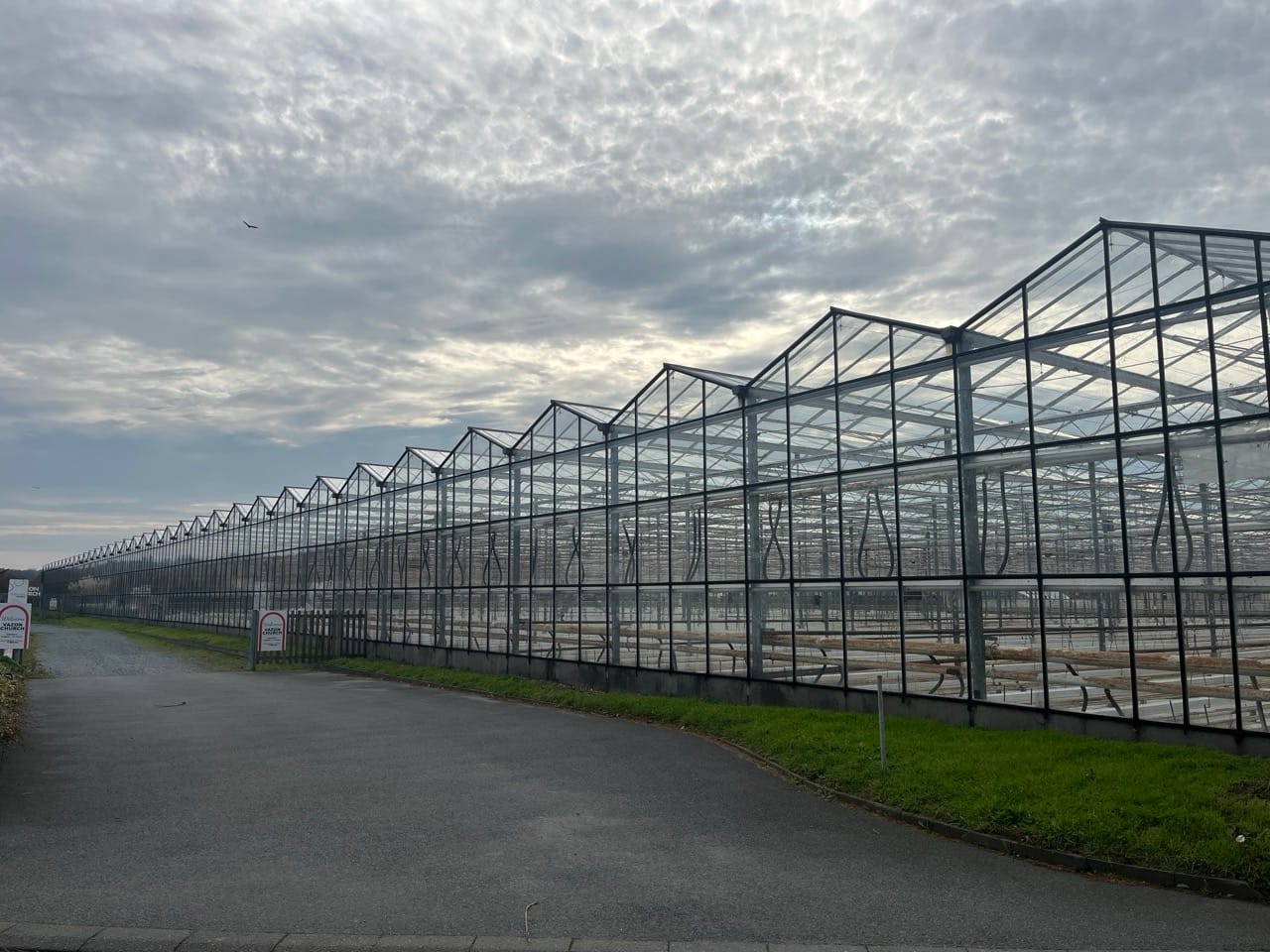
Under Guernsey's planning law, horticultural premises, including redundant glasshouse sites, are treated as agricultural land and so as greenfield, the States' quarterly monitoring report explains.
In the last three months of 2025 it recorded nine homes permitted on greenfield sites, all from converting or replacing agricultural and former horticultural buildings.
What the States decided this week
The Island Development Plan sets the rules for where development can go and how planning applications are decided.
The review the States approved on Tuesday designates specific sites for affordable housing, so that applications for homes there are judged against that purpose.
Five of the nine sites the States designated for affordable housing on Tuesday are former vineries or glasshouse sites. Together they are expected to provide 182 of the 267 affordable homes the nine would deliver.
| Site | Parish | Affordable homes |
|---|---|---|
| Whispers Vinery, Rue des Goddards | Castel | 40 |
| School Lane Vinery, La Grande Rue | St Martin's | 40 |
| Regency Vinery, Steam Mill Lane | St Martin's | 39 |
| Former Fletcher's Freesias, Route Carré | St Sampson's | 32 |
| Selbourne Vinery, Route des Coutanchez | St Peter Port | 31 |
Affordable homes: DPA estimate in the policy letter.
The DPA said consultation showed a clear preference for redundant vineries and brownfield land over fields. It described Whispers as "a redundant glasshouse complex".
Whispers is the most contested.
The independent inspector recommended against both the site and the new Vazon local centre it depends on, citing character, traffic, flood risk and the lack of an identifiable centre.
The DPA disagreed and left it to the States, which approved Whispers and the Vazon local centre by 23 votes to 10, the closest of the site votes. The DPA's own amendment 6, which would have capped Whispers at 40 homes against an assessed capacity of 53, was lost by 24 votes to 6.
The States also agreed to switch the Belgrave Vinery housing allocation to industrial use.
The review also changes the conversion policy itself, for the first time since 2016.
Owners no longer need planning permission for a conversion before applying to knock the building down and rebuild: both can now be decided in a single application, which the DPA says reflects what it already does in practice.
The building must be big enough to meet the plan's internal space standards, and a house must keep enough garaging and outbuildings for its own size, so those cannot be argued to be redundant.
The DPA noted that the rebuild route has let schemes of up to 14 homes come forward outside the centres without a development framework, and larger or more complex ones may now need one.
Tomorrow: the housing pipeline.
Q&A
Q: How many planning applications to convert outbuildings into homes have been approved in Guernsey since 2015?
A: Since January 2015, 152 of 223 planning applications to convert packing sheds, barns, stables or other outbuildings into homes have been approved, covering 119 sites and allowing 158 homes when counting each site once.
Q: What changes did the 2016 Island Development Plan make to conversion policies?
A: The 2016 Island Development Plan streamlined conversions by dropping requirements that buildings be of architectural or historic interest in Areas of High Landscape Quality, removing resistance to conversions taking buildings out of the rural economy, and allowing owners to demolish and rebuild once conversion permission is granted without needing building regulations approval.
Q: Why are redundant glasshouse sites considered greenfield under Guernsey planning law?
A: Under Guernsey's planning law, horticultural premises including redundant glasshouse sites are treated as agricultural land and therefore classified as greenfield, even though they have been previously developed for commercial horticulture.

Comments ()