
How Guernsey plans to go for growth in finance, overcoming years of complacency
Guernsey is eyeing opportunities in finance with plans to return to a level of growth that by 2030 will mean workers in industry have on average an extra £6,000 in their pocket each year and government income is boosted by £25m. annually.
A new Finance Sector Strategy has been published, driven by industry input.
It has identified where the island should concentrate its firepower in the hopes of overcoming a virtual flatlining in the economic impact of the finance sector since 2017.
Without change, GVA growth will continue on the 0.1% annual growth trend, with wider impacts for Guernsey as a whole, the strategy has said.
That will mean overcoming challenges, including the size of the talent pool, barriers to setting up new businesses, restricted access to European markets, flight links and people outside the UK especially being unclear what Guernsey does.
It also means overcoming a “reserved culture of innovation and proactive businesses development” in established operations.
Guernsey still retains many core competitive strengths as an international finance centre.
These include political, legal and tax stability, deep local expertise, and examples of pioneering regulation.
It can also have cost advantages to its competitors like Luxembourg, benefiting from being exempt from some expensive EU legal requirements.
Delivery now matters
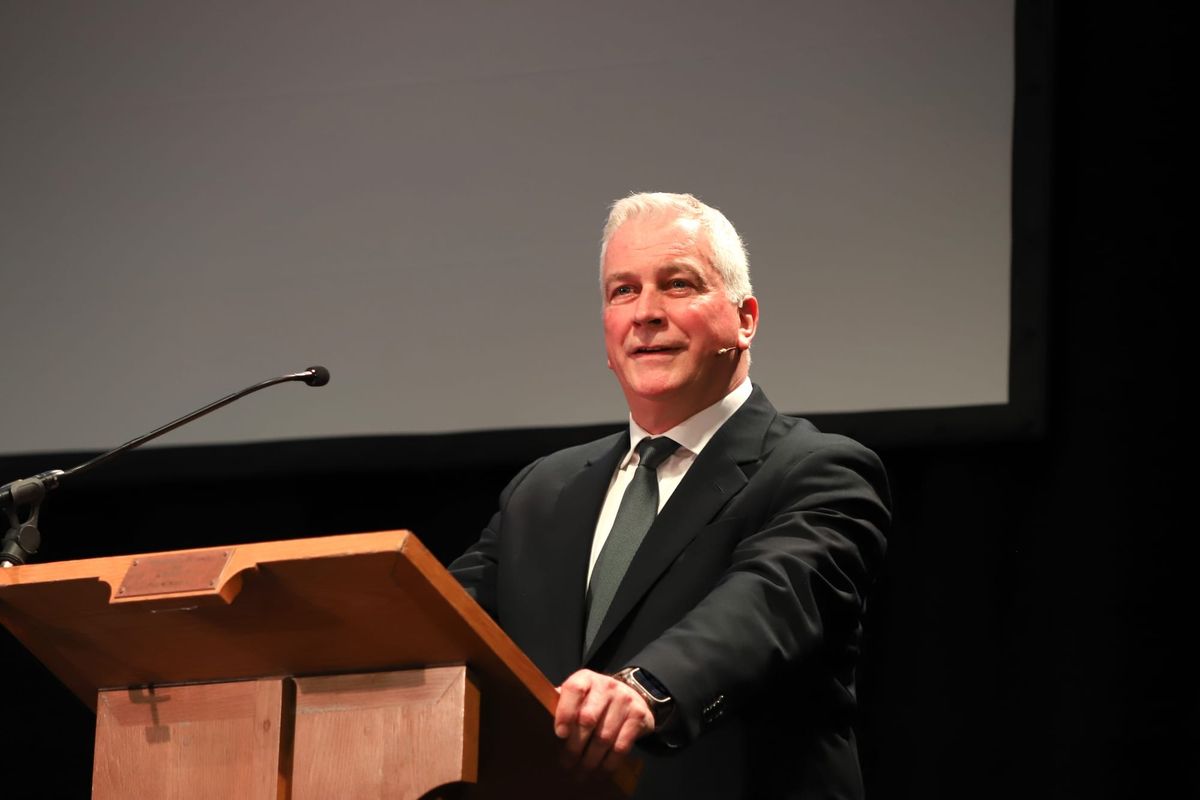
Guernsey remains respected, Economic Development vice president Andrew Niles told an audience of fiance leaders on launching the strategy.
“But respect doesn't guarantee growth, and stability in a world that is accelerating can become relative decline.
“If we do not move up the value chain, others will.
“If we do not remove friction, capital will choose faster routes.
“If we do not define our proposition clearly, we will be defined by others.
“Guernsey has never competed on size. We have competed on agility, specialization and quality. We have reinvented our economy, many times, from horticultural to tourism and now to international finance.
“Each time we adapted to global change, and that same mindset is required today.”
Financial Services account for around 40% of Guernsey's GDP and directly employs one in five of the island’s workforce.
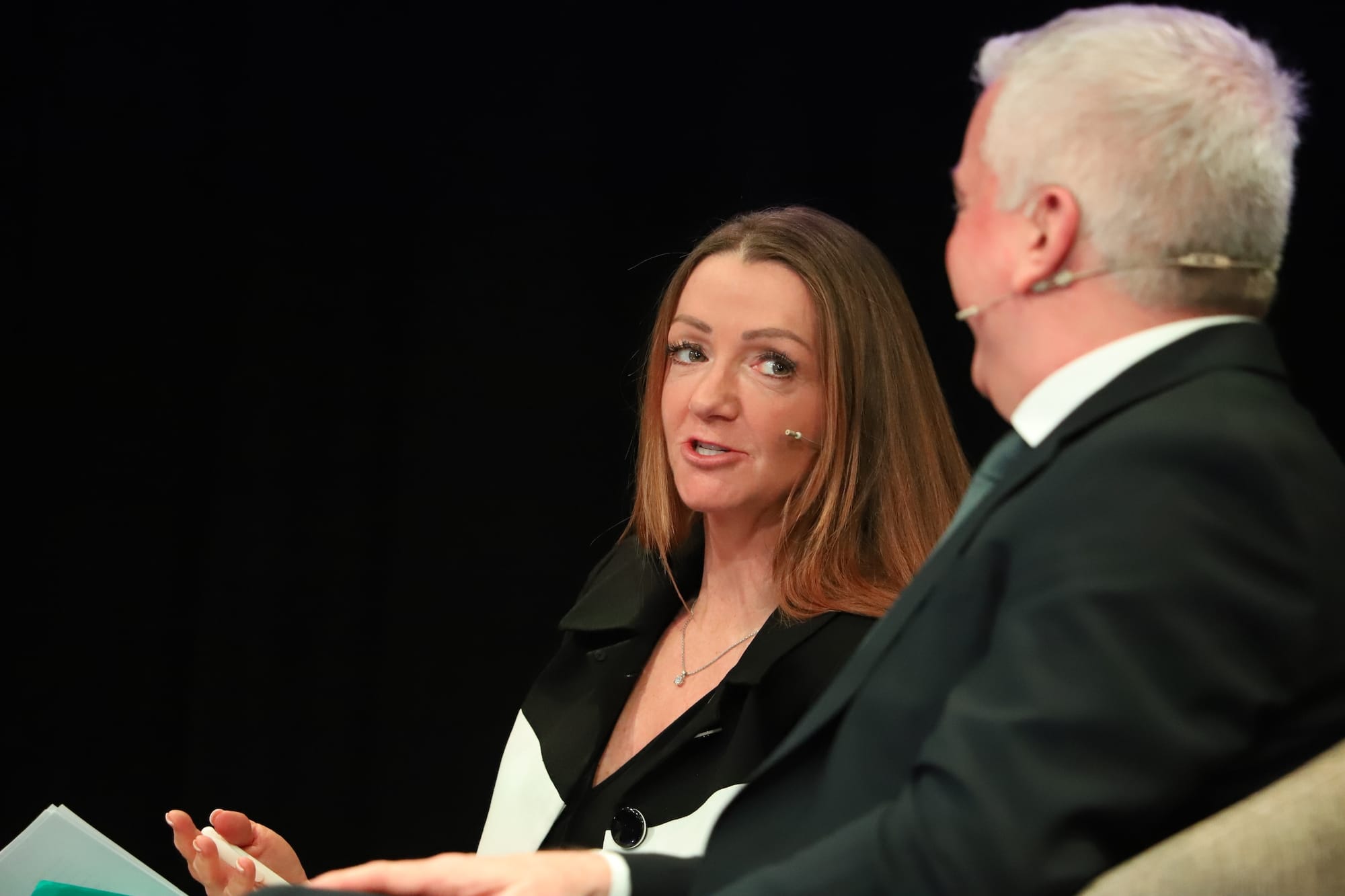
Developed over a six-month period with the support of consultancy firm Oliver Wyman, the strategy has been designed through a partnership between the States, the Guernsey Financial Services Commission, Guernsey Finance and the Guernsey International Business Association.
Delivery will be supported by a new Financial Growth Forum, made up of those organisations.
“Delivery now matters more than design,” said Deputy Niles.
“We've done the analysis, we've listened to industry with benchmarks internationally, but publication is not achievement.”
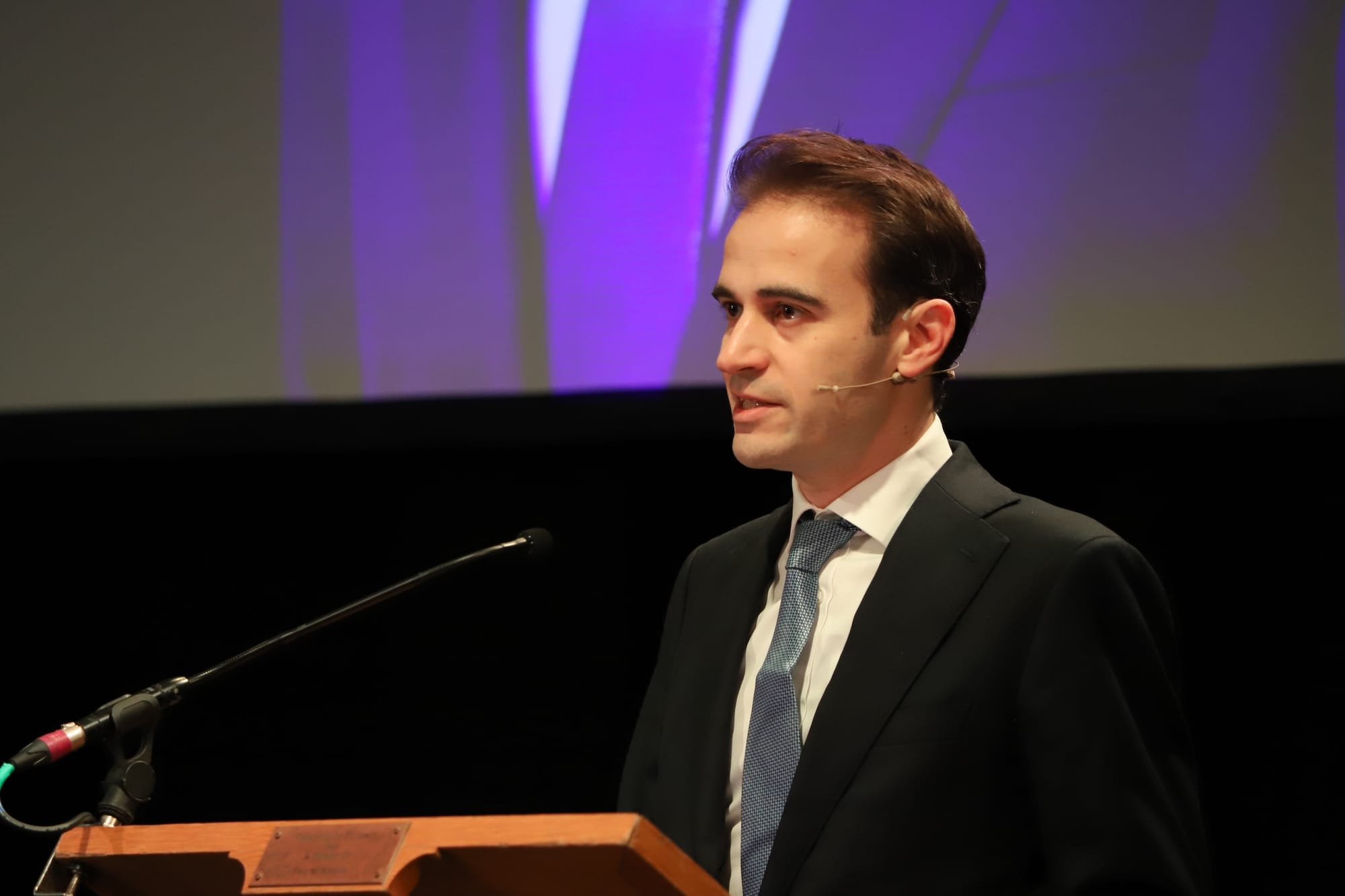
Oliver Wyman Partner Anthony Charrie said that the challenges Guernsey faces would surprise few, but it was important to take a step back.
One of the newer ones concerned the talent pool.
“We think that from an innovativeness perspective, setting up new businesses, or innovating in the existing businesses, the growth mindset is probably not as strong as it could be, and that probably is a result of how easy it has been on the island over the years,” he said.
“The fact that unemployment is so low, that there are so many opportunities for young people on the island, means that probably there's less incentive to set up new businesses.
“At the same time for the businesses themselves that already exist, innovating and internalizing some of the digital tools that will increase productivity is something that I think businesses maybe could take a bit more risk.”
Growth mindset was important, he said.
“The government provides an enabling framework for the island to grow, the finance sector to grow.
“But ultimately it's about having a growth mindset and investing, and that comes from the private sector.
“I think there are a number of opportunities for the private sector to come together, also with the public sector, to come up with ideas that can drive growth and make those investments. I realize that looking back, it's quite unusual what you have on the island, the labor market was quite tight, and people had real opportunities, and so it was harder to be able to start new businesses, and the incentives weren’t there as much, but it is something that you need to recover and push again.”
What's the plan?
The strategy contains six core initiatives.
Boosting productivity through technology
The strategy proposes modernising existing services by supporting the adoption of digital tools and AI. By moving away from manual processes, such as in client onboarding, the island can increase efficiency and leverage its finite specialist staff in better ways.
This also involves harmonising legal frameworks and reducing administrative "frictions" to enhance the overall ease of doing business.
Moving Up the Value Chain
Instead of just maintaining existing market shares, the strategy seeks to capture higher-value activities:
- Private wealth super hub: Positioning Guernsey as a premier destination for family offices and high-net-worth individuals seeking asset protection and sophisticated investment opportunities like charitable giving.
- Fund management: Moving "upstream" in the investment funds sector by creating incentives to attract fund managers to relocate to the island, rather than just providing administration services.
- Emerging asset classes: Targeting high-growth areas such as infrastructure financing and defence investments, leveraging Guernsey’s existing Private Investment Fund and Protected Cell Company structures.
Capturing new digital and alternative opportunities
The strategy proposes expanding into adjacent markets where Guernsey has natural strengths:
- Tokenization: Positioning the island as a supportive jurisdiction for tokenized securities and assets. This includes using a regulatory sandbox and hosting competitions to pilot use cases for tokenization and stablecoins.
- Access to alternatives: Increasing access to alternative investments for pension funds and HNWIs, matching global trends where these segments are significantly increasing their allocations.
Fostering innovation and startups
To stimulate new business formation, the strategy proposes mobilising private sector investment into on-island innovations. Specific actions include establishing a concierge service for startup founders, hosting hackathons, and examining how existing capital pools can be better aligned with the island's growth goals.
Clarifying the global brand
The strategy identifies a need for brand differentiation, particularly outside the UK where Guernsey is often conflated with other jurisdictions. It proposes targeted international roadshows and closer collaboration with the private sector to promote Guernsey’s specific strengths in private markets, fiduciary services, and sustainable finance.
Tackling structural constraints
Finally, the strategy acknowledges that growth requires solving fundamental physical and social hurdles, like improving flights and expanding the talent pool by attracting international professionals while simultaneously supporting housing development to ensure the island can accommodate a growing workforce without losing its agility.
What do the different sectors do now, and how could that change?
Guernsey’s finance industry is composed of five specialized sectors that together form the backbone of the island’s economy.
Investment Funds
This is one of Guernsey's largest sectors, which essentially acts as a vehicle for pooling money from many different investors to invest in large-scale projects or assets.
Guernsey has £290bn in Net Asset Value across 871 regulated funds. It is particularly strong in "alternative" assets like private equity, real estate, and infrastructure.
The strategy proposes moving "upstream" from administration to fund management, encouraging managers to relocate to the island . It also targets growth in tokenized securities and new asset classes like defence and infrastructure.
Fiduciary and private wealth
Guernsey has over 150 licensed fiduciary providers.
When a family or business has complicated assets, like property, stocks, or companies, spread across different countries, they hire a fiduciary to manage and protect those assets.
The plan is to transform Guernsey into a "Private Wealth Super Hub". This involves attracting more Family Offices and Ultra-High-Net-Worth Individuals by offering sophisticated services in philanthropy, charitable giving, and sustainable finance.
Insurance
Guernsey is the leading captive insurance domicile in Europe and a global center for Insurance-Linked Securities and longevity risk transfers. It hosts over 600 licensed insurance entities.
Most people buy insurance from a big company. However, very large corporations (like global airlines or supermarket chains) often find it more efficient to set up their own "mini-insurance company" to cover their specific risks—this is called a "captive".
Guernsey provides the specialized environment and rules for these companies to run their own internal insurance programs.
The strategy seeks to expand reinsurance and tech-enabled insurance models. By streamlining regulatory processes and embracing digital captives, the island aims to maintain its competitive edge against emerging international jurisdictions. It also includes exploring expanded market access in priority regions, such as the United States.
Pensions
While many people have local workplace pensions, Guernsey specializes in "international" pensions. This is for people who work in several different countries during their career and need one stable, secure place to keep and grow their retirement savings regardless of where they live.
A primary goal is to increase access to alternative investments for pension funds, aligning with global trends where these entities are seeking higher yields outside traditional markets.
Banking
While smaller in terms of the number of institutions than in the past, the banking sector remains foundational.
Guernsey’s banking sector primarily focuses on the "behind-the-scenes" work for businesses. They provide the accounts, handle the electronic movement of money across borders, and provide the secure systems needed for funds, insurers, and families to pay their bills and store their cash.
The strategy focuses on improving the ease of doing business by reducing "frictions" in banking, such as long lead times for opening accounts for new structures . It also encourages banks to adopt AI and digital onboarding to increase productivity.
View the full Guernsey Finance Sector Growth Strategy.


Comments ()