
House sparrow tops Channel Islands bird count for second consecutive year
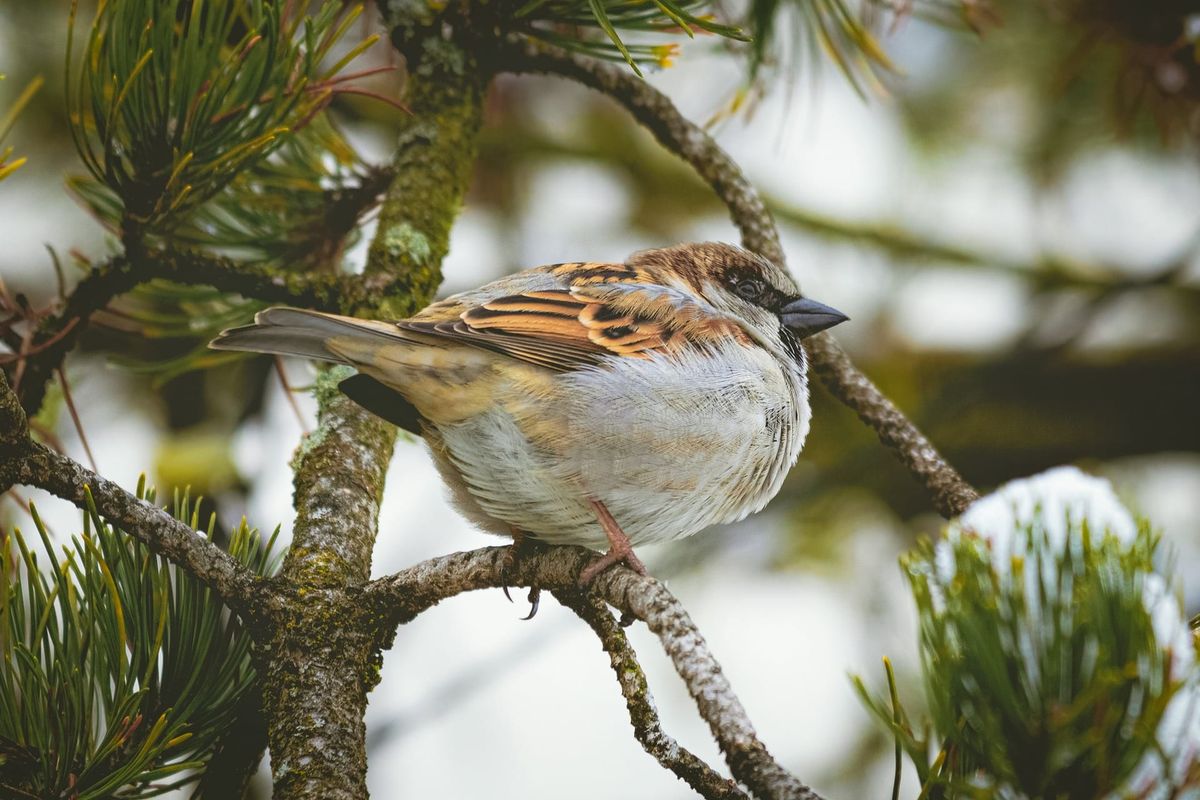
- House sparrows remained the most-recorded bird in Channel Islands for second consecutive year in RSPB Big Garden Birdwatch
- More than 1,000 people in Guernsey and Jersey participated in January bird count, part of national survey involving 650,000 participants
- Blue tit jumped from fifth to second place, whilst wood pigeon was third in local rankings
- RSPB advises weekly cleaning of bird feeders and relocation after cleaning to prevent disease transmission
House sparrows have maintained their position as the most frequently spotted bird in the Channel Islands for the second year running, according to results from the RSPB Big Garden Birdwatch.
More than 1,000 people in Guernsey and Jersey participated in the national bird count during January, spending an hour recording birds in their gardens, balconies, or local parks.
Blue tit jumped from fifth place to second, whilst wood pigeon was third, down one place.
Ian Le Page, an RSPB Guernsey committee member, described the results to the BBC as "encouraging" for providing information on how common birds were faring.
"The number of participants is pleasing and will hopefully increase in years to come as more youngsters seem to be taking an interest in nature and wildlife," said Le Page. "My own count was similar to what I have experienced in previous years which is encouraging."
Nationally, more than 650,000 people took part in the survey, counting 9.4 million birds across more than 80 different species.
The biggest faller in rank in the Channel Islands was the goldfinch, down four spots to eighth.
Charlotte Ambrose from the RSPB said the drop in greenfinch sightings, ranked 16th in the Channel Islands, both here and nationally was "alarming".
"The changes can be linked to disease but it's a really good point of why we need people to take part to capture that snapshot each year."
The RSPB has issued guidance to "feed seasonally, feed safely" to help protect birds. The organisation advises cleaning feeders thoroughly at least once a week and, where possible, relocating them after each clean to prevent contaminated debris from accumulating on the ground beneath.
Background and history
The RSPB Big Garden Birdwatch, which began in 1979 when children's TV programme Blue Peter asked viewers to post in their sightings, has been running for 47 years as of 2026. The survey has consistently revealed concerning trends for island bird populations, particularly Guernsey losing 60% of its sparrow population over the years. Some of the island's favourite garden birds continue to decline in number, a trend seen across the British Isles. Greenfinch populations have been particularly affected, with numbers declining rapidly in the mid-2000s when populations were hit hard by Trichomonosis, and they have seen a 67% decline in average numbers recorded since Big Garden Birdwatch began in 1979. Recent years have shown mixed results, with house sparrows topping the Channel Islands count in both 2024 and 2025, while starlings dropped significantly, falling from 5th down to 10th place in Jersey and Guernsey. .
Q&A
Q: How many people participated in the Big Garden Birdwatch in the Channel Islands?
A: More than 1,000 people in Guernsey and Jersey took part in the January bird count, spending an hour recording birds in their gardens, balconies, or local parks.
Q: What are the top three birds recorded in the Channel Islands?
A: House sparrow remained in first place for the second consecutive year, blue tit jumped from fourth to second place, and wood pigeon held third position.
Q: Why are experts concerned about greenfinch numbers?
A: Greenfinch sightings have declined alarmingly, dropping to 16th place in the Channel Islands and 18th nationally. The changes can be linked to disease, particularly Trichomonosis, which has affected the species.

Comments ()