
Health services highlight lifelong impact of fetal alcohol spectrum disorder during awareness month
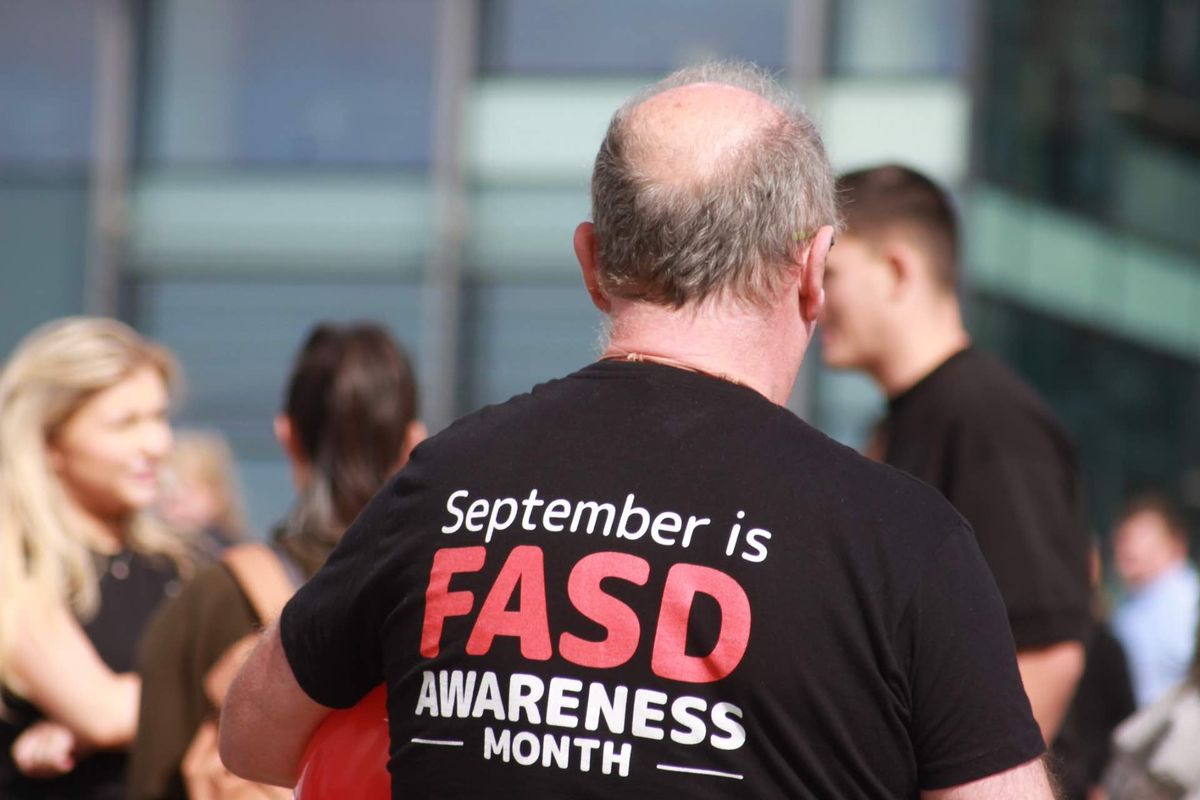
- Public Health Services is raising awareness of Fetal Alcohol Spectrum Disorder during FASD Awareness Month in September, marking International FASD Awareness Day on 9 September
- FASD is a lifelong but preventable condition caused by alcohol exposure before birth, affecting brain development, learning, behaviour and physical health
- The safest choice during pregnancy is not to drink alcohol, as there is no known safe amount, safe time or safe type to consume
- Local health services have received 30 referrals for FASD assessments and have developed a diagnostic pathway for children at highest risk
- The Substance Use Strategy 2027-2032 recognises FASD for the first time and acknowledges the importance of developing understanding of local need
Public Health Services is encouraging the community to learn more about Fetal Alcohol Spectrum Disorder (FASD) and the steps that can help prevent it during FASD Awareness Month in September.
Marking International FASD Awareness Day on 9 September, the campaign highlights the importance of avoiding alcohol during pregnancy.
FASD is a lifelong condition caused by exposure to alcohol before birth. It can affect brain development, learning, behaviour, emotional wellbeing, physical health and daily life. The effects vary from person to person, but FASD can have a significant impact throughout an individual's life.
Throughout September, Public Health will be raising awareness through posters displayed in community venues, maternity services, GP practices, Guille-Allès Library and Bright Beginnings.
These materials will include QR codes linking to trusted information, resources, and support to help people make informed choices during pregnancy.
Alex Hawkins-Drew, Associate Director of Public Health said: "FASD is a lifelong but preventable condition. Awareness Month provides an opportunity to improve understanding of FASD, reduce stigma and support healthy pregnancies.
"The safest choice during pregnancy is not to drink alcohol, as there is no known safe amount, safe time or safe type of alcohol to consume during pregnancy. Our message is one of awareness and support, not blame.
"Many people may have consumed alcohol before they knew they were pregnant. If this is the case, then choosing to stop drinking as soon as you find out you are pregnant is safest."
Local families living with FASD have shared their experiences to help raise awareness of the condition's impact.
One local parent who is supporting a child with FASD said: "Having the diagnosis that we now have has assisted us greatly in understanding what our child might need and how better to respond to and meet their needs.
"We now understand why our child needs things done in the way they do, what they struggle with and what helps.
"We have needed to understand as parents that our child's journey is not the same as that of other young people their age. Our child is just not ready to move to greater independence yet."
Another local parent said: "Being a single dad to a child with FASD is the hardest thing I've ever done. I am his advocate, his safe place and his safety net. Some days are exhausting, frustrating and heartbreaking. But every day I am reminded that behind the behaviour is a child who needs understanding, not judgment."
Dr Amma Oppong, Consultant Community Paediatrician said: "FASD can affect people in many ways. It can impact learning, memory, behaviour, emotional wellbeing and physical health.
"Over the last few years, we have focused on increasing awareness of FASD, providing training for health and care professionals, and developing a diagnostic pathway for children and young people who are at the highest risk, including those with care experience.
"We have received 30 referrals for local FASD assessments. Identifying FASD early and providing the right support can make a real difference to the lives of people with FASD and their families."
Anyone with concerns about alcohol use during pregnancy is advised to speak to their midwife, GP or obstetrician.
Those concerned about a child's development, learning or behaviour where FASD may be a factor should speak to their health visitor, school nurse or GP for advice and support.
The Substance Use Strategy 2027-2032 recognises FASD for the first time and acknowledges the importance of continuing to develop understanding of local need through data, evidence, and emerging insight.
As this understanding evolves, consideration can be given to whether any additional support, service developments, or targeted actions may be required.
Further information is available at www.gov.gg/fasd and through national FASD organisations including National FASD, FASD Network, FASD UK, and FASD.me.
Q&A
Q: What is Fetal Alcohol Spectrum Disorder?
A: FASD is a lifelong condition caused by exposure to alcohol before birth. It can affect brain development, learning, behaviour, emotional wellbeing, physical health and daily life, with effects varying from person to person.
Q: How much alcohol is safe to drink during pregnancy?
A: There is no known safe amount, safe time or safe type of alcohol to consume during pregnancy. The safest choice is not to drink alcohol at all during pregnancy.
Q: Where can I get help if I'm concerned about FASD?
A: If you have concerns about alcohol use during pregnancy, speak to your midwife, GP or obstetrician. If you're concerned about a child's development where FASD may be a factor, contact your health visitor, school nurse or GP. Information is also available at www.gov.gg/fasd.



Comments ()