
Guernsey's lifeboat crew considered split from RNLI over concerns about new Shannon, they have now reluctantly accepted a vessel with limitations in severe weather
- RNLI announced Shannon class lifeboats for Channel Islands without consulting St Peter Port crew, causing severe strain in relationships
- Guernsey crew lobbied to keep existing Severn class, citing concerns about Shannon's limitations in severe weather conditions
- Severn is significantly larger (17.3m vs 13.6m), heavier (45 tons vs 13 tons), carries more crew (7 vs 5) and has higher survivor capacity (124 vs 79)
- Crew considered splitting from RNLI to go independent but reluctantly accepted the decision despite expecting some members to leave
- All three Channel Islands stations will operate the same Shannon class, meaning nearest Severn backup could be seven hours away in severe conditions
At the start of October, the RNLI announced “a new era” of lifesaving in the Channel islands.
Guernsey, Jersey and Alderney would receive the “newest, state of the art, modern” Shannon class, the organisation said.
But behind those buzz words was a decision that severely strained relationships with the St Peter Port station.
Crew members and management were not consulted and have since lobbied hard behind the scenes to keep the existing Severn class operating from Guernsey instead.
A further review by the RNLI followed, but this month St Peter Port was told that the decision would not change.
 Nick Mann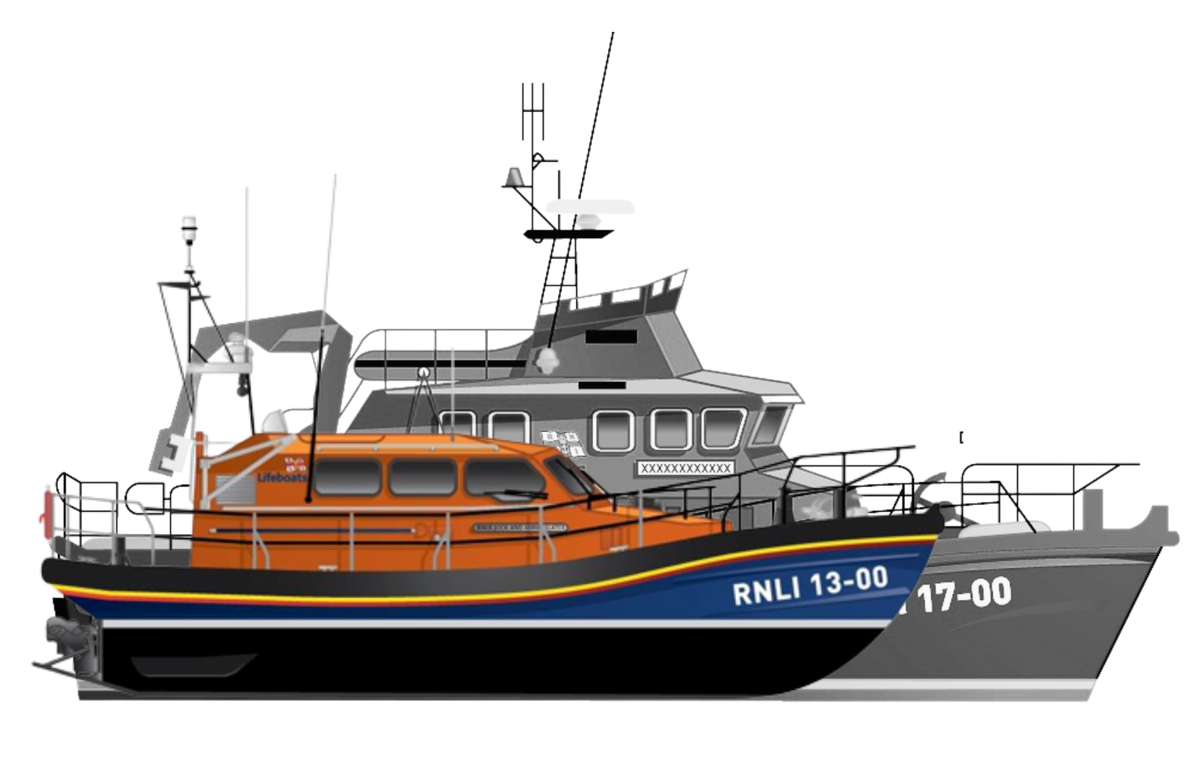
Those crew spoken to by The Quarry express a measured view, noting that the Shannon will be more maneuverable, but they also point out some operational limitations and how they are particularly concerned about its capabilities in severe conditions when compared to their current all weather lifeboat Spirit of Guernsey.
The Severn-class is a bigger vessel, 17.3m long compared to 13.6m for the Shannon, also crucially heavier, at 45 tons compared to around 13, taller and more powerful.
That means in bigger seas it is easier to spot casualties in the water from a Severn, for instance.
It also means the Severn is more capable of towing vessels so avoiding risky transfers, or a circumstance where someone might turn down a rescue because their vessel would be left behind.
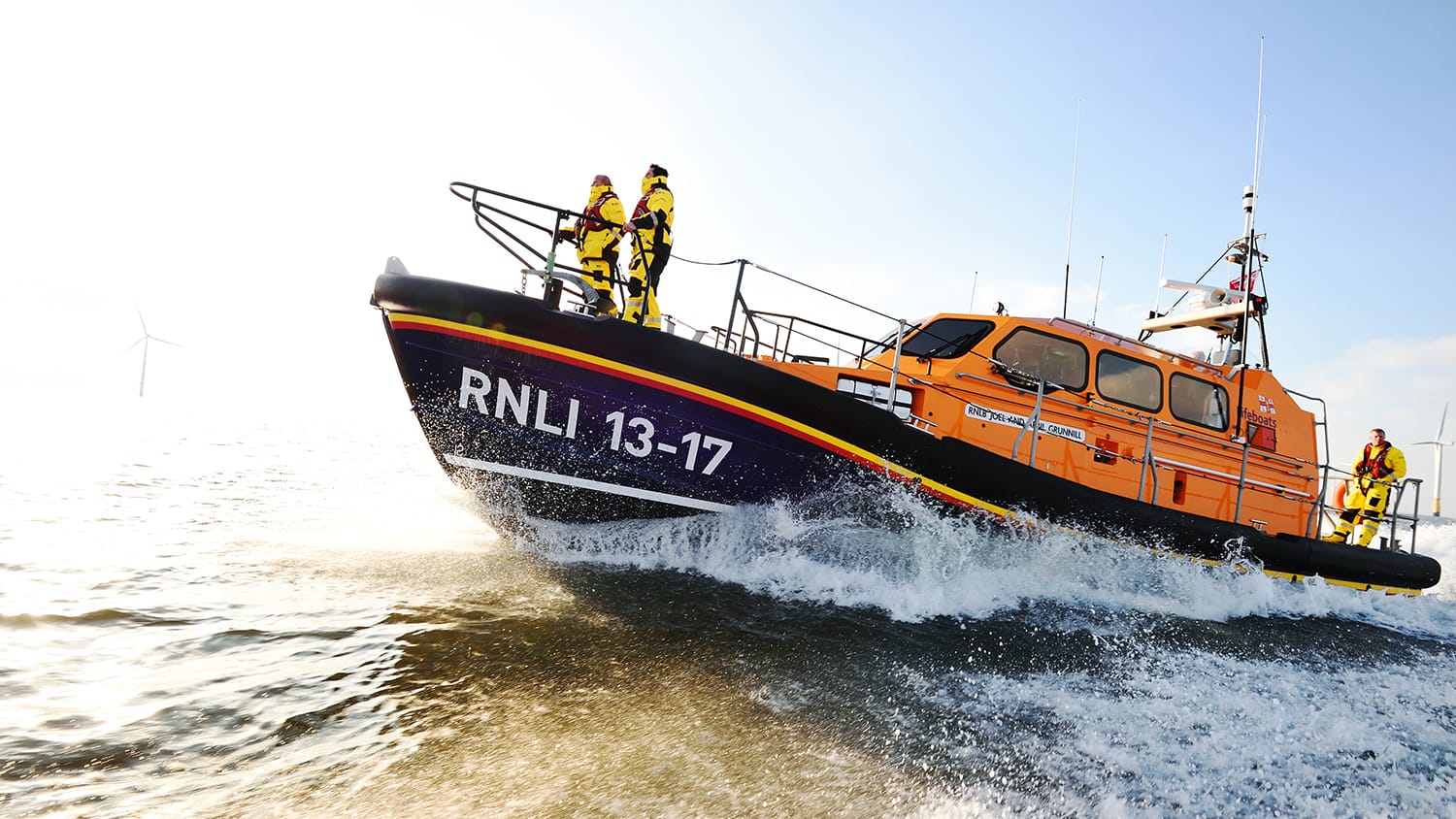
The Shannon carries fewer crew, five instead of seven, and has less space on board for working on a patient.
The local concerns are based around the circumstances they know they have to work in, like rescues that can be taking place 56 miles offshore or patient transfers from Sark and Herm, but also past incidents which could have been much worse - like when Travel Trident V twice struck reefs in 2016.
The Severn has a much higher maximum capacity for carrying survivors, 124 as opposed to 79 (non self-righting).
There is an overwhelming feeling locally that there is a lack of supporting evidence for the decision to move to a Shannon.
And there are operational concerns about having the same type of vessel in Guernsey, Alderney and Jersey. If there is a job the Shannon is not able to do because of the weather conditions, the nearest station with a Severn class is Brixham or Weymouth which could be seven hours away.
The Severn class will remain in operation elsewhere, also including Ramsgate and Plymouth, until 2040.
It is a measure of how seriously the St Peter Port station opposed the move to a Shannon that they even considered splitting from the RNLI and going independent, like the Jersey Lifeboat Association.
But that would come with major implications. Management structures, training, equipment, resilience, funding.
In the end, having voiced their concerns and even expecting some crew will as a result leave, they have reluctantly decided to accept the RNLI’s decision.
The initial Shannon announcement was made by the charity in October 2025 as part of the organisation's wider 2040 Lifeboat Fleet Strategy.
That strategy was unveiled to address the changing nature of how the sea around the UK was being used, with most rescues now closer to shore.
It can be argued, though, that trends in Guernsey and Alderney do not reflect those of the UK as a whole.
Analysis by The Quarry shows a higher proportion of callouts in the 10 to 25nm range than nationally, for instance.
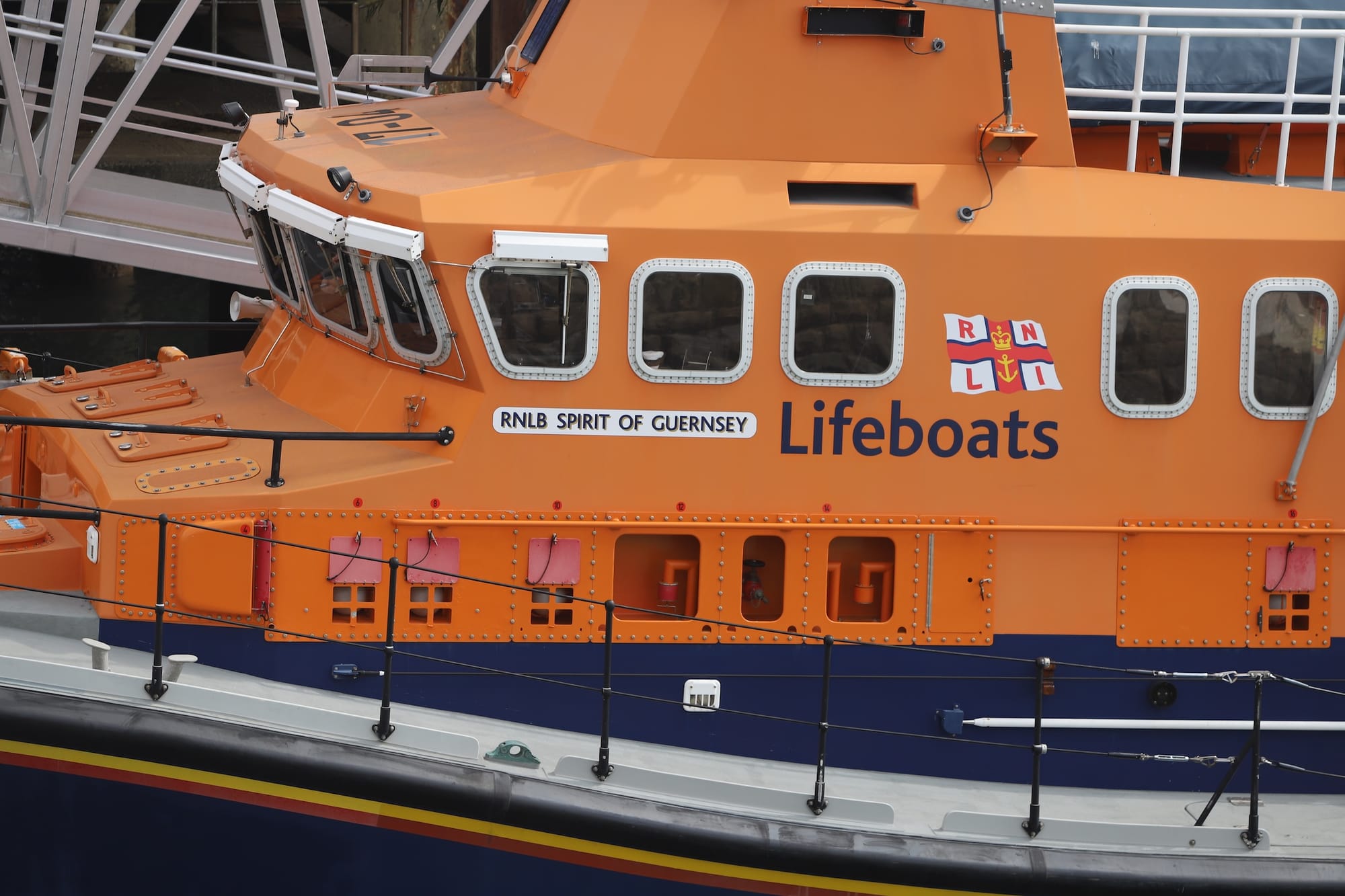
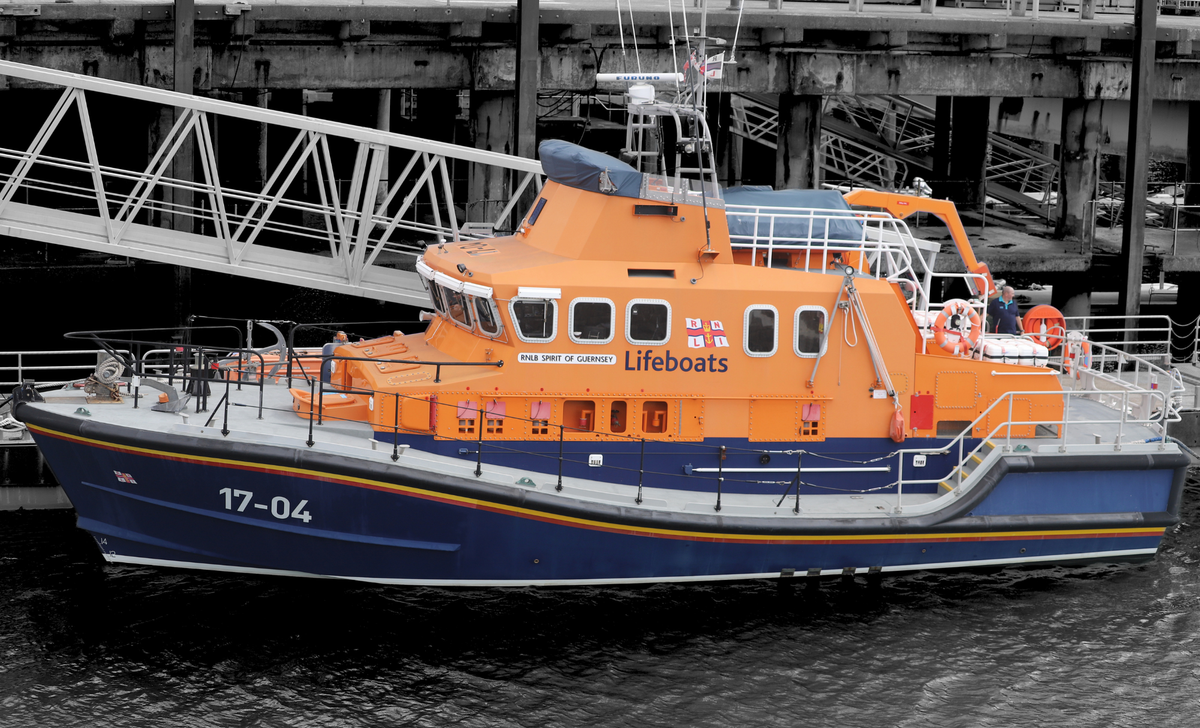
The Spirit of Guernsey has served the island for 31 years.
The RNLI said that she has played a vital role in saving lives around Guernsey and holds a special place in the hearts of both the volunteer crew and the wider community who generously funded her.
“There will undoubtedly be sadness when the time comes to say farewell.
“The RNLI recognises that the decision has been difficult for some of the longer-serving members of the crew who are disappointed by the change, particularly given the long and proud history of Spirit of Guernsey and the strong attachment many volunteers feel towards their lifeboat. We understand the strength of feeling and respect the views that have been expressed.
“Our volunteers at St Peter Port took time to carefully consider the implications of the change. Given the strength of feeling surrounding allocation of the Shannon to St Peter Port, the crew reflected on a range of possible options for the future of the station before reaching a collective view.
“The RNLI is very fortunate to have a strong and committed crew at St Peter Port, and overall, the crew have chosen to engage positively with the transition and give the Shannon class lifeboat the opportunity to demonstrate its capabilities in Guernsey.
“We are grateful for the dedication, professionalism and passion shown by all our volunteers throughout this process.”
Guernsey’s Shannon class lifeboat will be fully funded through donations already given to the station.
“As a result, the St Peter Port Lifeboat Station will be able to choose the name for their new lifeboat.”
There will be a transition period during which both the Shannon and Spirit of Guernsey will be based in Guernsey.
“This will allow volunteers sufficient time to become fully trained and operational on the new lifeboat before the Severn class lifeboat leaves the Island. We look forward to giving the community opportunities to see their Shannon in action and be part of this important milestone in the station's history.”
Alongside the all-weather lifeboat replacement, St Peter Port's Atlantic 85 inshore lifeboat will be upgraded to the new Mark 4 standard.
“The enhancements will include whole-body vibration-reducing technology, wireless communications and an updated lifeboat management system, helping to improve crew safety, performance and operational capability.”
The Spirit of Guernsey will be reallocated to the RNLI’s relief fleet.
A brief history of the Severn class (info from RNLI)
In the 1980s the RNLI's Arun and Waveney class lifeboats provided lifesaving cover up to 30 miles out to sea.
With a top speed of 18 knots they could cover that distance in two hours, but only in good weather.
The RNLI wanted to extend its declared coverage to 50 miles out and save more lives. That required a 25-knot all-weather fleet.
Work began in the early 1990s to develop two FABs (Fast Afloat Boats) that would eventually replace the old 18-knot fleet.
Traditional lifeboat materials like wood, steel and aluminium were dropped in favour of modern, lighter and tougher fibre-reinforced composite and sandwich constructions.
The RNLI design teams tested new hull forms to reduce slamming in heavy seas and gave them low sheerlines to make it easier for crews to recover casualties. And both FABs were fitted with powerful inversion-proof engines and the cutting-edge technology of the day.
The larger of the two, codenamed FAB3, was later dubbed the Severn class after the UK’s longest river.
Trouble in the Isle of Man
The Isle of Man’s capital, Douglas, has been without an active lifeboat since November 2025, despite the arrival of a new Trent-class lifeboat in August that same year.
Current volunteers have been asked to reapply for their roles, with the RNLI saying a “fresh start” is needed.
A statement released on behalf of most of the crew described the past decade as one of managed decline, including being allocated an ageing Mersey class that suffered repeated mechanical failures between 2022 and 2025, and a slipway and boathouse that was so unsafe it had to be handed back to government.
They said that the new Trent-class lifeboat arrived four months late, then was held back again in November 2025 after crew were judged "not yet operationally ready", with no detailed explanation given.
Other lifeboats stations in the Isle of Man remain operational.
Q&A
Q: Why are Guernsey's lifeboat crew concerned about the Shannon class replacement?
A: The Shannon is significantly smaller and lighter than the current Severn class (13.6m vs 17.3m, 13 tons vs 45 tons), carries fewer crew (5 vs 7), has less survivor capacity (79 vs 124), and crew members are particularly concerned about its capabilities in severe weather conditions that are common in their operational area up to 56 miles offshore.
Q: How serious was the opposition to this decision?
A: St Peter Port station considered splitting from the RNLI entirely to go independent, similar to the Jersey Lifeboat Association. The crew lobbied hard behind the scenes and requested a further review, though ultimately they reluctantly accepted the decision despite expecting some crew members to leave as a result.
Q: What happens to the Spirit of Guernsey?
A: The Spirit of Guernsey, which has served the island for 31 years, will be reallocated to the RNLI's relief fleet. There will be a transition period where both the Shannon and Spirit of Guernsey will be based in Guernsey to allow volunteers time to become fully trained on the new vessel.


Comments ()