
Guernsey to introduce applicant-pays system for temporary traffic management costs
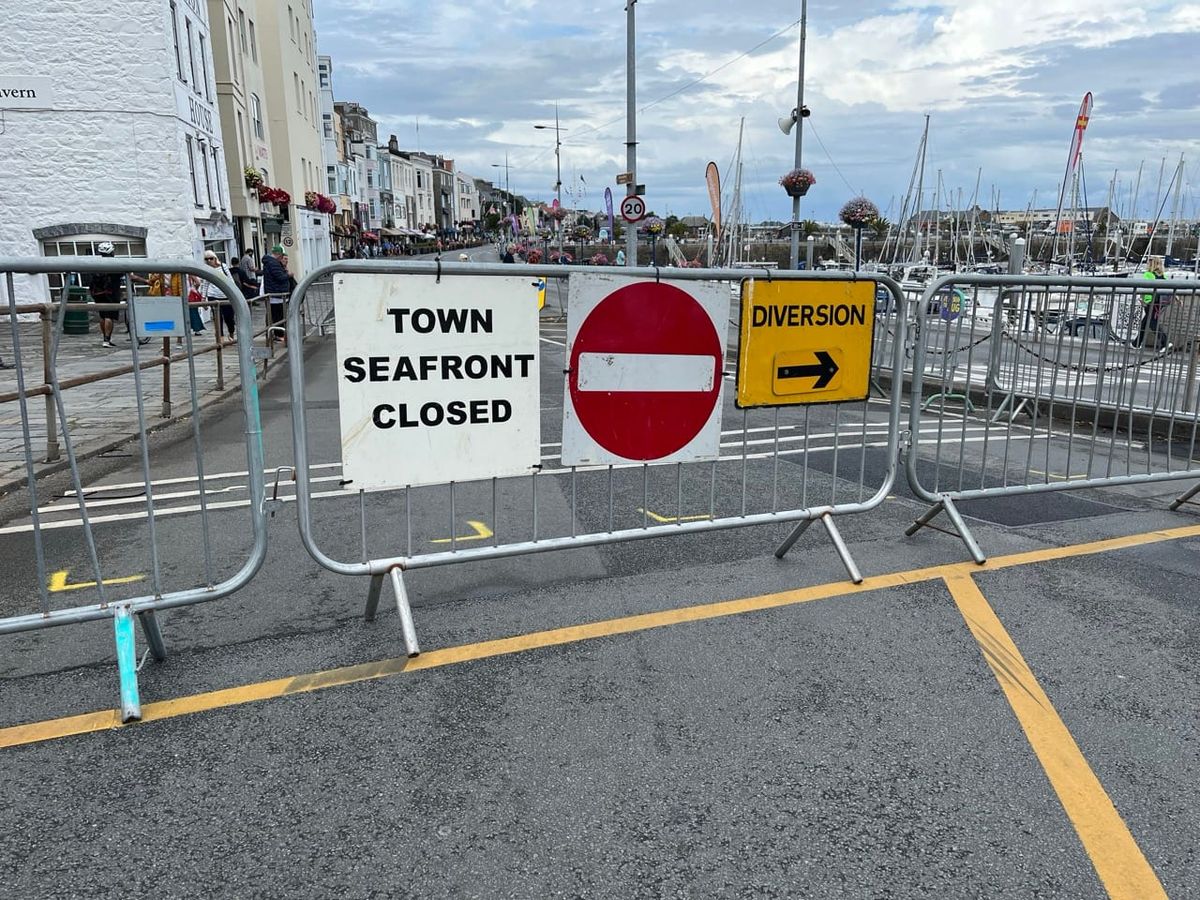
- From 14 September, applicants requiring temporary traffic management on Guernsey's public highways will pay fees covering processing, coordination, signage and checking costs
- Charges will apply to utilities, individuals, organisations and States of Guernsey work, with amounts based on duration, signage needed, location and whether bus routes are affected
- The system aims to recover costs more fairly from those who benefit, rather than from general States funding, bringing Guernsey in line with other jurisdictions
- Linking charges to duration is expected to encourage efficient planning and coordination, reducing unnecessary disruption for road users
- A new digital application system will launch alongside the charging system to simplify the process for applicants and officers
From 14 September, those requiring temporary traffic management on Guernsey's public highways will be charged fees to cover the costs of processing, coordinating, signing and checking their applications.
The new system will shift costs that are currently funded by all islanders to those who directly benefit from the traffic management measures, bringing Guernsey in line with many other jurisdictions.
Traffic & Highway Services manages thousands of temporary traffic management applications annually, including road closures, temporary traffic lights, parking suspensions, scaffolding-related applications and other works affecting the public highway.
The process involves reviewing applications, coordinating works to reduce conflicts on the road network, preparing signage plans, arranging signs and diversions, and ensuring signs remain safe and correctly positioned during works.
Whilst utilities already pay excavation charges and inspection fees where they dig in the public highway, there is currently no wider charge for the administration, coordination, signage and checking work associated with temporary traffic management applications. The new fees are intended to recover those costs more fairly, rather than leave them to be met through general States funding.
The charges will apply to utilities, who are responsible for a significant proportion of roadworks, as well as to individuals and organisations requiring temporary traffic management. This includes those in connection with scaffolding, parking suspensions or house moves. Charges will also apply for work carried out on behalf of the States of Guernsey.
The amount payable will depend on the type and scale of traffic management required. Factors will include the duration of the measures, the signage needed, whether ongoing sign checks are required, and the location of the works, including whether they affect a bus route.
By linking part of the charge to the length of time traffic management is in place, the system is expected to encourage applicants to plan works carefully, coordinate with others where possible and avoid keeping measures in place longer than necessary. This should help reduce avoidable disruption for road users, whilst ensuring the costs of providing the service are met by those using it.
Anyone who has already booked traffic management measures beyond 14 September will not need to pay the new fee for those existing bookings.
The introduction of charging will take place alongside the development of a new digital application system for temporary traffic management. This will allow applicants to submit applications online, help reduce manual processing, and make the process simpler and more consistent for applicants and officers.
Organisers of special events will continue to apply for traffic management through the existing special event process and discussions with Traffic & Highway Services.
Further information, including detailed guidance on the application process and final fee information, will be published ahead of the launch. Anyone with questions about how the changes may affect them or their organisation can email [email protected].
Mark Brockway, Senior Traffic Officer for Traffic and Highway Services, said: "Temporary traffic management is an important service that allows essential works, private works and events to take place safely on or near the public highway. However, providing that service takes officer time, coordination and physical signage work, and those costs are currently largely met by the public purse.
"The new charging system is intended to recover those costs more fairly from the applicants who require the traffic management, while also encouraging works to be planned and coordinated as efficiently as possible.
"We recognise that roadworks and road closures can be frustrating, so anything that helps improve coordination, reduce unnecessary duration and ensure signs are properly managed is also in the interests of road users. The new digital application system will support that by making the process clearer and easier to use."
Q&A
Q: When will the new charging system come into effect?
A: The new fees for temporary traffic management will be introduced from 14 September. Anyone who has already booked traffic management measures beyond this date will not need to pay the new fee for those existing bookings.
Q: Who will be required to pay the new fees?
A: The charges will apply to utilities, individuals and organisations requiring temporary traffic management, including those in connection with scaffolding, parking suspensions or house moves. Charges will also apply for work carried out on behalf of the States of Guernsey.
Q: How will the fees be calculated?
A: The amount payable will depend on the type and scale of traffic management required, including the duration of the measures, the signage needed, whether ongoing sign checks are required, and the location of the works, including whether they affect a bus route.



Comments ()