
Guernsey Ports invites expressions of interest for major waterfront redevelopment opportunities
- Guernsey Ports is offering two major waterfront redevelopment opportunities through expressions of interest
- Sites are the eastern end of the former Slaughterhouse and a former restaurant at Victoria Pier
- Both developments will use public-private partnerships retaining public ownership with long leaseholds
- The former Slaughterhouse is a protected building dating from the late 1800s with distinctive granite façade
- Expressions of interest deadline is 30th April 2026
Guernsey Ports is offering two significant redevelopment opportunities in prominent waterfront locations across St Peter Port Harbour, inviting expressions of interest through a public-private partnership model.
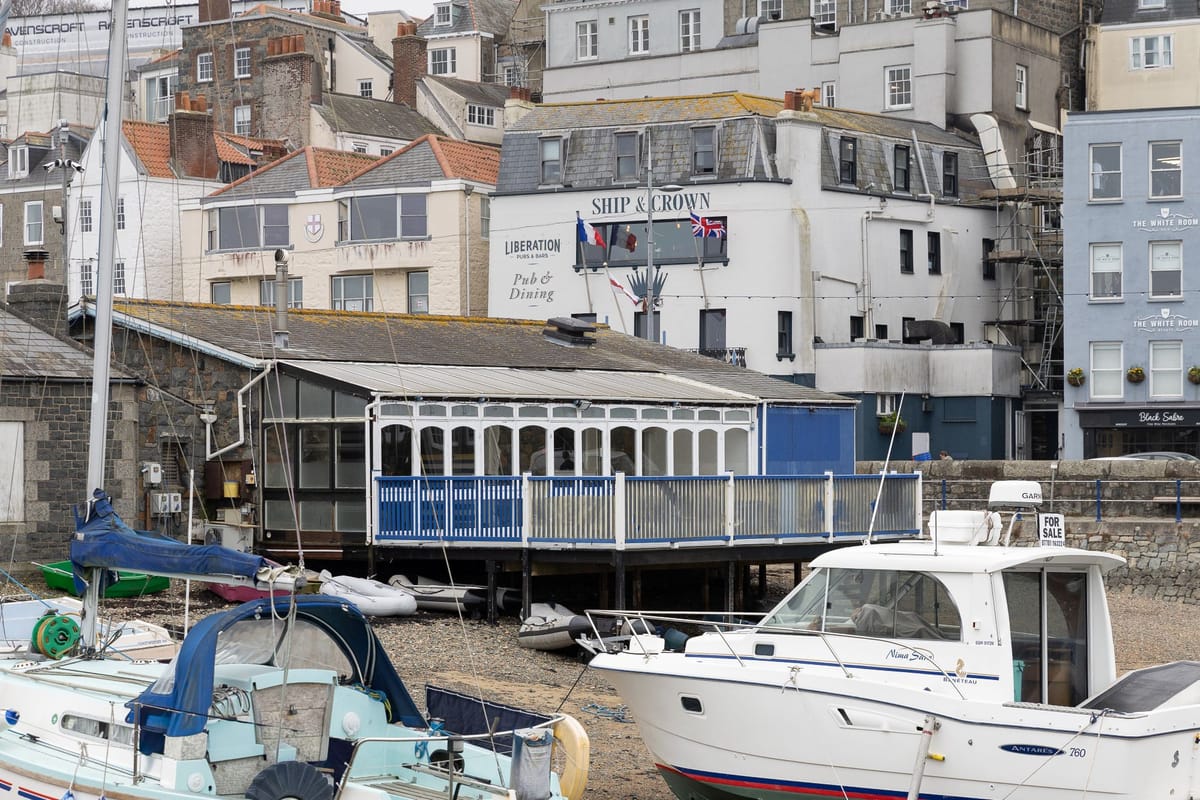
The harbour authority is seeking development proposals for the eastern end of the former Slaughterhouse site and a former restaurant at the Victoria (Crown) Pier. Both sites will be offered through long leaseholds that retain public ownership while providing security for private investment.
Guernsey Ports has appointed Savills as its property advisers to manage the expression of interest process, with a deadline of 30th April 2026 for submissions.
The former Slaughterhouse presents a rare opportunity to revitalise a landmark structure that is currently enclosed in a scaffold canopy to protect its roof. The western end of the building has operated successfully as a restaurant since 2017, while the eastern end awaits redevelopment.
The protected building dates back to the late 1800s and features an entire external façade built of shaped brown granite from Cobo, with distinctive rounded ends. Its design bears stylistic similarities to the former Fish Market in Market Square and is believed to have been designed by the same architect, John Newton.
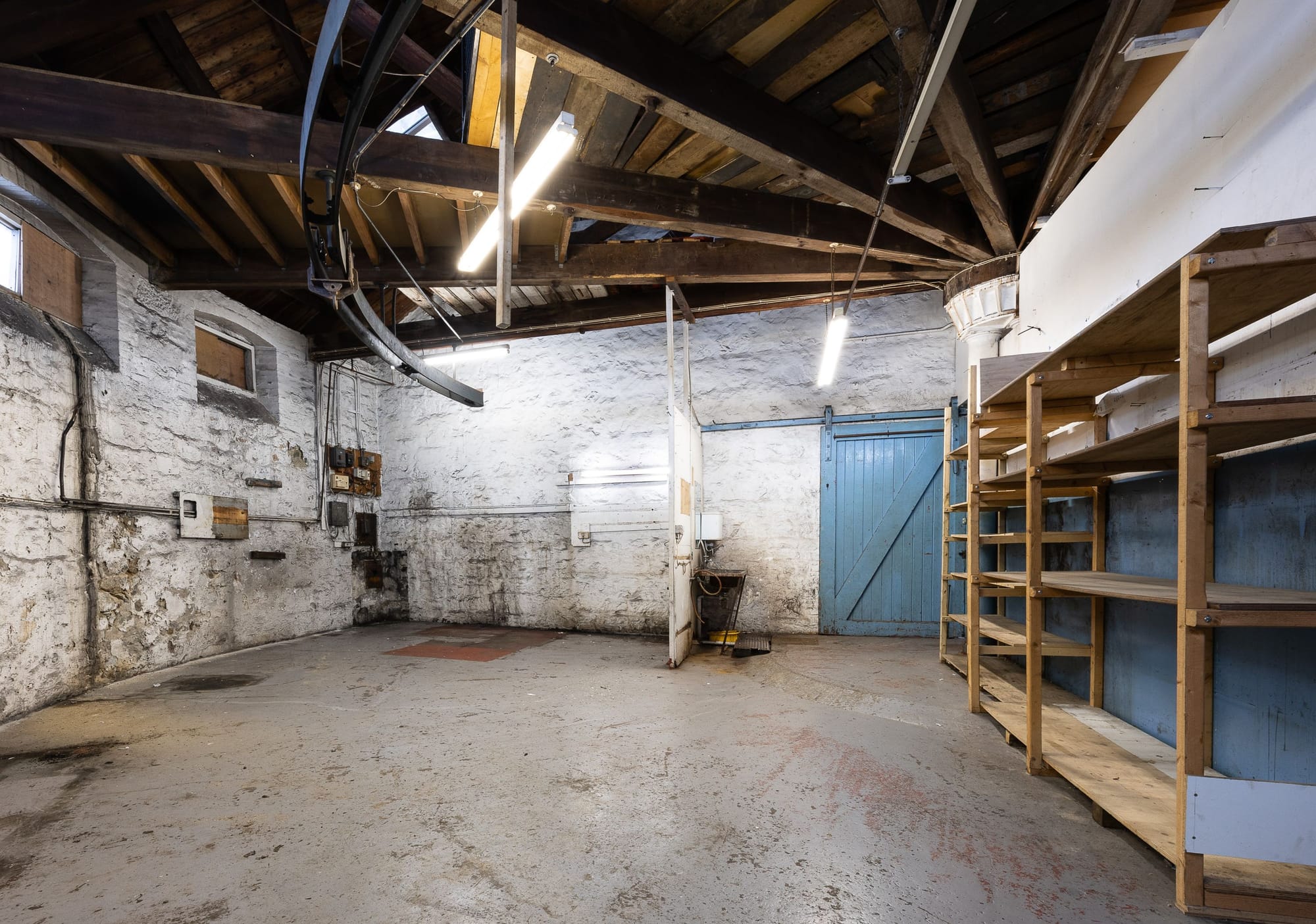
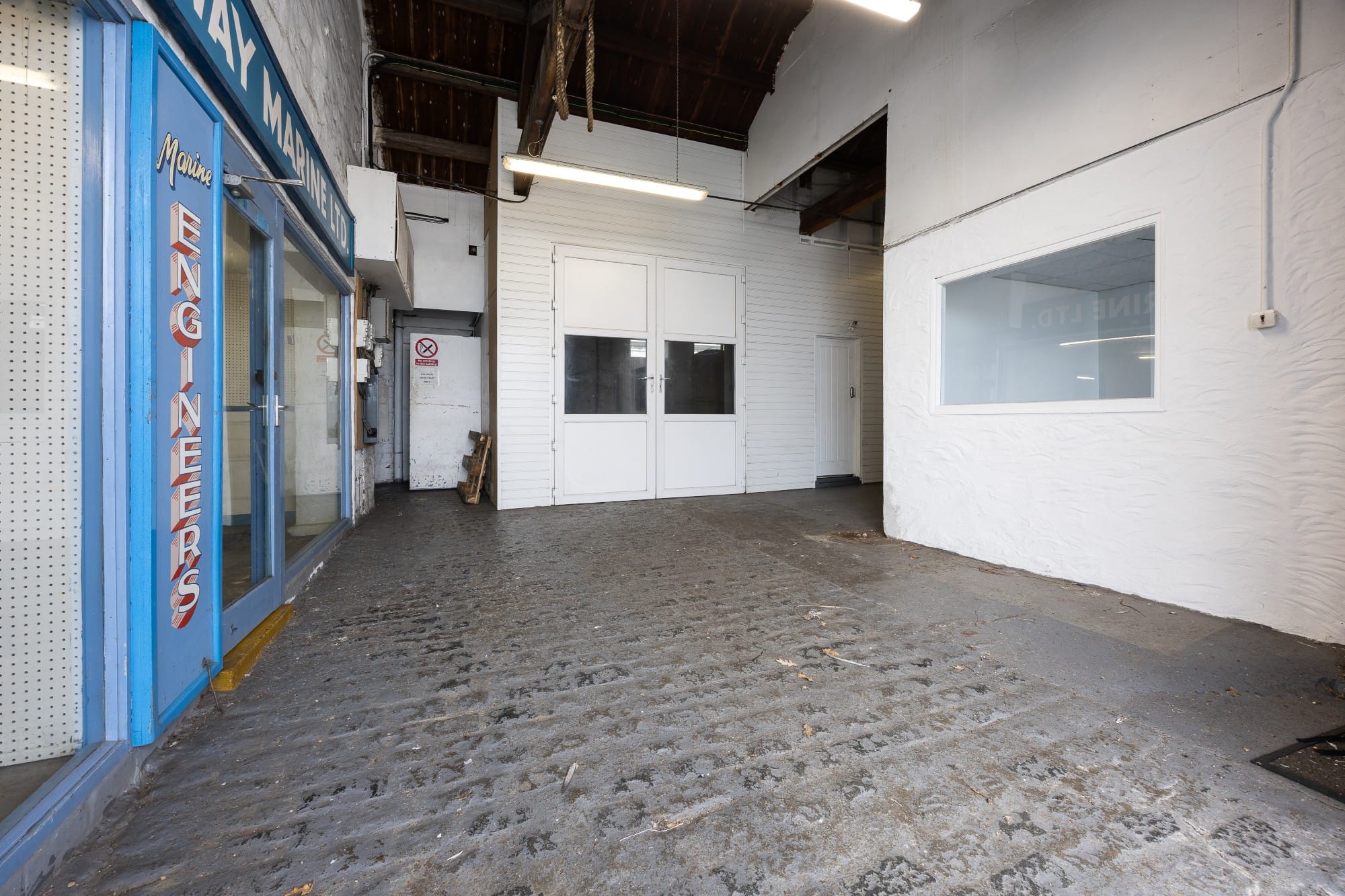
Internally, the eastern end of the complex has been subdivided for commercial use over the years but retains many original features. The space could be returned to a more open plan layout, though the roof at the eastern end requires significant remedial works.
The site remains in use, with half a dozen tenants renting storage units. Developers are asked to consider how those units could be accommodated within any redevelopment scheme, with new facilities potentially included in the development or alternative facilities provided elsewhere on the harbour estate.
The second opportunity involves the Victoria Pier premises, which was built in 1898 as an engine house for the Careening Hard slipway. In the 1990s, it housed a Tourist Information Centre before being converted into a restaurant.
With its central position, high footfall and adjacent public parking, the Victoria Pier location offers what Guernsey Ports describes as a special opportunity to create a unique venue in a highly visible waterfront location at the entrance to Victoria Pier.
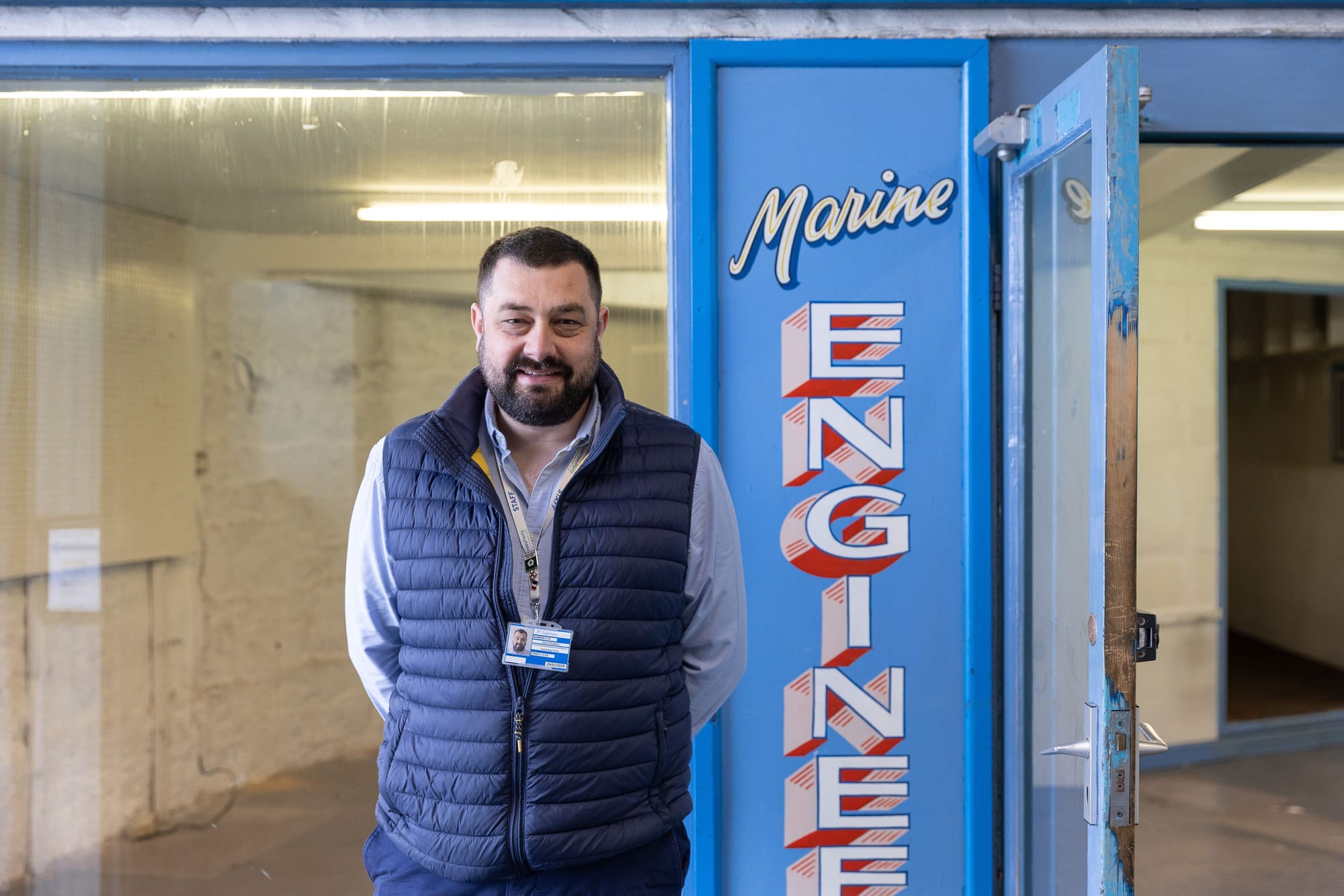
David Buddery, Guernsey Ports Commercial Development Manager, said: "These are two of the most prominent commercial premises on our estate, offering exceptional opportunities for redevelopment."
"The former Slaughterhouse is a landmark building with immense potential, while the Victoria Pier premises offers an attractive, high-profile waterfront location. Our ambition is to unlock the full potential of each site through much-needed investment and sensitive redevelopment."
Guernsey Ports is welcoming proposals from hospitality, commercial, cultural and mixed-use concepts that are financially sustainable and consider the sites' heritage and surroundings.
Q&A
Q: What type of partnership model is being used for these developments?
A: Both sites are being proposed as public-private partnerships, which would retain public ownership while providing security for private investment through long leaseholds.
Q: When is the deadline for expressions of interest?
A: The deadline for submitting an expression of interest is 30th April 2026.
Q: What types of development concepts are being sought?
A: Proposals are welcomed from hospitality, commercial, cultural and mixed-use concepts that are financially sustainable and consider the sites' heritage and surroundings.

Comments ()