
Guernsey Fire and Rescue Service under strain because of long-term under-investment, review says
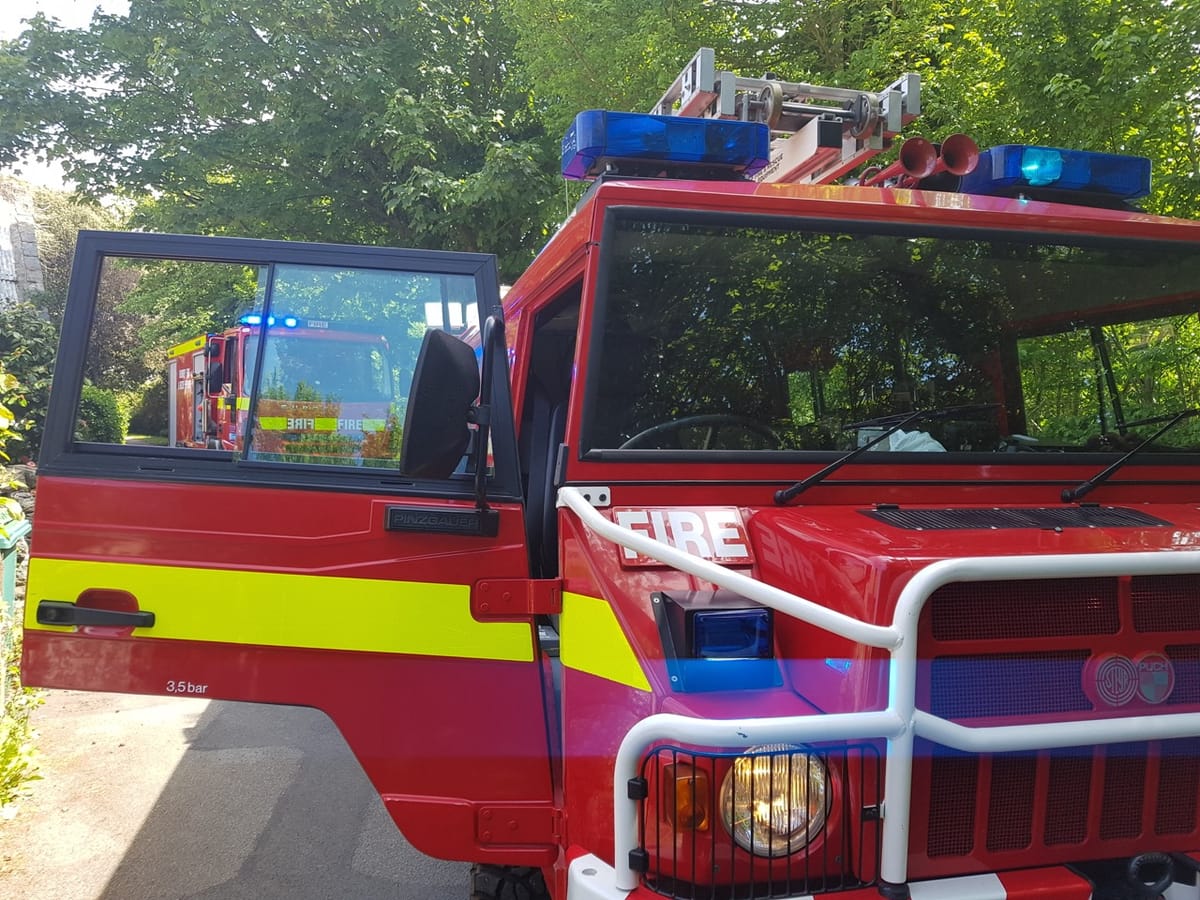
- The Local Government Association's Peer Challenge Review on Guernsey Fire and Rescue Service has been published.
- It highlights the need for strategic investment in the service.
- A comprehensive Community Risk Management Plan is recommended to improve risk management and resource allocation.
- The report calls for clearer governance arrangements between the Chief Fire Officer and the Home Affairs Committee.
- Review findings indicate that GFRS demonstrates strong culture and professionalism among its personnel.
The Local Government Association has released a Peer Challenge Review of the Guernsey Fire and Rescue Service.
It was conducted by a team of professionals from the UK, Jersey, Isle of Man, and Gibraltar between 14 and 16 October 2025.
The review identifies GFRS as a well-respected organisation with a committed workforce that excels in public service.
However, it also highlights that the service is under strain due to long-term under-investment and structural limitations.
The review's primary recommendation is for the States to commit to sustained and strategic investment in GFRS, essential for protecting lives and property and aligning with modern fire and rescue standards.
"A long and sustained period of financial austerity have eroded the ability of GFRS to address the risks it faces," states the report.
Chief Fire Officer Les Britzman welcomed the findings.
“Our teams are our greatest asset, and their commitment to public safety is second to none,” he said.
He noted the value of identifying clear focal areas for improvement while looking forward to implementing the recommendations with the support of the States.
Home Affairs President, Deputy Marc Leadbeater, said: “This report is testament to the professionalism and commitment of the Guernsey Fire & Rescue Service.”
The report underscores the urgency of implementing a Community Risk Management Plan. This plan will serve as a cornerstone document for GFRS, focusing on risk prioritisation, resource allocation, and operational decision-making. Supporting strategies for Response, Protection, Prevention, and Resilience need to be developed as part of this initiative to ensure efficient risk management.
The review also calls for clearer and more transparent governance arrangements between the Chief Fire Officer and the Home Affairs Committee. The current governance dilutes accountability and may obscure operational advice during political processes. The establishment of a Scheme of Delegation and a defined protocol outlining respective roles and responsibilities would enhance oversight and streamline decision-making.
Additionally, the modernisation of the Fire Services (Guernsey) Law 1989 is deemed important. This would align the legislative framework with contemporary operational realities, ensuring the service has the legal capacity to protect the public effectively.
The report recommends introducing a GFRS Risk Register, stronger cross-government digital and data systems, and formalised Service Level Agreements with key supportive departments like ICT and HR. A People Strategy promoting diversity, succession planning, and leadership development is also advised.
Despite the challenges, the Peer Challenge team found a positive environment at GFRS, noting the commitment displayed by staff.
"The men and women of GFRS demonstrate exceptional pride in their role and are united by a clear sense of purpose, to keep the people of Guernsey safe," the report concludes.



Comments ()