
Guernsey environmental charity revises tree planting strategy amid climate pressures
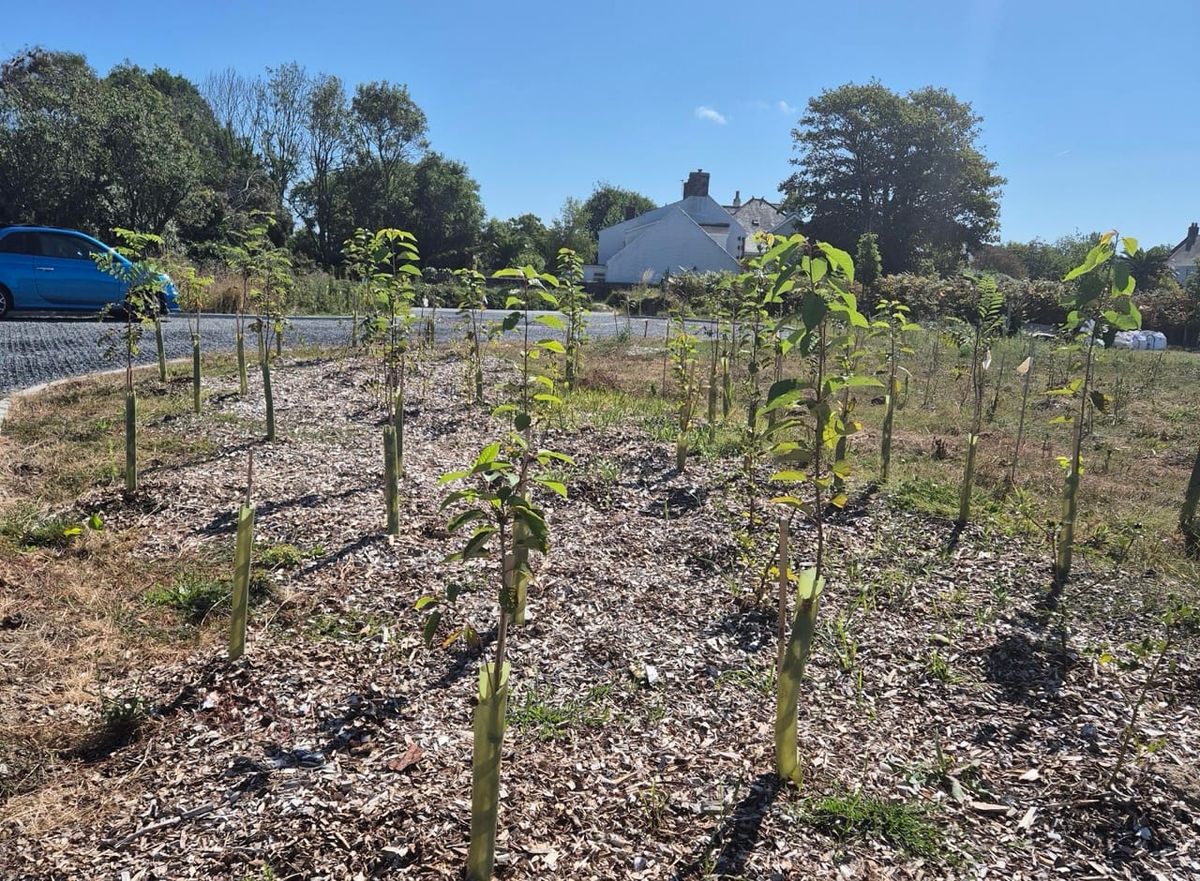
- Guernsey Trees for Life is exploring the use of "near-native" tree species alongside native varieties to improve climate resilience
- The charity has increased aftercare measures including wood chip mulching and community watering rotas due to current drought conditions
- A community watering rota in St Peter's has proved successful for recent planting at Styx
- Committee member warns climate change is affecting the island's dairy industry, fishing sector and other areas due to higher temperatures and lack of rain
- The charity plants hundreds of native trees annually across the Bailiwick working with landowners, schools and public bodies
A Guernsey environmental charity has said it is exploring new tree planting strategies as the island grapples with drought conditions and the effects of climate change.
Guernsey Trees for Life is considering introducing "near-native" species alongside its traditional focus on native trees to improve resilience against climate change and invasive threats.
Colin Dodd, committee member at GTFL, said the charity must adapt its approach in response to prolonged dry weather and heatwaves. "To address the challenges posed by drought and frequent heatwaves, local environmental groups must revise their strategies," he said.
"GTFL's current planting strategy emphasises using a diversity of native species, but we are exploring the addition of near-native species to enhance resilience in both countryside and town areas against climate change and invasive threats."
The charity has intensified its aftercare efforts for newly planted trees, including the use of wood chip mulch to retain moisture and the establishment of community watering rotas. Mr Dodd said the community rota system had proved successful this summer in St Peter's, particularly with recent planting at Styx.
He warned that climate change was already affecting multiple sectors across the island.
"The bottom line is that climate change has arrived and with that our natural environment is changing," Mr Dodd said.
"This is already affecting our heavily subsidised dairy herd, our fishing industry and there are stresses across the board as a result of higher temperatures and a lack of rain.
"It's undoubted that as we adjust to the new norm some difficult and potentially costly decisions will have to be made, which as an island unfortunately we don't have a very good record of addressing."
GTFL is a registered local charity that works with private landowners, schools, corporate bodies and the public sector to plant hundreds of native trees annually across the Bailiwick of Guernsey.
The organisation focuses on raising awareness and the protection, preservation and planting of trees and hedgerows to enhance the island's natural environment and biodiversity.
Q&A
Q: What new approach is Guernsey Trees for Life considering?
A: The charity is exploring the addition of "near-native" tree species alongside its current strategy of planting diverse native species to enhance resilience against climate change and invasive threats.
Q: What measures has GTFL introduced to help trees survive the drought?
A: The charity has increased aftercare efforts including the use of wood chip mulch to retain moisture and established community rotas to water new trees. The community rota system has worked well in St Peter's with recent planting at Styx.
Q: What sectors does Colin Dodd say are already affected by climate change in Guernsey?
A: He cited the island's heavily subsidised dairy herd and fishing industry as being affected, with stresses across the board resulting from higher temperatures and lack of rain.
Comments ()