
Guernsey answers the call to open up further on company ownership
- Guernsey will debate increasing access to company beneficial ownership records before year-end, with a policy letter going to the States
- The island plans to allow those passing a "legitimate interest" test - potentially including journalists and NGOs - access to ownership details with safeguards
- Guernsey currently restricts access to law enforcement and tax authorities
- The UK has previously pressed Guernsey, Jersey, Isle of Man and Overseas Territories to introduce full public access to ownership registers
- Policy & Resources President Lindsay de Sausmarez made the commitment during the British-Irish Council Summit hosted at Les Cotils
The States will debate increasing access to company ownership records before the end of the year.
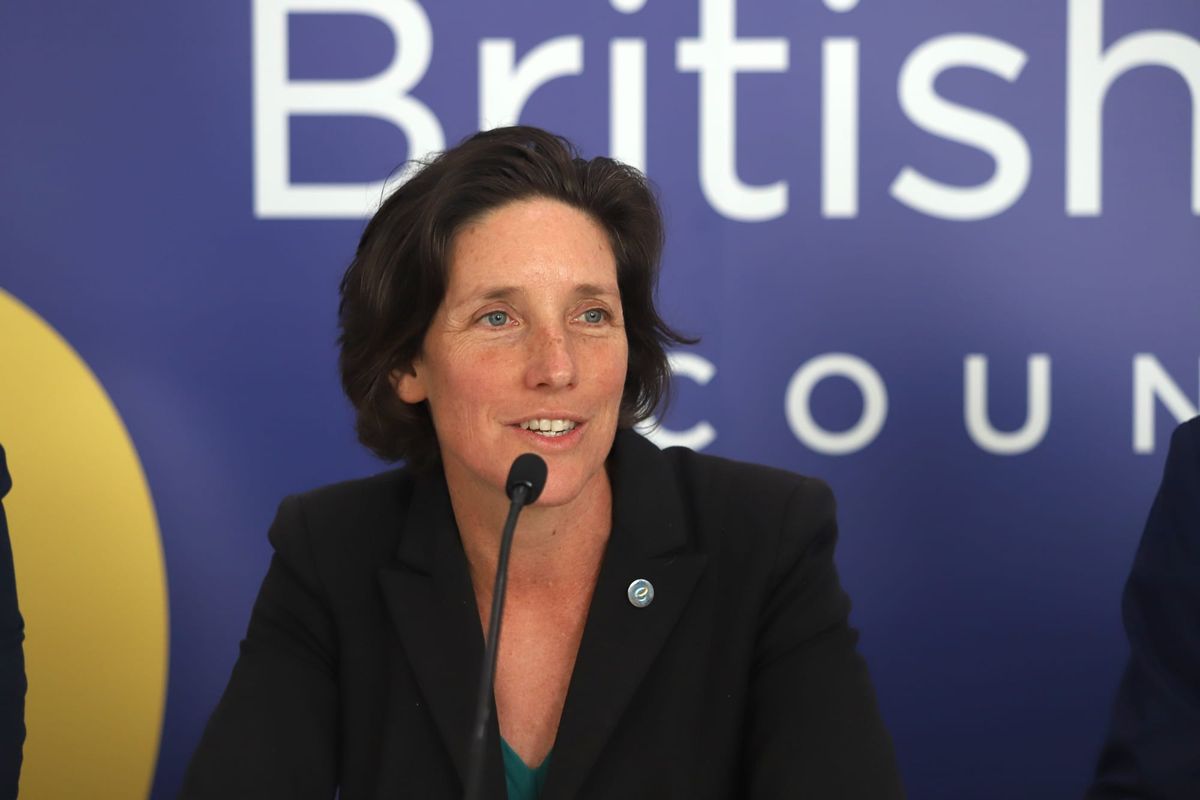
Policy & Resources President Lindsay de Sausmarez announced the commitment in talks at the British-Irish Council Summit, being hosted at Les Cotils.
A policy letter on allowing those who pass a “legitimate interest” test access to beneficial ownership details will go to the States.
The UK Government has in the past years pressed Guernsey, Jersey and the Isle of Man, as well as the Overseas Territories, to introduce full public access like it did under the Cameron administration.
Registers of beneficial ownership are seen as key in providing transparency and play an important role in the fight against corruption, tax evasion and money laundering.
Guernsey currently allows access to law enforcement and tax authorities.
The island’s position has been not to go as far as a fully open register, especially in light of EU court rulings, but has recently consulted on whether to allow access to specific groups with a legitimate interest - which could include journalists and non-governmental organisations that have a specific role in fighting financial crime.
There would be safeguards in place.
“We were pleased to be able to confirm that we are looking to bring forward a policy letter before the end of the year on that subject,” Deputy de Sausmarez said when asked about progress on beneficial ownership transparency by The Quarry during the BIC press conference.
“It's something that we've had many conversations with both with the UK Government and other Crown dependencies. We're pleased to be able to report progress on that topic.”
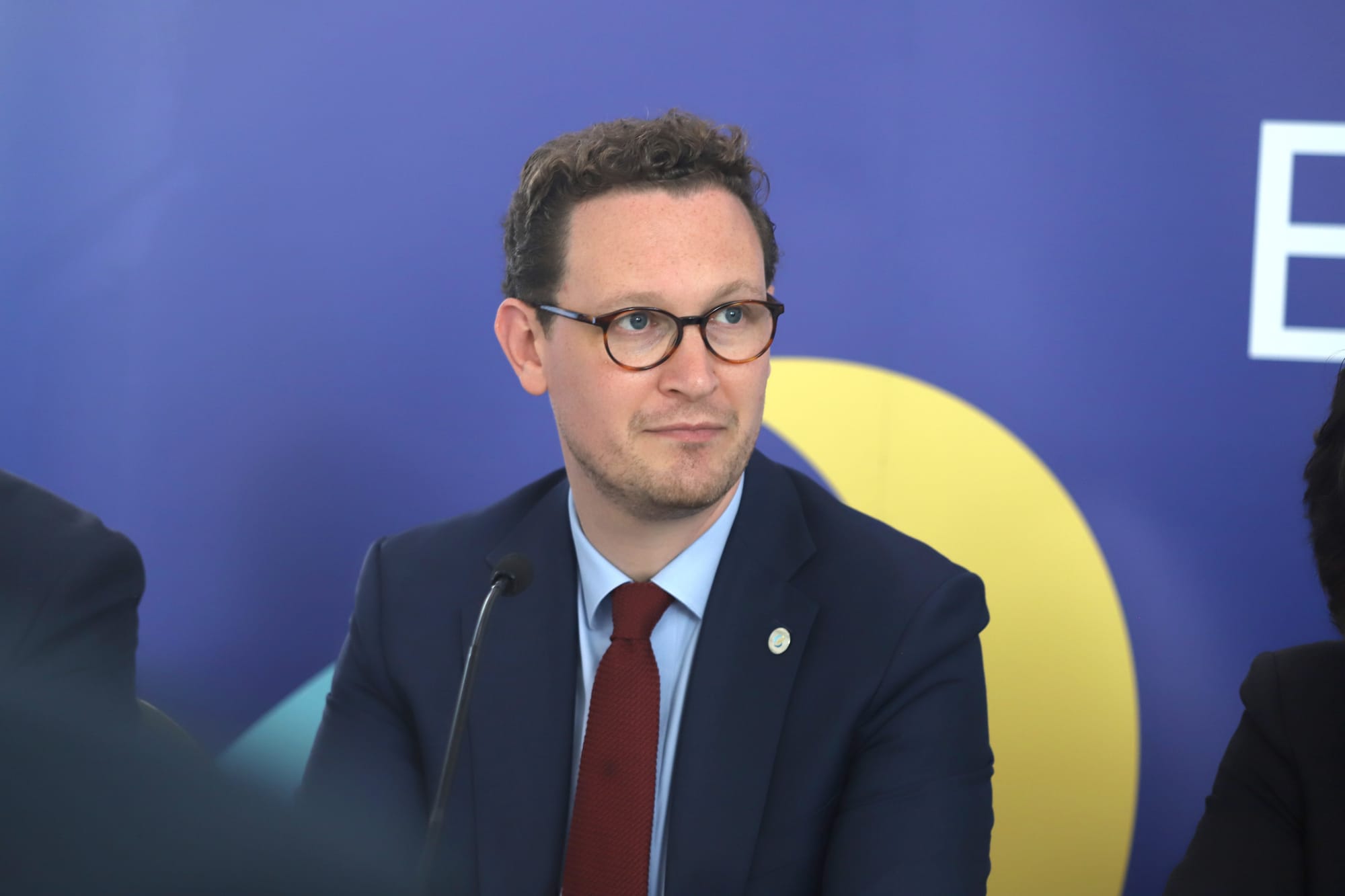
Chief Secretary to the Prime Minister Darren Jones (pictured above) said that transparency was obviously important in these situations.
“It's right that we work together to make sure that's the case, whether it's for law enforcement activity, or for general levels of compliance, and there's more that we all need to do in the UK,” he said.
“We're having to update the way in which a Companies House, for example, verifies its identity and address details when registering new companies.
“So I think all of us have a shared interest in making sure that we're not providing loopholes or easy routes for money laundering or hiding assets in a way which is in breach of the law, and the more we can do to make sure that transparency is applied in the way the public would expect, the better.”
Trust arrangements can still obscure beneficial ownership within the UK.
From November last year the UK also strengthened its regime by requiring directors and people with significant control to verify their identities with Companies House.
Speaking after the press conference, Deputy de Sausmarez said that the UK themselves recognised that there was quite a lot of work that they needed to do.
“We're absolutely clear that we all share the same objectives about making sure that we have the right mechanisms in place to guard against money laundering or terrorism financing. That is something we take really seriously as a jurisdiction.
“We can't afford not to, and it's something that our industry is really hot on. Baroness Margaret Hodge, the UK Anti-Corruption Champion, and Jake Richards MP, Parliamentary Under-Secretary of State at the Ministry of Justice, visited Guernsey at the start of June at the invitation of the island’s government to discuss its shared fight to tackle illicit finance.
“I think one of the things that's perhaps surprised Dame Margaret Hodge and Jake Richards when they came over was how serious our industry do take those risks, and how keen they are to support initiatives to ensure that that doesn't happen in this jurisdiction.”
After that meeting, Dame Margeret told The Quarry: “'I am very grateful to all of those in Guernsey who welcomed us, generously hosted us and spent time talking to us about how we can better work together to root out money laundering and fraud that costs the UK economy an estimated £350 billion a year.
“That figure is an estimate, but it is six times our total spending on defence and damages our economy, our reputation and our security.
“We had full and frank discussions and I hope this will help us develop greater transparency over beneficial ownership.
“Transparency is a vital tool in combatting money laundering and other economic crime and making progress on this matters to both Guernsey and Great Britain.” The theme of the BIC summit was nurturing beginnings, strengthening early years, and family support for healthy, happy childhoods and lifelong well-being.
Q&A
Q: What changes is Guernsey proposing for company ownership records?
A: Guernsey will debate a policy letter before year-end that would allow people who pass a 'legitimate interest' test to access beneficial ownership details. This could include journalists and NGOs with specific roles in fighting financial crime, with safeguards in place.
Q: Who currently has access to Guernsey's beneficial ownership information?
A: Guernsey currently allows access to law enforcement, competent authorities, and some entities like banks and legal firms. The island has not implemented a fully open public register like the UK did under the Cameron administration.
Q: Why are beneficial ownership registers important?
A: Registers of beneficial ownership provide transparency and play an important role in fighting corruption, tax evasion and money laundering. According to Dame Margaret Hodge, UK Anti-Corruption Champion, such crimes cost the UK economy an estimated £350 billion annually—six times total defence spending.



Comments ()