
DPA committee overturns staff decision on German bunker to open up a route to development
- The Development & Planning Authority has redesignated a WWII structure as a Protected Building.
- The decision was made unanimously during a recent Committee meeting.
- This change provides the owner with more flexibility “while safeguarding the site's heritage”.
- The DPA is reviewing the current practices for ad hoc listings of buildings and monuments.
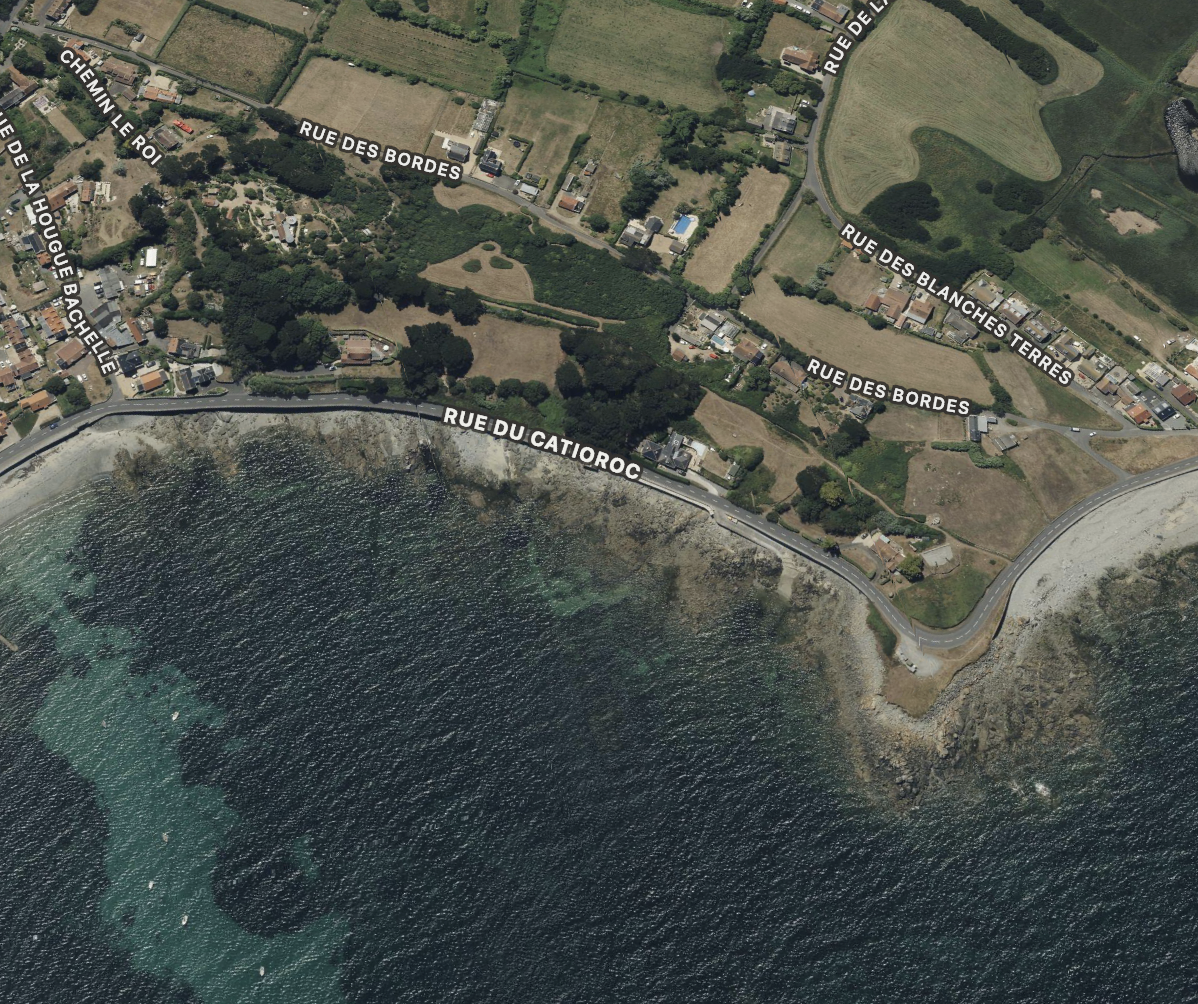
Politicians on the Development & Planning Authority have voted unanimously to redesignate a Second World War bunker at Rue du Catioroc in St Saviour.
It was given Protected Monument status at the start of this year after a planning application for a residential development was made, this was then turned down.
The structure will now be moved on to the Protected Building register, which has less stringent, but still strict, rules about development.
The redesignation is part of a broader evaluation being undertaken by the DPA to determine the appropriateness of the current process for ad hoc listing of buildings and monuments.
Under the existing approach, properties are either added to or removed from the Protected Buildings list based on planning applications or when they are placed onto the market.
This method originated following criticism in 2012, when the then Environment Department was admonished for lacking adequate procedures to protect buildings of significant interest at risk of development.
DPA officials have now been directed to present all future ad-hoc listings for political approval.
Deputy Neil Inder, President of the DPA, said: “I can understand people’s frustrations with this. You buy an old house, you want to restore it, so you do all the right things and submit a planning application, and then seemingly out of nowhere, it’s listed.”
He added that while the past rationale for these practices may have been sound, they no longer seem equitable.
The DPA is committed to exploring potential changes to the system, though Inder cautioned, “We can’t promise it’ll be easy, but we have to explore it. We can’t be punishing the very people who are trying to improve our heritage buildings.”
The Catioroc site comprises a World War Two concrete bunker overlooking the coast road at Perelle.
The existing bunker was believed to have been constructed around 1944 by the occupying German forces.
It is one of only two known examples of its type across the entire Atlantic Wall.
A planning application was submitted to convert the bunker to a dwelling and change the use of a section of agricultural land to domestic garden.
It included removing the internal concrete walls between the entrance room and the smaller personnel room, and opening up the western side of the bunker entirely to allow for a side extension.
It also required an extension which under planning rules that apply for this site should be modest, but in this case forms the majority of the kitchen/dining/living accommodation for the unit.


Comments ()