
Weed killing robots using lasers could wipe out the pesticide industry.
Those are not words you get to start an article with every day. But they make you think, what does the future hold?
It need not all be doom when it comes to discussions about climate and nature.
As the Channel Island Sustainable Business Conference heard, that can stifle action.
It is time to inject the boom.
It is early days, especially when it comes to an acknowledgement and understanding that nature needs to be included in investment decisions being taken around boardroom tables and how that materialises.
But just as 30 years ago climate was not on the agenda, nature is coming.
One step ahead, but could green bonds be the next area to compete in?
Guernsey is arguably already ahead of the game when it comes to the nascent green finance market.
Certainly when compared to Jersey the steps made are notable, with TISE, the Guernsey Green Fund and the Natural Capital Fund showing that the island is the one of the places to come to when investing in this space.
But it is losing out in other areas, noticeably green bonds, where with some bold action, even working together with Jersey and the Isle of Man, it has the opportunity to make further strides.
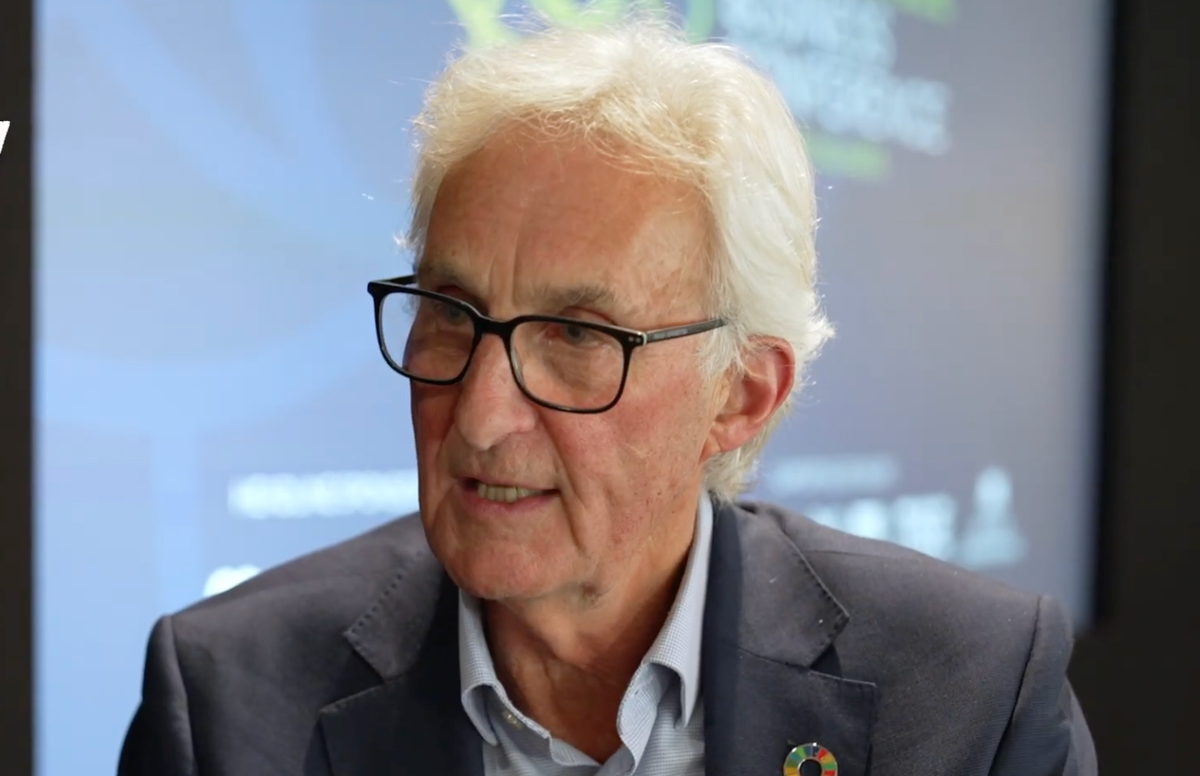
It remains early days, but Andrew Mitchell, who provides strategic advice on natural capital to the finance sector and is the founder of the Taskforce on Nature-related Financial Disclosures, believes these are areas that are only going to get bigger over time.
“What I think we're not doing enough of to compete well is providing fiscal incentives for people to come here,” he said.
“On TISE, we get a lot of corporate bonds, but the green bonds aren't coming here. They're mostly going over to Luxembourg. Why? Luxembourg can give you grants of hundreds of thousands of euros to help set up your fund there, which you can pay back once the fund is successful.
“They introduce you to a whole ecosystem of lawyers, accountants and people who have the skills needed to set up your fund, and crucially, they offer access to soft money because they have development banks.
“We don't have a development bank in Guernsey, Jersey or the Isle of Man. Maybe that's something we should think of.
"We should think of fiscal incentives, explaining the ecosystem of expertise we have more effectively and possibly providing access to soft money. All of that will bring sustainable finance here, because it's still niche and people need a bit of de-risking.”
How the finance industry could help the energy transition in the islands
One of the issues with the finance industry was its image, said Mitchell.
“People who look enviously at the finance sector say, ‘they're bringing all our problems, they're raising our cost of living, they're raising the cost of housing, and they're spending all the money on themselves - it’s not trickling out.’
“It is trickling out, it’s a massive source of wealth for both islands, but I don't think we do a very good job explaining that, and I think the finance industry needs to step up and work more collaboratively together to do systemic things to change.”
One example he gave was the carbon transition plan in Jersey which had a bill of £230m.
Currently there was about £30m. earmarked to pay for it.
“There's a £200 million financing gap. Well, the finance industry ought to be getting together and thinking, ‘well, how do we turn that into a social bond of some kind?' Because that's not a very big bond for the finance industry. ‘Could we try and work together to help the island?’ and then suddenly you get a reputation for doing something really wonderful for the island.
“Education is another really important thing. Young people today looking to enter the finance industry, we need to have much better training for them, tertiary education for them, so like a mini University of the finance industry, so we're really training people to work in the island, off island, that would be a great thing for the finance industry to collaborate on and get together and make happen.”
Reimagining food production
While those around boardroom tables should be well versed in climate issues, and you can see whole industries which have blossomed because of that from electric cars to energy, when it comes to nature discussions are more muted.
People can’t see what is going to come, so they don’t invest in it.
But, as Michell highlighted, new opportunities are emerging, one of them renewable food.
This is a reimagining of our global food system, that is already happening with the emergence of food production inside vertical farming units.
‘Dyson, for instance, has got 14 hectares of stuff under glass, which is growing strawberries for city markets, all plucked by robots, all using solar energy, water, totally recycled, no disease, no need for pesticides. It can't get in. It's amazing.
“There are things like this precision fermentation, where you can fill it full of a mushroom broth, you can make hamburgers or cosmetics out of it.
“These are going to be big challenges to our industrialised food system, and we need to be very aware of this.
“We're going to see big changes happening to the pesticides and synthetic chemicals industries and the machines that are designed to put all those sprays over our land, they're going to be disrupted by weed killing robots that kill weeds with lasers and don't need pesticides anymore. Just imagine that deploying worldwide. Goodbye pesticide industry and herbicide industry.
“Very disruptive, very exciting, new things to invest in. That's what we need to keep our eye on.”
Do we know if proceeds from environmental crimes are being laundered through the islands?
Environmental crime is worth billions of dollars.
Illegal, unregulated, unreported fishing, for instance, is the biggest cause of fraud after drugs.
“We're talking about huge factory ships or massive trawlers that sneak in to protected areas and sneak out again.
“They turn off their satellite coding, but we can watch them now from space. You can see with Lidar and radar and satellites where they're going, but that's a massive cause of fraud.
“Now, 68% of the vessels that are involved in that are registered from just two offshore jurisdictions or international finance centres. One is Panama, and the other is Belize. Any of them in Guernsey? Do you know? How about Jersey? None yet. One in the Isle of Man. So we as jurisdictions get caught up in this environmental crime business.”
The money can get laundered into property, he said, and then after selling the property on the perpetrators come knocking at the islands doors.
“We don't have really good KYC, know your client, on the environment because we always do due diligence on crime. Well, guess what? Most people in environmental crime never get convicted. They may go to court. They’re very rarely convicted. They don't show up.
“And so I think we need to be much more sophisticated on that in the future.”
Comments ()