
Asian hornet spring trapping programme launches for eighth year
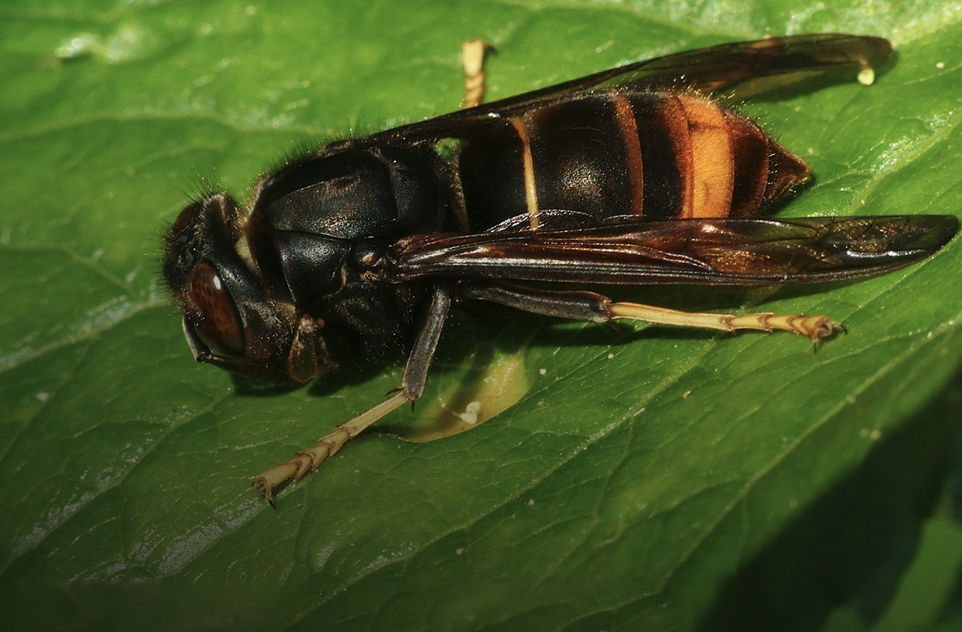
- Guernsey's Asian hornet spring trapping programme has launched for its eighth year with 260 traps distributed island-wide
- Two queen hornets have already been found this season, representing the earliest sightings on record
- Volunteers position traps at 500-metre intervals to catch queens as they emerge from hibernation
- Since 2017, 157 queens have been captured and 62 nests destroyed across the island
- Residents are urged to report sightings to prevent establishment of new colonies
An island-wide programme to trap Asian hornet queens has been relaunched for its eighth consecutive year, with almost 260 traps distributed across Guernsey.
The traps have been delivered to a network of volunteers positioned at roughly 500-metre intervals across the island. They are designed to attract and capture queen Asian hornets as they emerge from hibernation and forage for nectar.
After hibernation, queen hornets travel up to one kilometre whilst foraging for nectar sources and building up energy reserves before beginning nest construction.
Two queen hornets have already been discovered this season. One was caught in a trap on Herm, whilst a second was spotted by a member of the public at Le Grande Pre Nature reserve.
This year's captures represent the earliest recorded sightings, making 2026 a particularly critical year for the programme.
Residents are being urged to remain vigilant and report any Asian hornet sightings. During this period, the insects often find their way into houses, and the public is reminded to prevent them from being released back into the wild.
All sightings should be reported to the Asian Hornet Team by calling or sending a WhatsApp message to 07839 197082, or by emailing asianhornet@gov.gg with a photograph where possible.
Julia Henney, Senior Natural Environment Officer, said: "We would like to extend a huge thank you to all the volunteers across the island who have once again offered their support with the Spring Queening programme. This is our first line of defence to prevent Asian hornets establishing and it is only possible with their support. This year is set to be a particularly critical year for this programme, with queen hornets having been caught earlier than any other year."
The first Asian hornet was recorded in Guernsey in March 2017. Since then, 157 queens have been captured and 62 nests destroyed.
Large nests can house up to 2,000 hornets, presenting both a public safety risk and causing significant harm to native insect populations and honeybees.
Whilst an individual Asian hornet sting is not considered significantly worse than that of a bee or wasp, the hornets are highly defensive and will aggressively protect their nests if disturbed.
The Asian Hornet Strategy is an ongoing initiative endorsed by the Committee for the Environment & Infrastructure in 2018 and implemented by Agriculture, Countryside & Land Management Services.
Q&A
Q: How should I report an Asian hornet sighting?
A: Contact the Asian Hornet Team by calling or WhatsApp 07839 197082, or email asianhornet@gov.gg with a photo if possible. Do not release the hornet back into the wild if found indoors.
Q: How many Asian hornets have been dealt with since 2017?
A: Since the first sighting in March 2017, 157 queens have been captured and 62 nests have been destroyed across Guernsey.
Q: Why is early detection of Asian hornet queens important?
A: Queens emerge from hibernation to forage before nest building. Catching them early prevents establishment of new colonies, which can contain up to 2,000 hornets and harm native insects and honeybees.

Comments ()